





I’ll be blunt: $1,500 is a lot of money to spend on the Razr Ultra, a clamshell phone that folds in half. In fact, it’s a lot of money to spend on any smartphone, especially when a Galaxy S26 Ultra or iPhone 17 Pro Max costs less and still leaves a few hundred dollars in your pocket, or throwing in a couple of hundred bucks can get you a full-fledged book-style foldable.
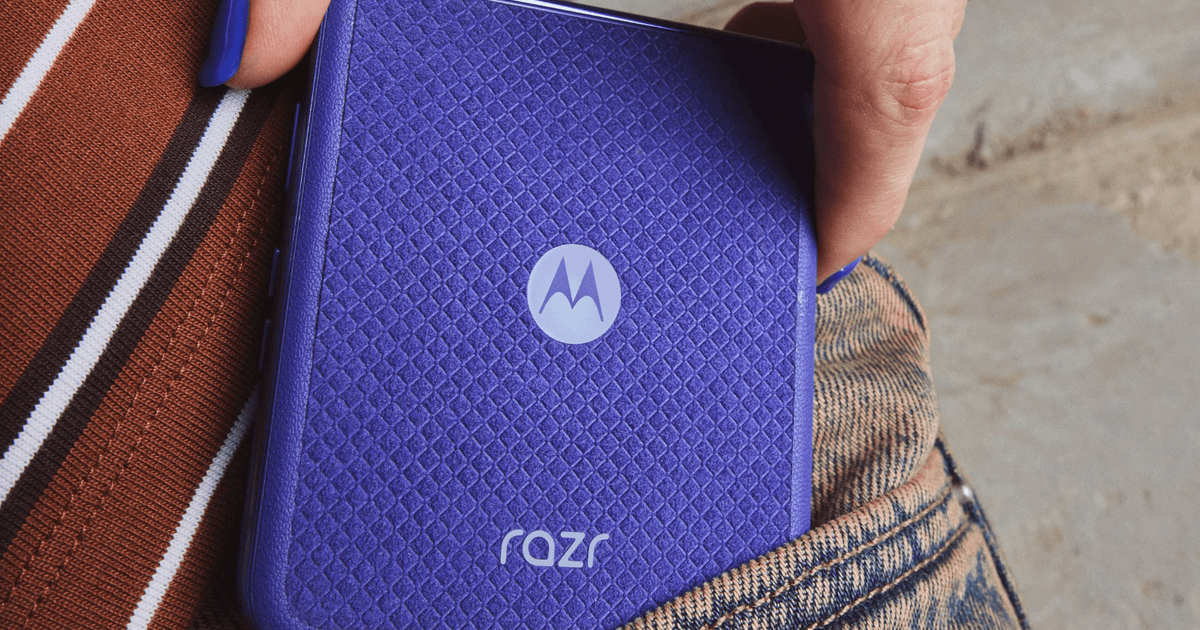
For me, the Razr Ultra doesn’t quite make a strong case at $1,500. In isolation, it’s a genuinely impressive flip phone that gets all the basics right and delivers the premium experience you’d expect at this price. The Alcantara back, the 5,000-nit display, the silicon-carbon battery, and the dual cameras on the back make it sound like a complete package.
However, it’s when I look at the price tag and what that kind of money can get me elsewhere that something feels off. I know Motorola attributes the $200 price hike to surging memory and component costs, and that’s a real industry-wide problem. But increasing the price while barely upgrading the hardware, to $1,500, no less, is exactly the kind of move that makes you stop and ask what else you could get for the same money.
The clamshell foldable was never about specs, and that’s the problem at $1,500
Here’s the thing about flip phones: they were never about top-tier specifications. The appeal of a clamshell foldable, by design, is the satisfying snap of the hinge, folding a normal-looking phone in half, slipping it into your pocket, and watching heads turn when you flip it open at a coffee shop or a family dinner. It’s the tactile feeling and the wow factor.

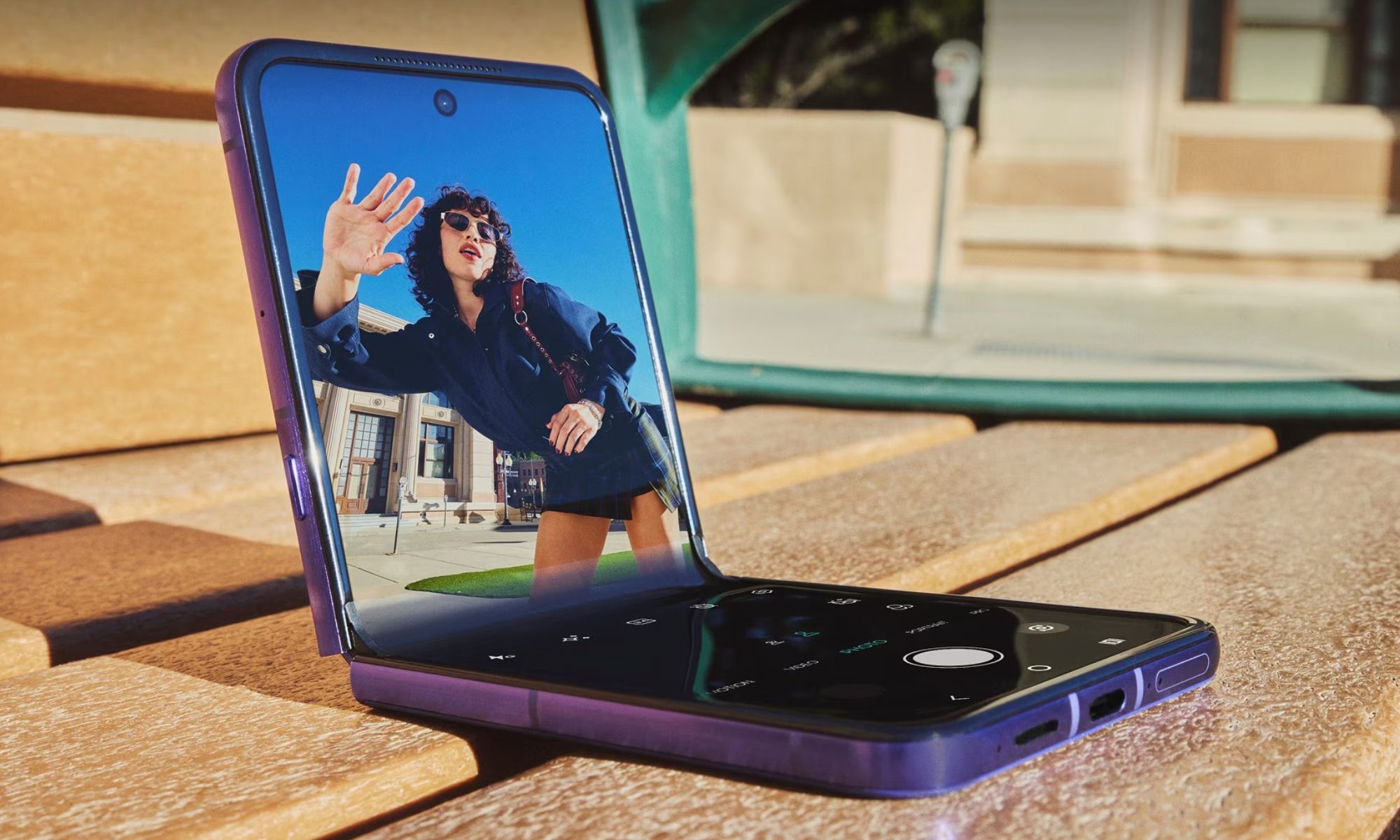
I’d never buy a flip phone expecting it to set a new high score on synthetic benchmarks or grind through a three-hour gaming session. But that’s where the $1,500 price tag creates a problem; it breaks the years-long rule of “the higher the price, the better the specifications.”
The Razr Ultra’s primary differentiator has always been its form factor and Motorola’s passionate approach to materials and design, not the chipset. At $1,500, the price is writing checks that the spec sheet can’t cash. And even when you do look at the specs, the Razr Ultra 2026 is tough to justify.
You’re paying a revised price for a barely revised spec sheet
Whenever there’s a new phone on the market, I first compare its spec sheet to its immediate predecessor, and then to its immediate rivals. While differences within the brand aren’t much, often enough to justify a yearly upgrade, the Razr Ultra 2026 isn’t even trying.
The Razr Ultra 2026 is basically the Razr Ultra 2025 with a slightly larger battery (4,700 mAh vs. 5,000 mAh), new color options (Orient Blue Alcantara, Cocoa wood veneer), and Gorilla Glass Ceramic 3 protection on the cover screen. That’s the entire change log on a smartphone that costs $200 more than its predecessor.

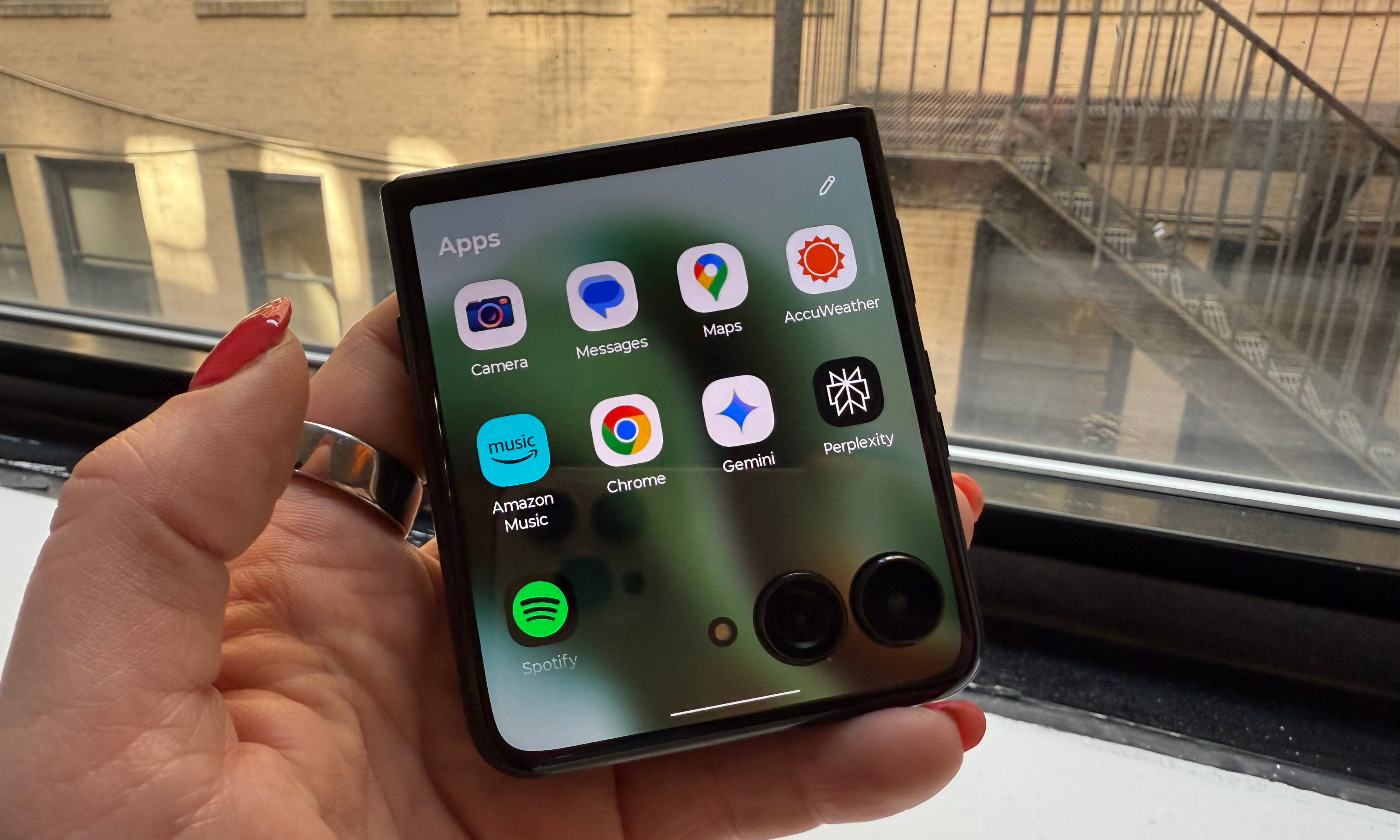
Everything else, including the 4-inch cover screen, the 7-inch main foldable screen, the Snapdragon 8 Elite chipset, memory and storage configuration (16GB + 512GB), and cameras (triple 50MP sensors), is carried over from the 2025 model.
What makes this even harder to stomach is that the Razr Ultra 2025 is currently up for grabs at Motorola’s website for $799.99, for the 1TB variant, with a free pair of Moto Buds 2 Plus. It could be a limited-time deal before the stock runs out, but selling the same chip, same display, with twice the storage for nearly half the price is simply absurd.
It could be the difference in the price of last year’s components and this year’s that has led to this, but for me, this makes the Razr Ultra 2026 a head-scratcher at $1500.
If you really want a flip phone, I’d recommend these two options
If you want a Motorola flip phone, the Razr+ 2026 at $1,099 is where I’d point most buyers first. It costs $400 less than the Ultra, and delivers the same core clamshell experience with the titanium hinge, 4-inch cover screen, an IP48 rating, and clean Hello UI based on Android 16.

The Snapdragon 8s Gen 3 handles everything most flip phone buyers actually do, but more importantly, it folds the same satisfying way the $1,500 Razr Ultra does. Do you leave anything on the table? Yes. A brighter display, a more benchmark-friendly chipset, and the Alcantara finish. But none of that changes the fact that it folds in half just as well.
If you’re open to crossing the aisle, the Samsung Galaxy Z Flip 7 is available at a discounted price of $899.99 for the 256GB variant or $1,099.99 for the 512GB model. You might argue that its Exynos 2500 chip isn’t as powerful as the Snapdragon 8 Elite, and you’d be right, but the phone delivers a capable, smooth daily experience with no major drawbacks.

You’ll get another six years of software upgrades, the Galaxy AI suite, and the One UI’s feature-loaded ecosystem. I’d say that the Flip 7 is much more pocket-friendly, both literally (it’s thinner than the Razr+) and figuratively.
Ultimately, you’re paying for the joy of folding a normal-looking phone in half, and you can get around $1,000.
At $1,500, you can get a phone that unfolds into a tablet
I want to ask you something: what if, instead of spending $1,500 on a flip phone, you put a few hundred dollars more toward a book-style foldable that essentially puts a tablet in your pocket?
That’s the Galaxy Z Fold 7, Samsung’s most refined book-style foldable to date. Right now, it’s available for $1,599 for the base 256GB variant, $400 off its launch price, which makes it one of the better deals in the foldable space right now. I’ve used the Fold 7, and it’s the practical versatility behind the folding mechanism that earns its price, even when it retails close to $2,000.


And before you raise an eyebrow, I want to be clear: this isn’t a spec argument. The premium goes toward the versatility the form factor offers. The ability to use the cover screen like a regular phone — answering calls, dropping quick messages, checking navigation — and then unfolding into a tablet-like screen for watching content or running multiple apps at once, is something no flip phone has ever done, nor ever will.

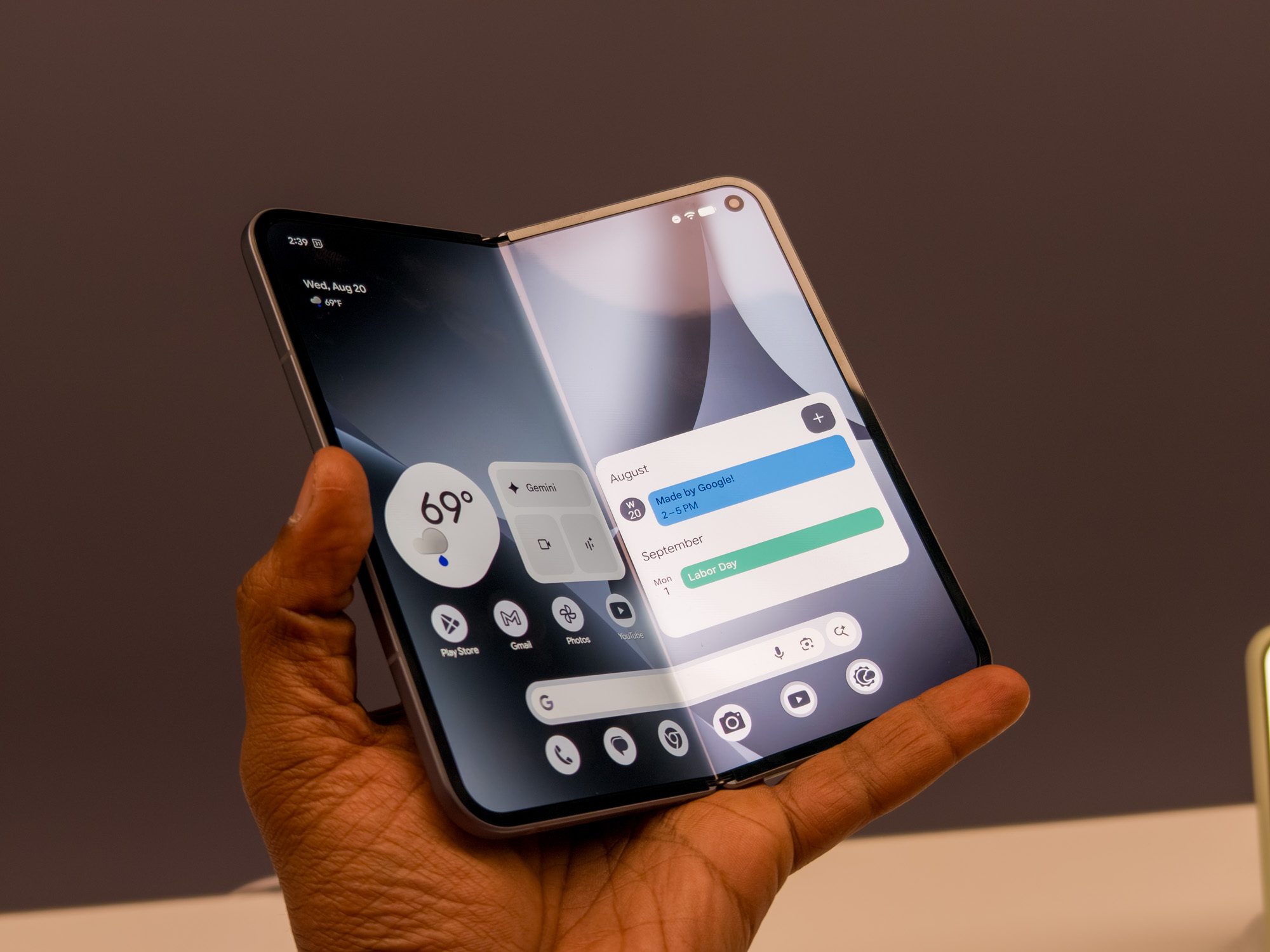
If you can’t compromise on the clean Android experience, the Pixel 10 Pro Fold is worth a look at $1,799 (unlocked, 256GB) at the Google Store, or $1,699 at Best Buy, if you’re willing to connect it to Verizon or AT&T. For the price, you get Google’s iconic camera science, a deeper Gemini AI integration, and software support until 2032, all with an 8-inch foldable screen.
Fold-style phones are the current epitome of smartphone technology, and the fact that you can get them around the same price or by stretching your budget by a few hundred dollars undersells the $1,500 Razr Ultra even more.
For $1,500, you can choose from the best flagships available in the market
If you’re even a little hesitant about spending a fortune on a flip-style foldable, or the book-style kind doesn’t excite you either, maybe you’re second-guessing your usage habits, or whether a foldable would hold up to them in the long run. Either way, $1,500 can buy you the absolute best flagship.

The iPhone 17 Pro Max (256GB) at $1,199 (which is $300 less) is the gold standard for anyone living inside Apple’s ecosystem. Top-tier performance for heavy workloads, ProRes Log and 4K 120fps video, an excellent 4x telephoto for portraits, a battery that easily clears a full day, and Continuity features across iOS, macOS, and iPadOS that genuinely make the whole greater than the sum of its parts.
It’s the best iPhone Apple has ever made, and it shows.


The Galaxy S26 Ultra at $1,299 (which is $200 less) is Samsung’s most feature-loaded flagship in 2026, headlined by the Privacy Display, the fastest Qualcomm chip on the market, and an ever-expanding Galaxy AI suite. It also sports one of the most versatile camera arrays on any smartphone, with four rear sensors, and comes with a built-in S Pen.
For Android power users, this is the one to beat. I just checked, and Samsung is offering a $200 discount on the launch price. The 256GB variant is available for $1,099.99.


The Pixel 10 Pro XL at $1,199 (which is $300 less) is Google’s answer to what a smartphone can do when the hardware and software are built by the same team. The cameras are legendary for natural, true-to-life photography, while Gemini-powered editing adds a genuine element of fun.
Clean Android, excellent battery life, and long-term software support round out a package that’s hard to argue with.


And then there’s the OnePlus 15 at $899 (which is $600 less than the Razr Ultra), which, in my honest opinion, has no business being this good at this price. It outlasts every flagship on this list with a two-day battery, delivers unparalleled gaming performance with 165fps support for compatible titles, and runs OxygenOS loaded with features that actually get out of your way.
The OnePlus 15 is the most capable value flagship in the United States right now.
None of these smartphones folds, vertically or horizontally, but every single one offers the best of what a smartphone from the respective brands is in 2026.
So, should you spend $1,500 on the Razr Ultra?
If the flip form factor is non-negotiable, you go caseless, spend meaningful time outdoors, and shoot a lot of video content, the Razr Ultra earns its place. Price tag aside, it’s a genuinely impressive phone for a very specific kind of buyer.
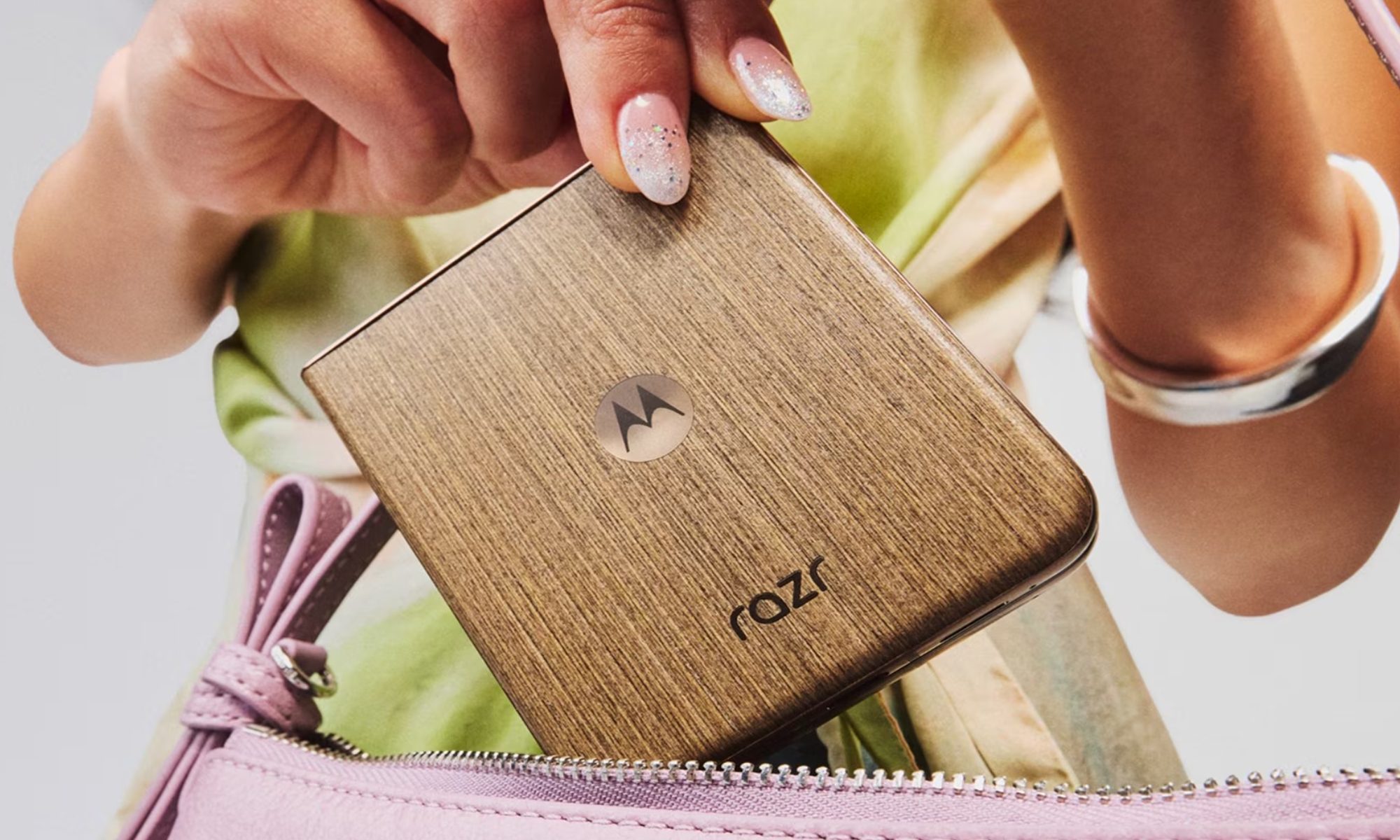
However, if you only want to experience the clamshell form factor and you’re getting a flip phone for the joy of flipping it open in front of friends, colleagues, and family members, save some money and go with the Razr+ 2026 or the Samsung Galaxy Z Flip 7.
The book-style foldables unlock a totally different use case, one that’s difficult to fully appreciate until you try it for yourself, but they’ll ask you to stretch the budget a bit further. And if you’re hesitant about spending a fortune on a technology you haven’t tried before, the slab-style flagships are where you simply can’t go wrong.
