




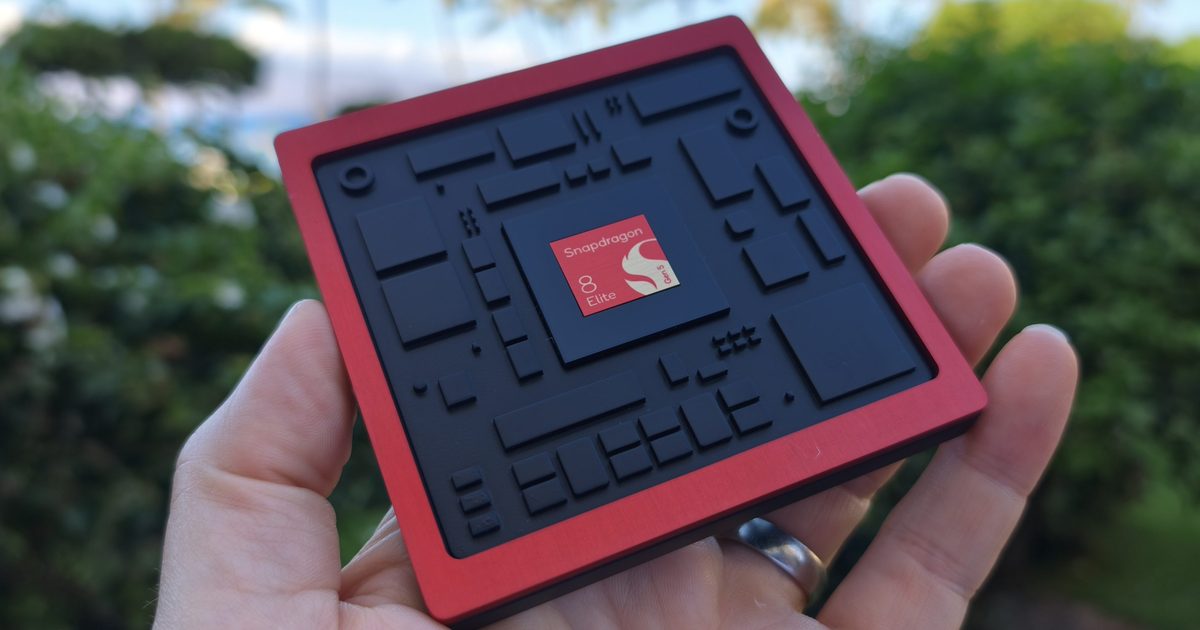


We have reached the point where the processor inside a flagship phone may cost as much as an entire budget Android phone. That sounds absurd, but it also feels exactly like where premium phones are headed. Samsung already raised the Galaxy S26’s starting price by $100 over the Galaxy S25, and the next wave of Android flagships could climb even higher.
According to a new leak from tipster Abhishek Yadav, Qualcomm’s upcoming Snapdragon 8 Elite Gen 6 Pro could cost upward of $300, significantly raising the bill of materials for next-generation Android flagships.
Is the best Android chip becoming an Ultra-only luxury?
The leaked price looks wild, but Qualcomm’s flagship chips have been getting pricier for years. Yadav estimates that the Snapdragon 8 Gen 1 and 8+ Gen 1 cost OEMs around $120 to $130 in 2022. The Snapdragon 8 Gen 2 moved to about $160. The Snapdragon 8 Gen 3 reportedly sat between $170 and $200. Then came the Snapdragon 8 Elite at over $220, followed by the Snapdragon 8 Elite Gen 5 at $240 to $280. Now, the Snapdragon 8 Elite Gen 6 Pro is tipped to cross $300.
This leaked price gives us more context on why Qualcomm might be thinking of splitting its flagship chip into two tiers. Earlier rumors suggest the company could launch a standard Snapdragon 8 Elite Gen 6 alongside a more powerful Pro version. The higher-end Pro model is expected to bring a bigger performance jump, stronger graphics, and LPDDR6 memory support, making it a more obvious fit for Ultra-tier phones rather than every premium Android flagship. That means chips like the Snapdragon 8 Elite Gen 6 Pro could be reserved for the most expensive Android phones, such as the Galaxy S27 Ultra, Xiaomi 18 Ultra, and Ultra flagships from brands like Oppo, Vivo, and Motorola.
What does this mean for phone buyers?
Samsung has already shown where this road leads. It raised Galaxy S26 prices in key markets amid rising memory costs, and since then, things have only gotten messier. RAM and NAND prices are still under pressure as the AI boom pulls more supply toward data centers. Now, if Qualcomm’s top chip really crosses $300, Android brands have another expensive problem sitting right at the heart of the phone.
That extra cost will most likely show up in one of two ways. Brands may raise prices outright, or they might make “standard” flagships feel less premium while saving the best chips, cameras, memory, and storage for Ultra models. Neither option looks good. The next wave of Android flagships may ask buyers to pay more, settle for less, or both.
