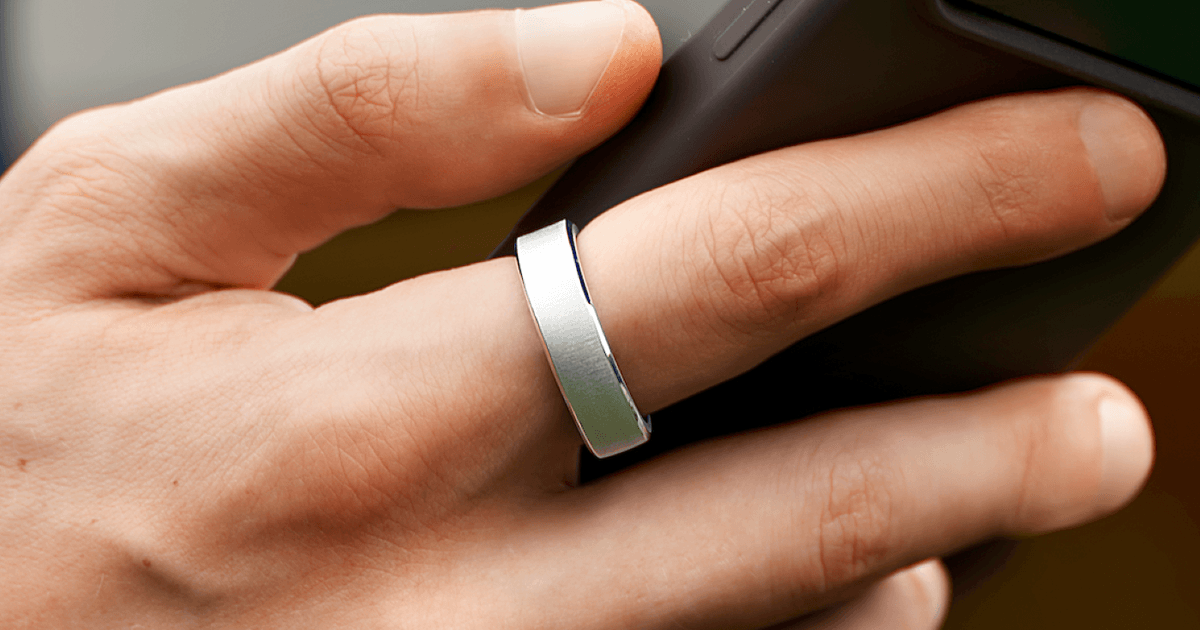
When I first got my hands on a smart ring years ago, I was extremely skeptical. Is the sensor accurate? What about the fragility? Can they match the biosensing chops of smartwatches? And more such doubts kept swirling through my mind. The underlying tech, on the other hand, has evolved dramatically.
Yet, as the technology evolved, so did the consumer requirements and the trust requirements. Can a smart ring truly blend into your lifestyle without making any compromises? I am currently testing the RingConn Gen 3 smart ring, and so far, it has emerged as the most holistic and feature-packed product of its kind. I’ve tested over half a dozen smart rings in the past year alone , so I don’t make such claims lightly.
Aside from the usual heart rate and sleep tracking, RingConn’s smart ring also delivers insights such as vascular load patterns and sleep oxygen fluctuations, to name a few. Most importantly, it combines all the data into an easy-to-understand format so that you can understand your physical wellness and make necessary lifestyle interventions. There’s even haptic feedback, a novel addition for this segment, to give you a nudge about general health changes, sedentary behavior, and battery status. Sounds pretty terrific, right?
To understand the true utility of wearables and separate the hype from substance, I sat down for an interview with Dr. Seth Martin (MD, MHS, FACC, FAHA, FASPC), a Professor in the Division of Cardiology at John Hopkins Medicine and a Howard S. Silverman Award winner for originality and creativity in medical research. He is an expert in wearables’ impact on heart health, and also the president of the local American Heart Association Board of Directors, which just published a report detailing how wearable devices have tangibly helped those living with heart diseases.
Smart rings as a proactive wellness choice
We’ve built a culture that treats health as something you check on. You go for the annual physical checkups, get the blood panel, measure your blood pressure once at the pharmacy machine, and call it a day. Broadly, we lean more on reactive, occasional, point-in-time care. For a long time, that was the only model accessible to an average person.
But after spending a few weeks with a smart ring on your finger, you start to feel the limits of that model. The things that actually wear you down, such as the stress that never switches off, the sleep that keeps getting shorter, the recovery you never quite finish before the next demand arrives. These are the concerns that don’t show up in your once-a-year physical checkup, but they take a toll on your wellness in the long run.
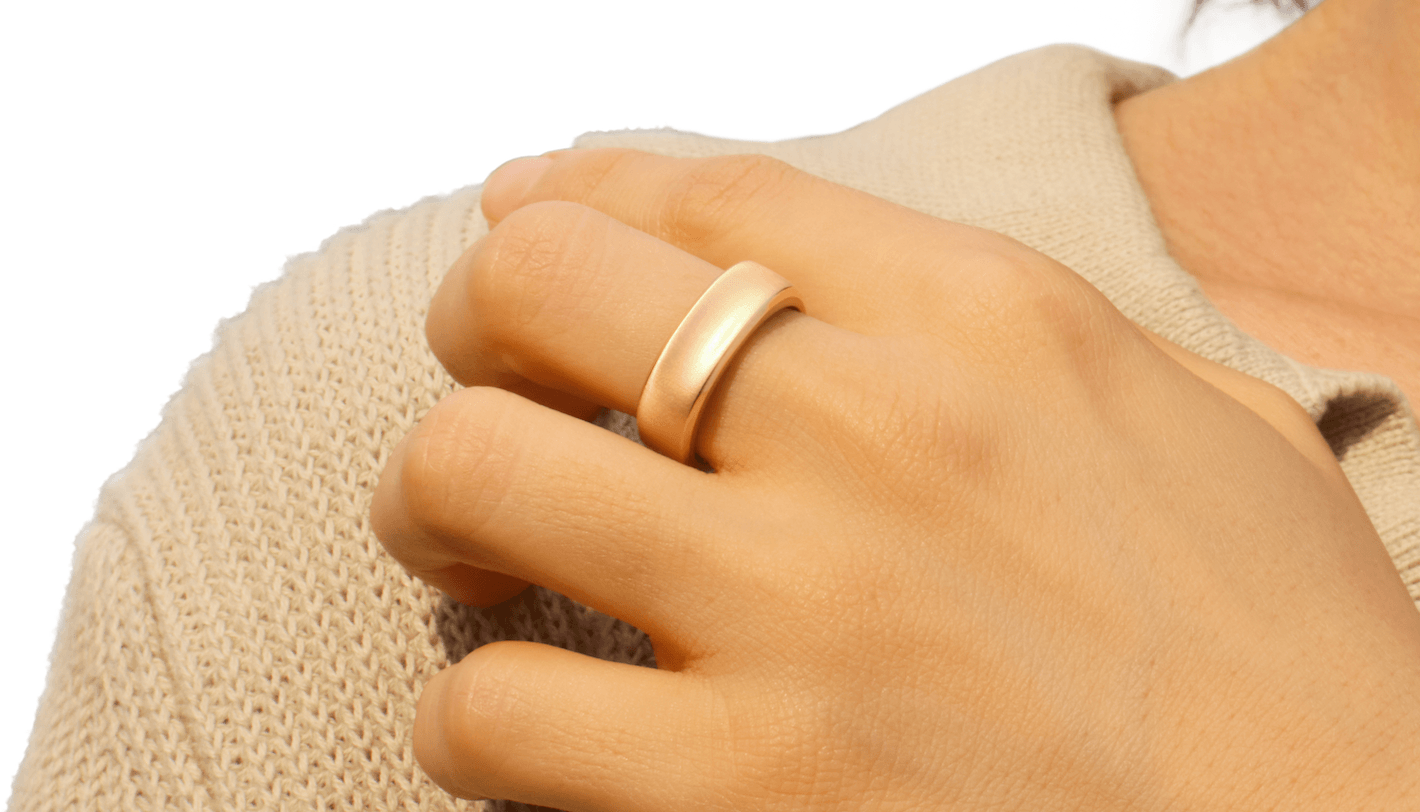
That gap is what drew me to the RingConn Gen 3, and to a much bigger question I wanted an expert to help me think through. As wearables get good enough to watch us continuously, are we finally moving from health as a timed routine, and towards checking it as a daily intervention we’re quietly, constantly aware of? To find out, I spoke with Dr. Martin, a cardiologist who has studied wearable health technology from inside the field for the better part of a decade. What he told me was more cautious, a tad more interesting than the marketing hype usually allows.
The hidden cost of looking fine
When it comes to wearables, much of the target audience barely goes beyond what they see listed on a specs sheet. It’s an obvious strategy, but ultimately, not something that’s productive. You can feel completely functional while your body absorbs a slow, steady tax. The late-night scroll that pushes bedtime back another hour, work pressure that follows you home, and unexpected traveling that scrambles your sleep. The cognitive load of being reachable and “on” from the moment you wake up. None of it announces itself. There’s no alert that says your recovery has been degrading for three weeks. You just feel a little more frayed, and you tell yourself it’s normal.

That’s where the wellness issues silently creep in. The strain is invisible precisely because it’s so ordinary. A device like the RingConn Gen 3 is built around a different premise. Instead of being just another light-based sensor sitting on your finger, it’s a lightweight, passive wearable that also tries to expose those slow patterns before they spiral. Instead of a once-in-a-blue-moon reading, it also keeps track of the gradual drift you’d otherwise never catch. At the end of the day, what you get is continuous monitoring without any distracting screen to follow or workouts to log. It does the biosensing job in the background while you get on with your life.
How wearables grew
To understand whether that premise holds, it helps to know how far this technology has actually come. Dr. Martin has watched the entire wearable segment unfold from the inside, seen through a cardiologist’s lens. “I think my interest in this space dates back to when I was a cardiology fellow and then an early faculty member. And, you know, it really started with the wrist-worn wearables,” he tells me. “Initially it was largely about wellness and lifestyle tracking, you know, being able to track things like step counts.”

The turning point, he told me, was when these devices started crossing from lifestyle gadgetry into something closer to clinical relevance. “When I was kind of early in my faculty career around 2018, when there was FDA clearance of the ECG function on the Apple Watch, which started moving these types of technologies closer to clinical applications, going beyond pure wellness and lifestyle applications to more clinical applications, such as being able to detect previously unrecognised atrial fibrillation.”
The smart ring, he noted, is a different form factor arriving on a similar timeline, and the engineering progress underneath it is real. Shrinking genuinely useful sensors down to a band you wear on your finger is no small feat. “It has been an impressive miniaturisation of clinically relevant sensors like PPG that allow for heart rate detection. I do think that when it comes to specific clinically relevant or health-related signals, heart rate can be well measured by wearables, including wrist-worn as well as smart rings.”
That maps onto my own time with the RingConn Gen 3. Its heart rate and sleep tracking feel consistent and believable, and those happen to be the two areas Dr. Martin singled out as generally reliable. The ring is comfortable enough to forget you’re wearing it, which matters because a wearable you take off at night can’t tell you anything about your nights. That’s an important aspect because it offers a peek at other important health signals such as recovery, adequate rest or its absence.
From measurement to awareness

I wanted to understand whether continuous monitoring is just more of the old model, or something genuinely different. Dr. Martin’s answer pointed to where the real value sits, and it isn’t where you’d expect. He sees concrete, underused potential in continuous heart-rate data, adding that it’s not just a number to log but something that is tied to vital healthcare.
“It’s a type of programme that can benefit users tremendously, but is highly underutilized. And so if we can deliver cardiac rehab through more flexible, home-based setups, then that could do a lot of good.” He was careful to note his team has done that work with wrist-worn watches rather than rings, but the underlying signal, such as heart rate guiding the intensity of exercise, is exactly what a ring can capture continuously.
The point isn’t the device, per se. It’s the always-on data capture that enables a flexible, home-based, user-friendly care that an old once-a-year checkup never could. But the most radical thing he said cut against the entire spec-sheet arms race. We assume more data is better. A lot of brands often engage in a blind chase for more sensors, more signals, more numbers. Dr. Martin flatly disagrees.
“Ultimately, it’s actually, to me, the value is not in the sheer volume of signals or numbers that you can provide. In fact, the more (signals) could even be worse. In my mind, I want, for my health and for any other individual’s health, the least number of signals that are actually needed to improve.” That’s a crucial point because it reframes the whole future of this category.
The goal of continuous health sensing isn’t to bury you in metrics. It’s to surface the fewest signals that genuinely lead to a healthier action. Most of what you see beyond these core vitals is noise dressed up as sophistication. Or to put it in his own words, features that exist to make a device “seem like it has something that others don’t, or that it’s fancier than others.” The future he’s describing isn’t a dashboard with forty readouts. It’s a small number of trustworthy nudges you’ll actually act on. RingConn Gen 3 tries to decode the signals and, most importantly, serves them as insights that an average person can follow.
A bright future with care and caution
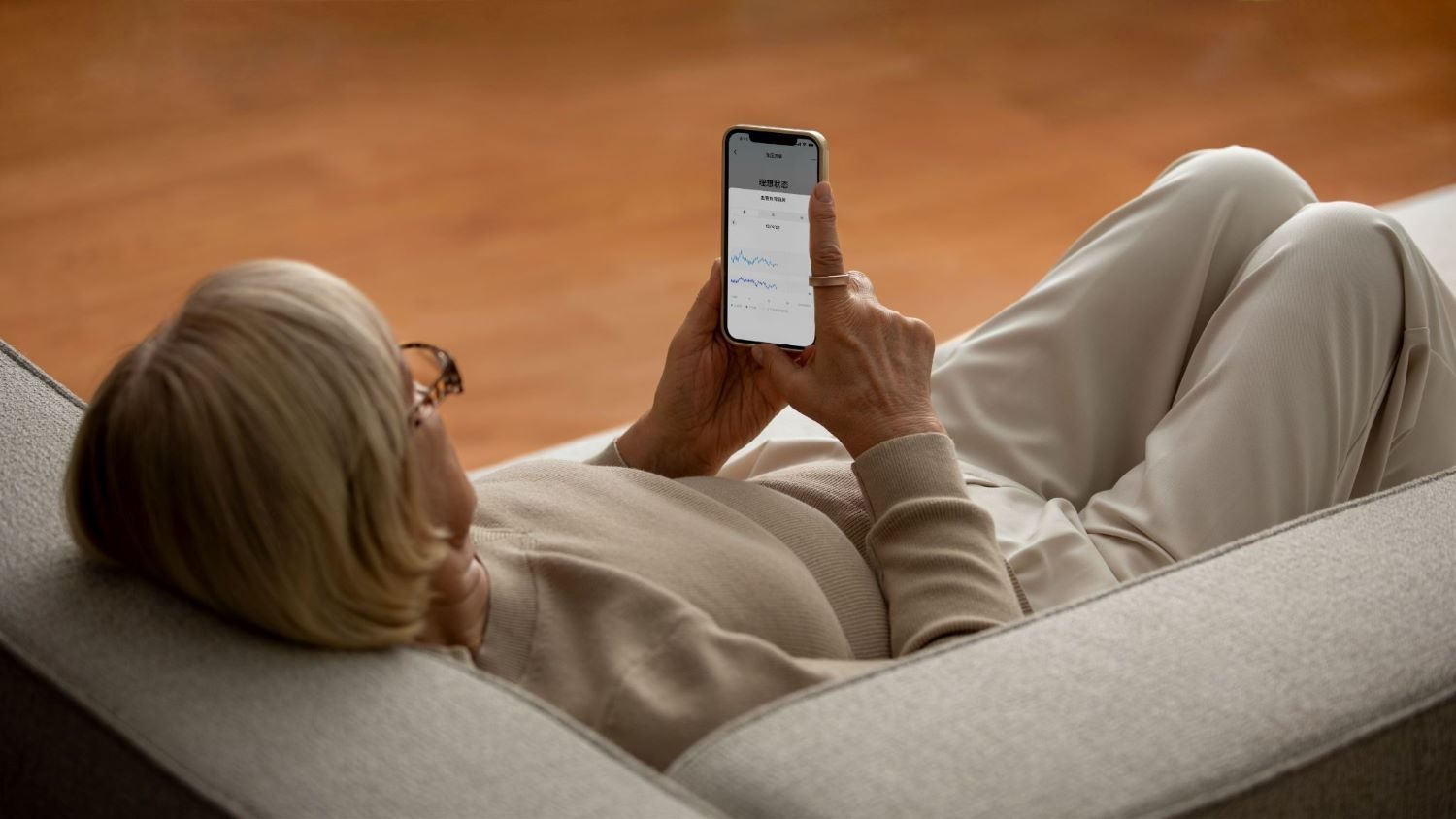
That brings us to the part of this conversation I think is most important, and where Dr. Martin was at his most cautious. The frontier of this category right now is blood pressure, and there’s enormous commercial pressure to put something blood-pressure-related on every box. I asked him directly how ready that technology is, and his answer was unambiguous.
“An example of where we need to be very cautious is blood pressure. I would like to raise significant caution in this area because (with) the cuffless approaches, the blood pressure assessments are not ready for prime time in the sense of being able to give specific numbers. The latest American Heart Association high blood pressure guideline has a class 3 recommendation stating that it’s recommended not to use cuffless approaches.”
A Class 3 recommendation, for context, is about as firm as medical guidance gets in saying don’t do this yet. And it didn’t soften when I pushed on whether a directional signal, not a solid number, might still be useful.
“Even if it’s a directional signal of the blood pressure being stable or spiking higher without giving a specific number. I do wonder about the reliability of that. I think there needs to be more studies of the true reliability of these signals and clarity around how the data are used, because you could easily see that if these signals are false signals, they could create undue anxiety and overly worry someone when it’s really not based on solid data.”
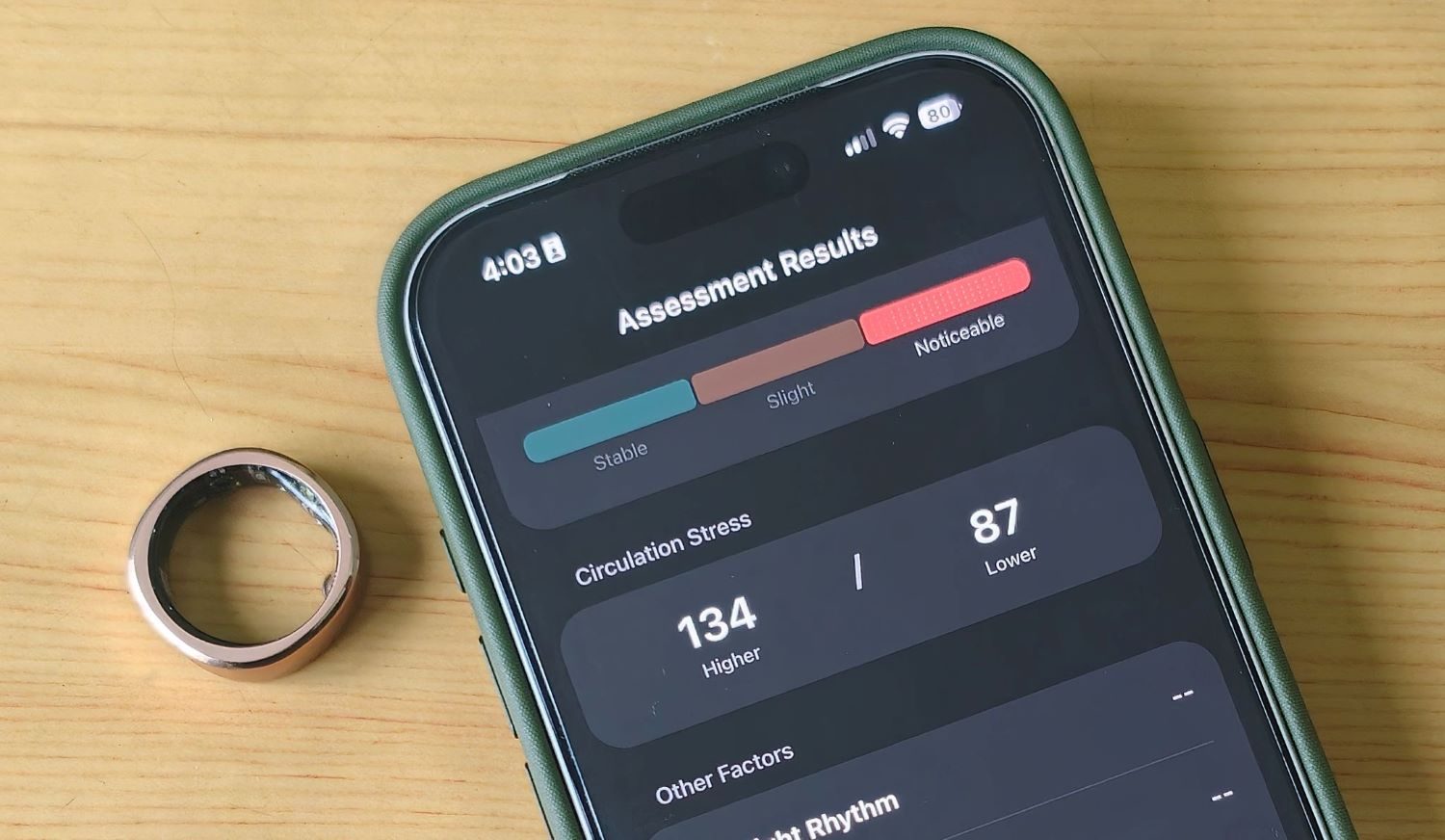
That line stayed with me because it names the real risk of this whole movement toward continuous awareness. The danger isn’t only that a reading might be wrong. Instead, I am worried that a wrong reading, wrapped in a confident interface, can make you more anxious about your health, not less. A spike that isn’t real is worse than no spike at all. The future of passive monitoring lives or dies on whether the signals it surfaces are actually trustworthy.
To his credit, Dr. Martin didn’t dismiss the direction entirely. He sketched the sensible version of it where a wearable doesn’t pretend to be a medical device, but nudges you toward one.
“If wearables have embedded algorithms that are able to identify people who are even more likely to have hypertension, that prompts medical-grade evaluation using a blood pressure cuff,” he told Digital Trends. “I think that’s a good thing if the wearable prompts that attention.” That, to me, is the honest version of the future these devices are reaching for. Not a ring that diagnoses you, but one that knows its limits well enough to point you toward something that can.

RingConn Gen 3 doesn’t advertise itself as a blood pressure-sensing device. Instead, it takes a far more cautious approach, one that requires manual calibration with a real, medical-grade blood pressure cuff. Once the data has been fed, the ring relies on a light sensor to look for any abrupt changes in vascular levels (analyzed through the volumetric flow in blood vessels) to offer personalized vascular trend insights. “All assessment results are intended solely as a reference for lifestyle trends and should not be used as a basis for medical decisions,” as the company puts it.
A healthier relationship with your own body
So where does that leave the RingConn Gen 3, and more importantly, does it represent a meaningful shift in how we track our wellness using wearables? To a large extent, I’d say yes. I am convinced that the move away from reactive measurement to continuous, passive awareness is worth taking seriously, but only if we hold it to the standard that Dr. Martin highlighted. The value is not in the sheer volume or variety of health signals collected by a wearable device. Instead, it’s whether a small set of core biosignals helps you sleep earlier, move more, manage stress better, or get a real measurement when something looks off.
The benefits ultimately live in the actions, not the numbers. A smart ring serves best when it’s doing the quiet work well, such as tracking the sleep and heart-rate patterns that experts can actually establish a pattern with, around the clock, and without nagging. They ideally work best when they treat speculative signals, such as vascular data or vascular-adjacent information, as a prompt to look closer rather than a verdict that you should believe conclusively.
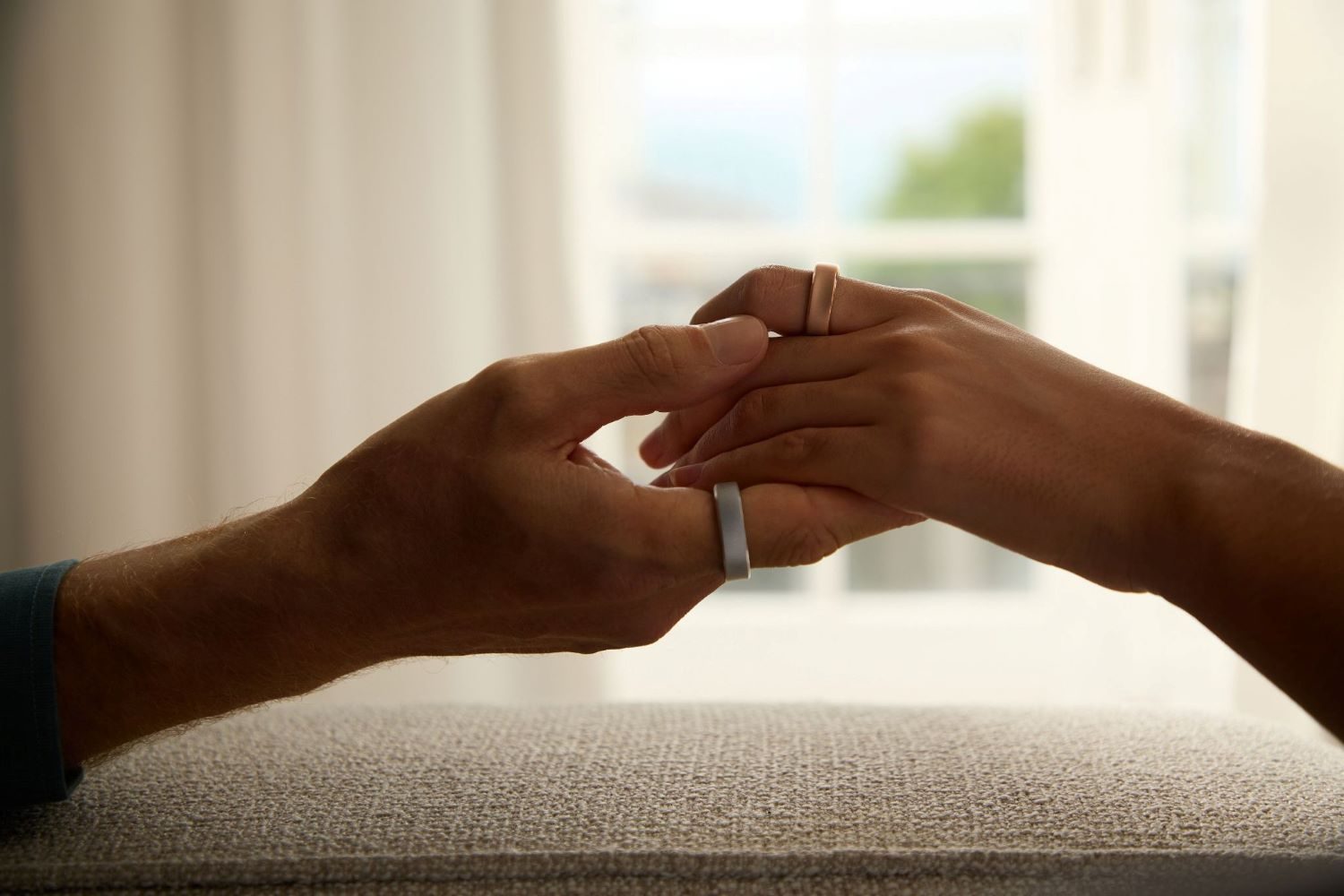
That’s the future I’d actually want from wearables, not a device that claims to know everything about your body, but one that helps you pay attention to it. The data it presents should be enough to tell you when you must seek help. As Dr. Martin’s caution made clear, the most trustworthy features in this category are the cautious ones. The goal isn’t anxiety-driven tracking. It’s a calmer, more aware relationship with your own health built on the fewest signals that are easy to understand and act upon. RingConn’s smart ring covers core metrics such as heart rate variations to keep an eye on stress signals, blood pressure insights that tie into your vascular health and lifestyle patterns, oxygen saturation, sleep apnea signs, and more.
The broad goal is to give you a meaningful look into your biosignals, what they mean, and how you can use those insights to stay healthy. The RingConn Gen 3 embodies that quiet biosensing approach with the right mix of innovation and caution. In an age of wild claims and digital overload, I appreciate this approach.