


Technologist Mag
  • Home
  • Tech News
  • AI
  • Apps
  • Gadgets
  • Gaming
  • Guides
  • Laptops
  • Mobiles
  • Wearables
  • More
    • Web Stories
    • Trending
    • Press Release

Subscribe to Updates

Get the latest tech news and updates directly to your inbox.

What's On
Mattress Firm Coupons: Save up to 0

Mattress Firm Coupons: Save up to $700

5 September 2026
The Watch World Went Crazy This Week. Here Are the 10 You Need to See

The Watch World Went Crazy This Week. Here Are the 10 You Need to See

5 September 2026
OpenAI Agents Hacked Another Website

OpenAI Agents Hacked Another Website

5 September 2026
There May Not Be an iPhone 18 This Year

There May Not Be an iPhone 18 This Year

5 September 2026
The Best Alexa Speakers I’ve Tried

The Best Alexa Speakers I’ve Tried

5 September 2026
Facebook X (Twitter) Instagram
Technologist Mag
SUBSCRIBE
  • Home
  • Tech News
  • AI
  • Apps
  • Gadgets
  • Gaming
  • Guides
  • Laptops
  • Mobiles
  • Wearables
  • More
    • Web Stories
    • Trending
    • Press Release
Technologist Mag
Home » Your next EV battery could start life as a plastic water bottle
Tech News

Your next EV battery could start life as a plastic water bottle

By technologistmag.com27 June 20262 Mins Read
Your next EV battery could start life as a plastic water bottle
Share
Facebook Twitter Reddit Telegram Pinterest Email

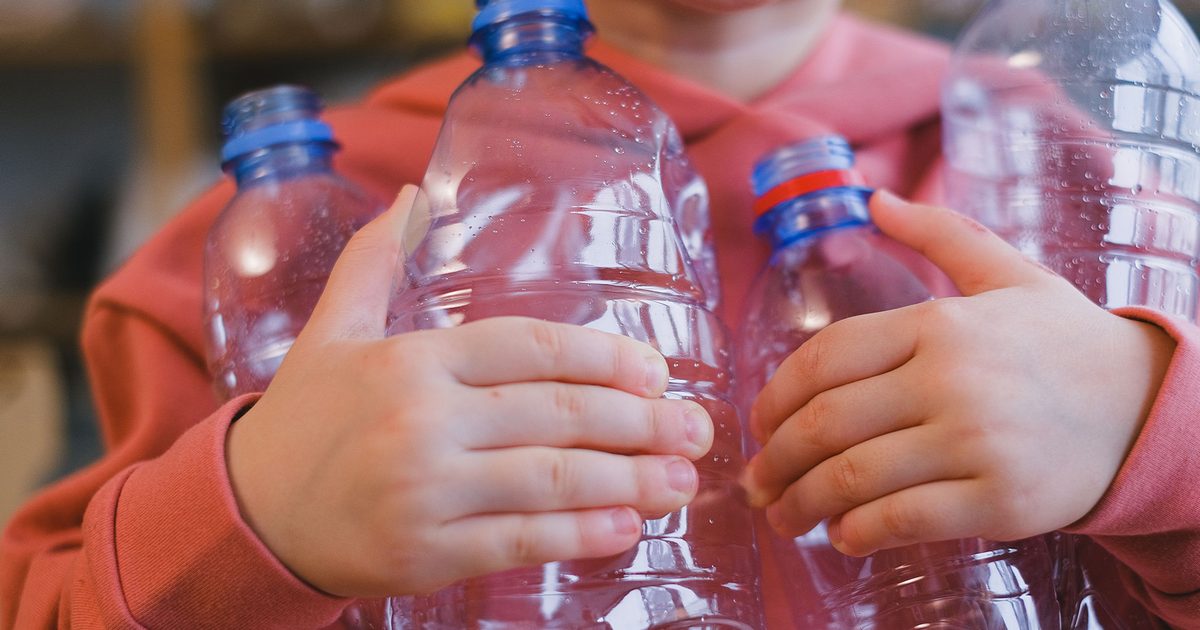
Plastic bottles usually end up being recycled into lower-value products, buried in landfills, or worse, polluting the environment. But researchers at Penn State University believe they could one day power electric vehicles, smartphones, and even renewable energy storage systems after discovering a way to convert discarded plastic into high-quality battery graphite.

Turning plastic waste into battery-grade graphite

According to Penn State, the team converted discarded PET (polyethylene terephthalate) plastic, the material commonly used in water and soft drink bottles, into highly ordered synthetic graphite. Graphite serves as the anode inside lithium-ion batteries, storing and releasing electrical charge, making it one of the most critical materials in modern battery technology. Even more impressively, the PET-derived graphite exhibited a more ordered crystal structure than some commercial natural graphite, a key indicator of high-quality battery materials.

The process itself, published in Diamond and Related Materials, is surprisingly straightforward. Researchers shredded PET plastic, mixed it with a small amount of graphene oxide, and heated the material under carefully controlled conditions. The graphene oxide acts like a template, guiding carbon atoms into highly ordered graphite crystals during graphitization. The team found that adding just 2.5% graphene oxide produced the highest-quality graphite in their experiments.

Another clever aspect of the research is what the team chose not to use. Most synthetic graphite is produced using metal catalysts such as iron, nickel, or cobalt, which can leave behind impurities and require additional purification. Instead, the Penn State researchers relied on graphene-based additives, creating cleaner graphite while reducing chemical waste and simplifying the manufacturing process.

This is recycling that actually adds value

Interestingly, this isn’t just a story about finding another use for plastic bottles. It’s about securing one of the world’s most important battery materials. Graphite is classified as a critical mineral by the U.S. Department of Energy, and demand is expected to grow rapidly as electric vehicles, consumer electronics, and grid-scale energy storage become more common. At the same time, PET remains one of the world’s most widely used plastics, much of which still ends up in landfills despite recycling efforts.

The researchers still need to prove the process works at an industrial scale and validate long-term battery performance, so don’t expect plastic-powered EVs overnight. But if the technology can be commercialized, it could tackle two major problems at once by reducing plastic waste while producing cleaner, battery-grade graphite.

Share. Facebook Twitter Pinterest LinkedIn Telegram Reddit Email
Previous ArticleApple’s looking at a politically radioactive fix for the memory crisis, and the US government isn’t happy about it
Next Article It looks like Apple will treat you to a $200 price hike on the iPhone 18 Pro, after all

Related Articles

Mattress Firm Coupons: Save up to 0

Mattress Firm Coupons: Save up to $700

5 September 2026
The Watch World Went Crazy This Week. Here Are the 10 You Need to See

The Watch World Went Crazy This Week. Here Are the 10 You Need to See

5 September 2026
OpenAI Agents Hacked Another Website

OpenAI Agents Hacked Another Website

5 September 2026
There May Not Be an iPhone 18 This Year

There May Not Be an iPhone 18 This Year

5 September 2026
The Best Alexa Speakers I’ve Tried

The Best Alexa Speakers I’ve Tried

5 September 2026
Scientists Put Caterpillars in an Ultraquiet Chamber to Learn How They Hear Without Ears

Scientists Put Caterpillars in an Ultraquiet Chamber to Learn How They Hear Without Ears

5 September 2026
Stay In Touch
  • Facebook
  • Twitter
  • Pinterest
  • Instagram
  • YouTube
  • Vimeo

Subscribe to Updates

Get the latest tech news and updates directly to your inbox.

Don't Miss
The Watch World Went Crazy This Week. Here Are the 10 You Need to See

The Watch World Went Crazy This Week. Here Are the 10 You Need to See

By technologistmag.com5 September 2026

While Watches and Wonders every April is undoubtedly the watch world’s main event of the…

OpenAI Agents Hacked Another Website

OpenAI Agents Hacked Another Website

5 September 2026
There May Not Be an iPhone 18 This Year

There May Not Be an iPhone 18 This Year

5 September 2026
The Best Alexa Speakers I’ve Tried

The Best Alexa Speakers I’ve Tried

5 September 2026
Scientists Put Caterpillars in an Ultraquiet Chamber to Learn How They Hear Without Ears

Scientists Put Caterpillars in an Ultraquiet Chamber to Learn How They Hear Without Ears

5 September 2026
Technologist Mag
Facebook X (Twitter) Instagram Pinterest
  • Privacy
  • Terms
  • Advertise
  • Contact
© 2026 Technologist Mag. All Rights Reserved.

Type above and press Enter to search. Press Esc to cancel.