






Earlier today, Sony announced it will stop making physical game discs for new PlayStation titles starting in January 2028. It looks like Microsoft is heading in the same direction, but with a consumer-friendly approach: Xbox owners may not have to leave their disc collections behind.
According to The Verge‘s Tom Warren, Microsoft has been quietly working on a disc-to-digital feature for Xbox. It’s called Disc2Digital internally, and lets players convert their physical games into permanent digital licenses.
So how does it actually work?
Xbox employees recently began testing the feature. It first surfaced in May when references to “enable Disc2Digital” appeared in the Xbox PC app code.
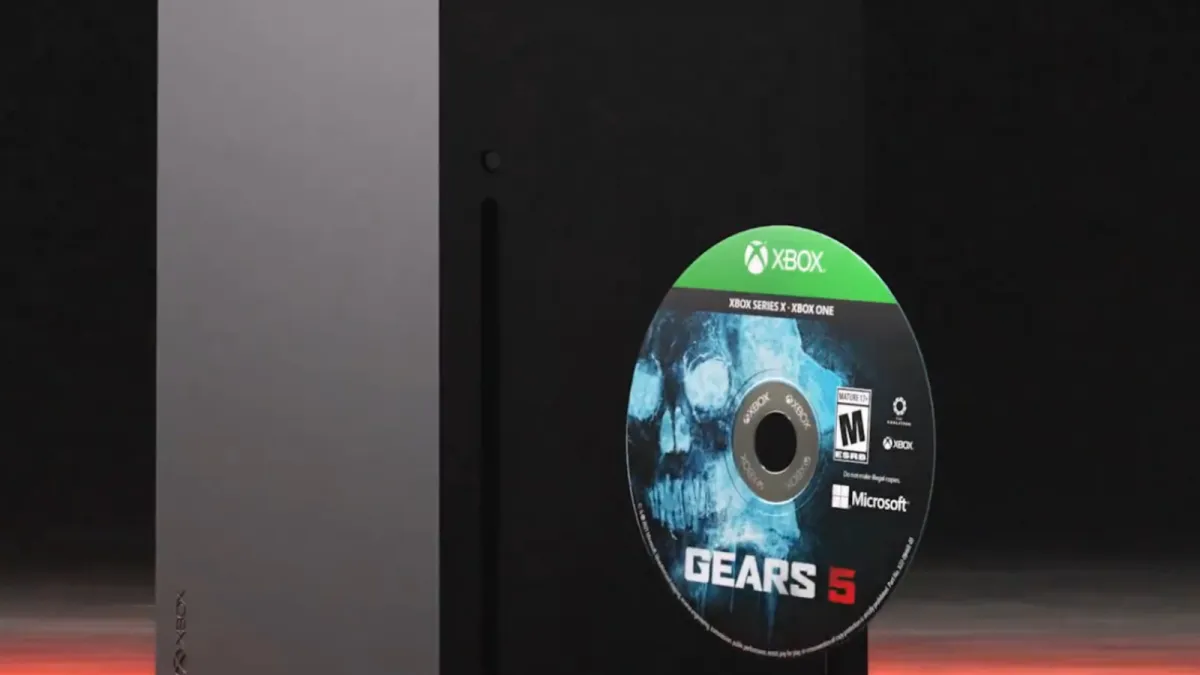
The process is straightforward. Insert a compatible disc into your Xbox console, install the game, and the system grants you a digital entitlement for that particular title.
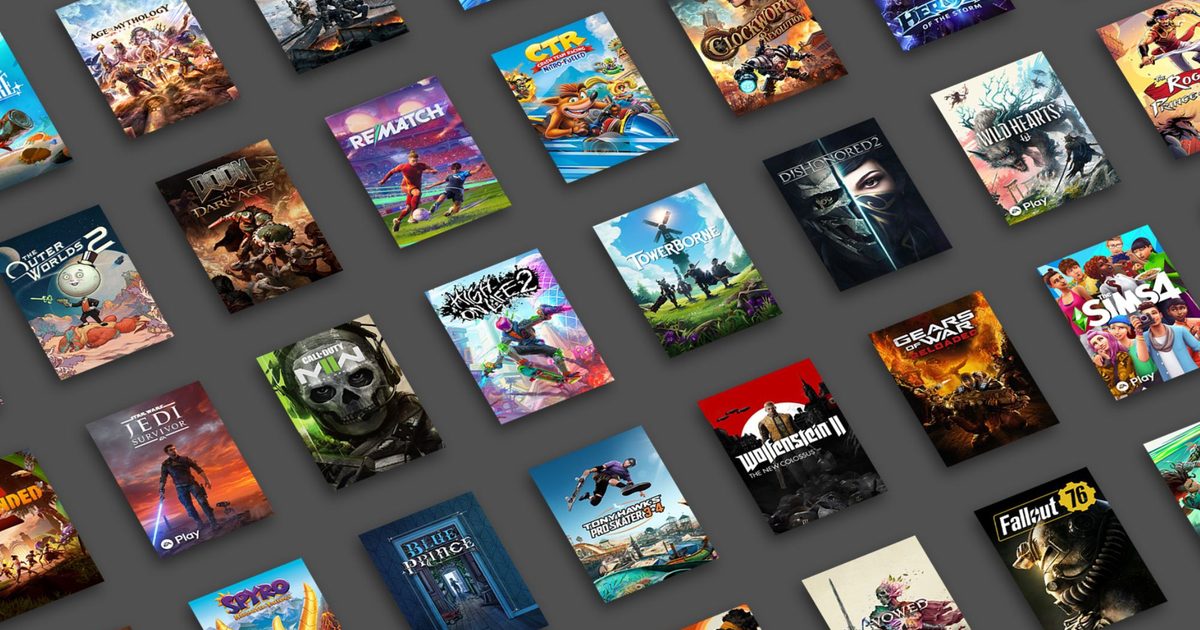
It’s similar to buying the game from the digital store. If it’s available on Xbox Cloud Gaming and you have Game Pass, you can stream it. If it’s an Xbox Play Anywhere title, you’ll get access on PC and handhelds.
The feature should also work for disc bundles and multi-disc titles, including all downloadable content.


What are the limitations?
Per the report, the Disc2Digital feature works only with Xbox One and Xbox Series X/S discs. Xbox 360 and original Xbox discs are not supported. Some older Xbox One discs may not work either.
“It all depends on how and when the disc was manufactured, and it may not have the features we need for this program,” Microsoft warned its internal testers. Importantly, the physical disc still works normally after being digitized. However, if you lend or sell a disc, the digital entitlement transfers with it.
The broader context here is Project Helix, Microsoft’s next-generation Xbox, whose disc drive status remains undecided. If Helix ships without one, this feature could be essential for anyone wanting to carry their physical library into the next generation.
In contrast, Microsoft’s approach facilitates the shift away from physical discs by preserving ownership, while Sony’s move simply ends physical releases, leaving owners and collectors with no clear migration path, at least not for now.
