





Xbox executives have confirmed the return to console exclusives has only just started. In a recent interview with GamesRadar+, chief strategy officer Matthew Ball and chief content officer Matt Booty said that two upcoming games are locked in as permanent exclusives, with more already in the works.
Gears of War E-Day and Clockwork Revolution lead the way
Xbox Game Studios has released sixteen first-party games for the Series X, but only three of them stayed platform exclusive. Ball said that’s set to change, starting with Gears of War E-Day on October 6 and Clockwork Revolution in 2027.
Both games are permanent exclusives rather than timed ones, according to Ball, who added that the two titles wouldn’t be the last. He stopped short of naming what comes next.
Fable and Halo are still headed to other platforms
Not every upcoming Xbox game is getting the same treatment. Fable is still set to launch on PC, PS5, and Xbox Series X on February 23, 2027, and Halo Campaign Evolved is landing on PS5 on July 28, marking the first time a mainline Halo game will release on a PlayStation console.

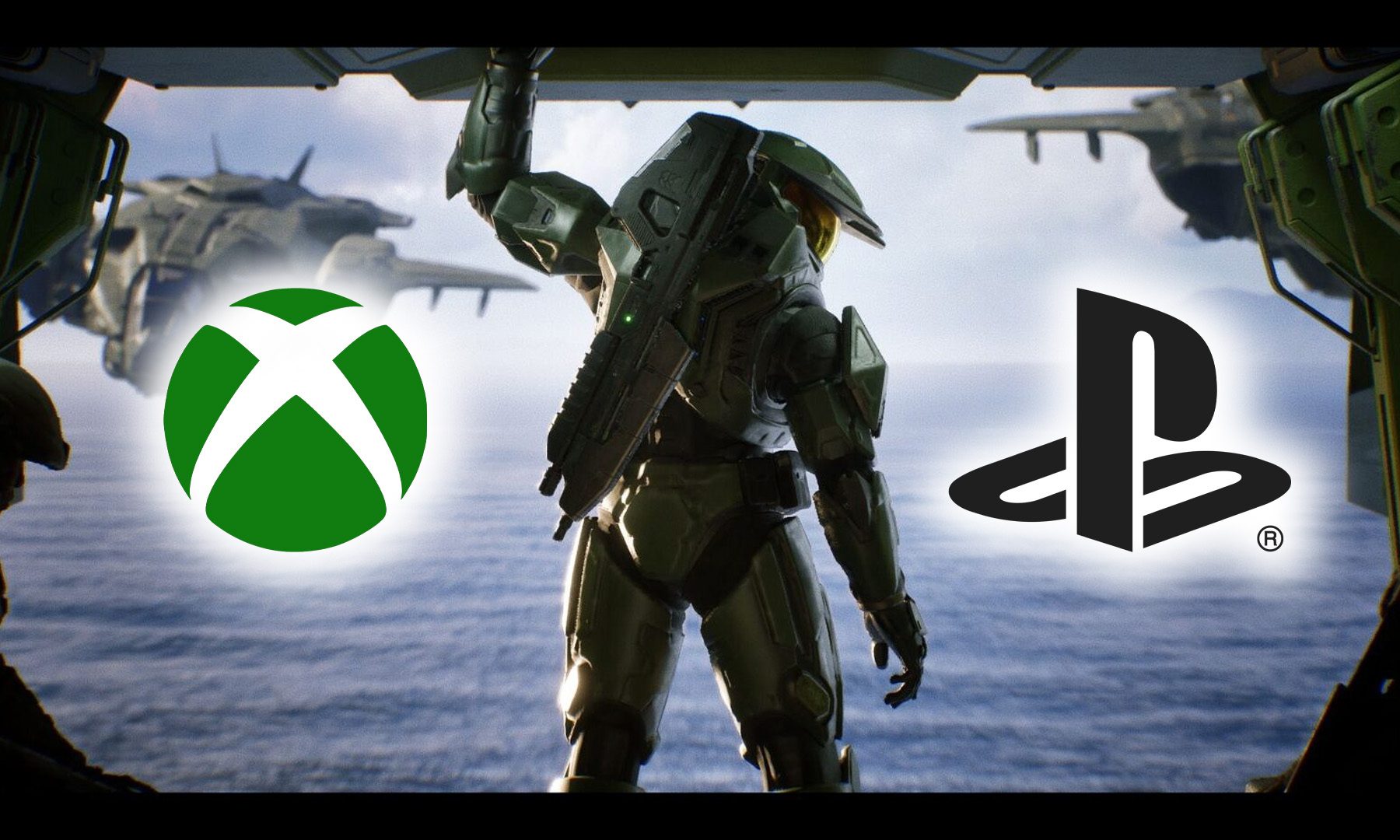
Ball said those releases reflect commitments Xbox made to partners and players before the exclusivity strategy shifted. Call of Duty and other live-service games are staying multiplatform too, though for a different reason. Microsoft signed binding agreements with Nintendo, PlayStation, and Steam during its Activision Blizzard acquisition, guaranteeing the franchise stays available outside the Xbox ecosystem through 2033.
Booty acknowledged that the mix of exclusive and multiplatform releases has confused players. He said Xbox will pair every future release date announcement with a confirmed platform list, a change meant to make the strategy easier to follow going forward.
For anyone deciding whether to buy Xbox hardware, the key takeaway here is that exclusives are coming back, but not across the board. Gears of War E-Day and Clockwork Revolution are staying off other platforms, while some of Xbox’s biggest upcoming games aren’t. The split comes down to which commitments were already made before the strategy changed, not a lack of commitment to exclusivity itself.
