



.jpg "NASA Just Made Nearly 1 TB of Artemis II Data Available to the Public")

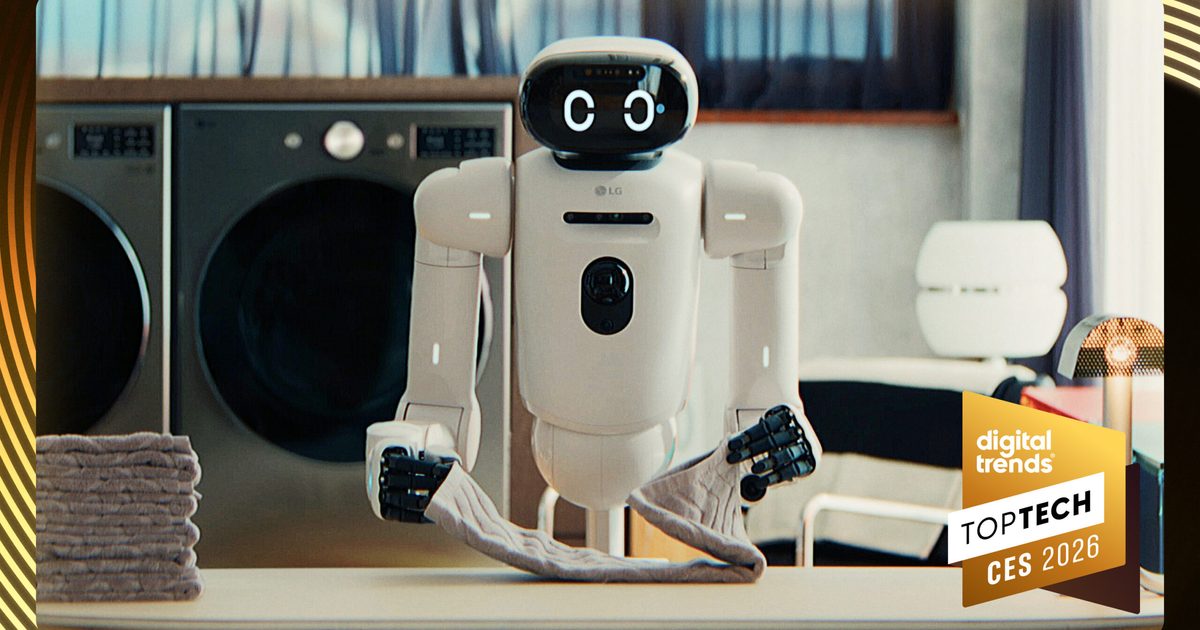
The FCC has a track record of using its Covered List to squeeze Chinese tech out of American markets, and robots just became its newest target. Foreign-made humanoids, quadrupeds, and even robot vacuums now need to be mostly built in the U.S. to sell here (via Rest of World).
So what does the new rule actually require?
The FCC added “advanced robotic devices” to its Covered List last month, the same national security roster that’s previously blocked devices from Chinese companies like Huawei and ZTE. New models of foreign-made humanoids, quadrupeds, robot vacuums, and even lawn mowers are now barred from entering the U.S. market.
Only models assembled domestically and sourcing at least 65% of their component value from within the U.S. qualify. The threshold will climb to 75% by 2029. The policy doesn’t target any single country (or mention one), but it’s widely understood as aimed squarely at reducing Chinese imports.
The good news is that existing products (already on sale) aren’t affected. Robots imported purely for research and development (not for commercial sale) stay exempt from the rule for now.
How are startups actually reacting to this?
Founders say hitting 65% local sourcing threshold is nearly impossible right now. Plenty of motors, sensors, and actuators are either too expensive, too slow to source, or, the worst one of all, simply unavailable domestically. The issue is so severe that employees have reportedly flown parts over from China in their luggage just to keep prototypes moving.
Michael Perry of Persona AI put it bluntly: “You need to provide the carrot as well as the stick.” Not everyone’s upset, though. Oregon-based Agility Robotics and San Francisco’s Nori Robotics both welcome the rule, stating that it will eventually shield them from cheaper Chinese competition.
However, there’s no denying that the rule complicates sourcing for the immediate future. China didn’t end up controlling robotics manufacturing by accident. Decades of state investment, a deep engineering workforce, and a boom in electric-vehicle production carved out the kind of sensor, battery, and actuator supply chain robots also rely on.
The result: Chinese-made humanoids account for nearly 90% of everything sold worldwide in 2025, according to research firm Omdia.


