


Technologist Mag
  • Home
  • Tech News
  • AI
  • Apps
  • Gadgets
  • Gaming
  • Guides
  • Laptops
  • Mobiles
  • Wearables
  • More
    • Web Stories
    • Trending
    • Press Release

Subscribe to Updates

Get the latest tech news and updates directly to your inbox.

What's On
Firefox just made work and personal browsing easier to separate

Firefox just made work and personal browsing easier to separate

23 July 2026
An FDA Panel Just Endorsed These Unproven Peptides

An FDA Panel Just Endorsed These Unproven Peptides

23 July 2026
Galaxy Z Flip 8 vs. Motorola Razr Ultra (2026): Samsung’s flip phone is cheaper, but is it better?

Galaxy Z Flip 8 vs. Motorola Razr Ultra (2026): Samsung’s flip phone is cheaper, but is it better?

23 July 2026
6 Best Fitbit Models for Beginners, Athletes, and Kids (2026)

6 Best Fitbit Models for Beginners, Athletes, and Kids (2026)

23 July 2026
These are the mice I’d recommend for Back-to-school

These are the mice I’d recommend for Back-to-school

23 July 2026
Facebook X (Twitter) Instagram
Technologist Mag
SUBSCRIBE
  • Home
  • Tech News
  • AI
  • Apps
  • Gadgets
  • Gaming
  • Guides
  • Laptops
  • Mobiles
  • Wearables
  • More
    • Web Stories
    • Trending
    • Press Release
Technologist Mag
Home » The size of a credit card: This fully functional computer even packs an e-ink screen
Tech News

The size of a credit card: This fully functional computer even packs an e-ink screen

By technologistmag.com10 May 20263 Mins Read
The size of a credit card: This fully functional computer even packs an e-ink screen
Share
Facebook Twitter Reddit Telegram Pinterest Email

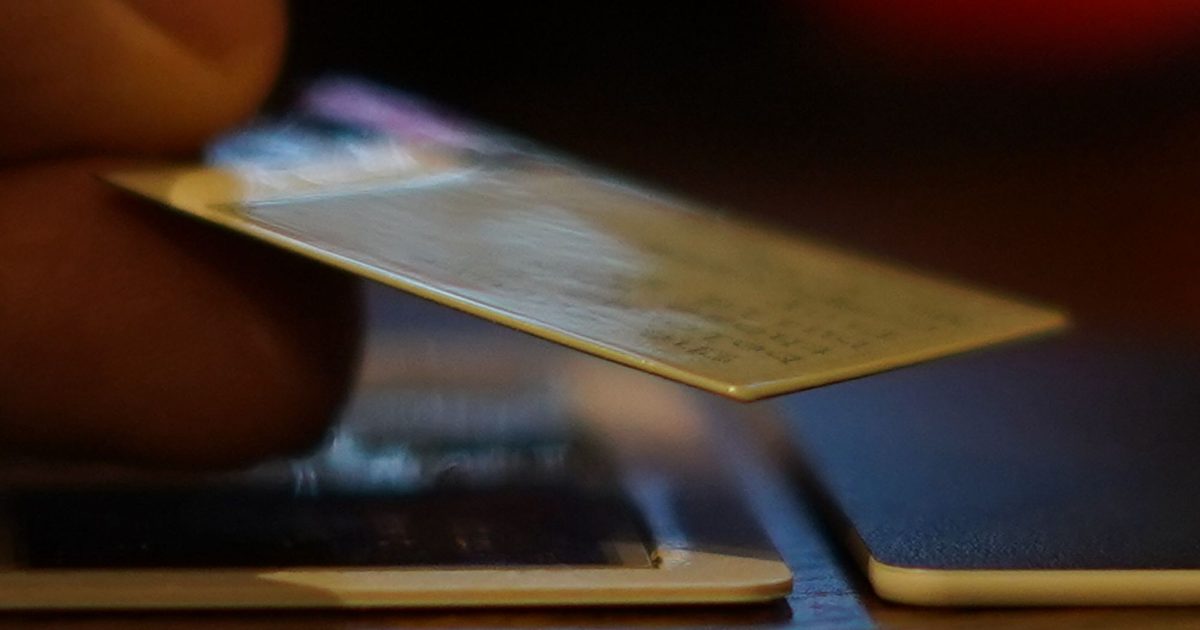
A developer has built a remarkably thin computer that is almost the same size and thickness as a standard credit card, potentially opening the door to a new category of ultra-portable computing devices.

Called the “Muxcard,” the experimental device combines a fully functional microcomputer, wireless connectivity, NFC support, sensors, and an E Ink display into a body measuring just 1mm thick – thin enough to fit inside a regular wallet alongside bank cards. The project, created by GitHub user “krauseler,” has quickly drawn attention from the maker and hardware enthusiast community for pushing the physical limits of compact electronics.

A tiny computer designed to fit in your wallet

Despite its slim form factor, the Muxcard includes surprisingly capable hardware. The device is powered by an ESP32-C3 microcontroller and integrates a 1.54-inch flexible E Ink display, NFC hardware, an IMU motion sensor, Bluetooth and Wi-Fi connectivity, and a miniature lithium-polymer battery.

The engineering challenge was not simply shrinking components, but making them durable enough to survive everyday bending and pressure inside a wallet. According to project details shared online, the creator used flexible PCBs and carefully separated sensitive components into “islands” connected through bend-tolerant sections to reduce mechanical stress.

One of the biggest hurdles involved integrating the E Ink display into such a thin device. Traditional connectors were reportedly too bulky, forcing the creator to hand-solder connections directly onto the display flex cable. Power management also became a major challenge because ultra-thin batteries offer extremely limited capacity.

Why this matters beyond a DIY project

At first glance, the Muxcard may seem like a niche experiment for hobbyists. However, the project reflects a broader trend toward invisible and ambient computing – devices becoming smaller, thinner, and more seamlessly integrated into everyday objects.

Muxcard

The use of an E Ink screen is particularly important because it consumes almost no power while displaying static information, allowing the card to remain functional for longer periods despite its tiny battery. The low-power design could make devices like this suitable for secure identification, digital business cards, two-factor authentication systems, event passes, or minimalist smart home controls.

For consumers, projects like the Muxcard offer a glimpse into how future computing devices may evolve beyond phones and wearables into objects people already carry every day.

What comes next

The Muxcard remains an experimental open-source project rather than a commercial product. However, the hardware files and firmware have already been published online for non-commercial use, meaning developers and enthusiasts can attempt to build their own versions.

As flexible electronics, thin batteries, and low-power displays continue improving, concepts like the Muxcard could eventually influence future digital IDs, secure authentication tools, and ultra-portable computing devices.

Share. Facebook Twitter Pinterest LinkedIn Telegram Reddit Email
Previous ArticleIf your router or drone maker is banned in the US, it will get an update lifeline until 2029
Next Article AnimeKai, one of the biggest pirated anime streaming sites, has gone offline

Related Articles

Firefox just made work and personal browsing easier to separate

Firefox just made work and personal browsing easier to separate

23 July 2026
An FDA Panel Just Endorsed These Unproven Peptides

An FDA Panel Just Endorsed These Unproven Peptides

23 July 2026
Galaxy Z Flip 8 vs. Motorola Razr Ultra (2026): Samsung’s flip phone is cheaper, but is it better?

Galaxy Z Flip 8 vs. Motorola Razr Ultra (2026): Samsung’s flip phone is cheaper, but is it better?

23 July 2026
6 Best Fitbit Models for Beginners, Athletes, and Kids (2026)

6 Best Fitbit Models for Beginners, Athletes, and Kids (2026)

23 July 2026
These are the mice I’d recommend for Back-to-school

These are the mice I’d recommend for Back-to-school

23 July 2026
‘The Child Is Terrified’: Measles Doctors Speak Out

‘The Child Is Terrified’: Measles Doctors Speak Out

23 July 2026
Stay In Touch
  • Facebook
  • Twitter
  • Pinterest
  • Instagram
  • YouTube
  • Vimeo

Subscribe to Updates

Get the latest tech news and updates directly to your inbox.

Don't Miss
An FDA Panel Just Endorsed These Unproven Peptides

An FDA Panel Just Endorsed These Unproven Peptides

By technologistmag.com23 July 2026

Peptides are inching closer to the mainstream.A panel of experts on Thursday narrowly recommended that…

Galaxy Z Flip 8 vs. Motorola Razr Ultra (2026): Samsung’s flip phone is cheaper, but is it better?

Galaxy Z Flip 8 vs. Motorola Razr Ultra (2026): Samsung’s flip phone is cheaper, but is it better?

23 July 2026
6 Best Fitbit Models for Beginners, Athletes, and Kids (2026)

6 Best Fitbit Models for Beginners, Athletes, and Kids (2026)

23 July 2026
These are the mice I’d recommend for Back-to-school

These are the mice I’d recommend for Back-to-school

23 July 2026
‘The Child Is Terrified’: Measles Doctors Speak Out

‘The Child Is Terrified’: Measles Doctors Speak Out

23 July 2026
Technologist Mag
Facebook X (Twitter) Instagram Pinterest
  • Privacy
  • Terms
  • Advertise
  • Contact
© 2026 Technologist Mag. All Rights Reserved.

Type above and press Enter to search. Press Esc to cancel.