




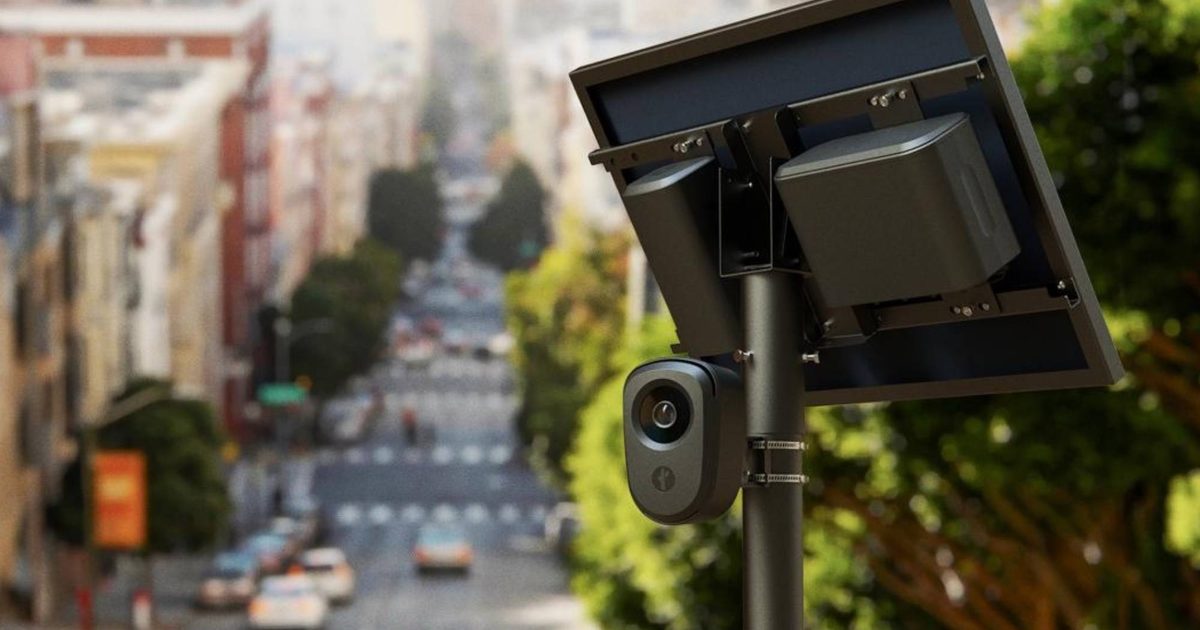
Drive down almost any main street in the US, and chances are an AI-powered camera is taking notice. Over the past few years, police departments across the country have quietly installed thousands of automated license plate readers to monitor daily traffic. But while law enforcement pitched these as simple crime-fighting upgrades, growing fears over constant location tracking and unauthorized police misuse have triggered a massive backlash.
At the center of the conflict is Flock Safety, an Atlanta-based company whose roadside units scan and log billions of vehicle details every month. Police departments argue these automatic license plate readers are vital for tracking stolen cars and finding missing people. However, privacy advocates warn that logging everyday trips creates a massive government database prone to abuse and violates basic Fourth Amendment protections.
A sharp shift in public trust
Public support for continuous road tracking has cratered over the past year. According to The Washington Post, a recent YouGov survey shows that 46% of Americans now oppose law enforcement using license plate readers in their communities. That represents a major shift from last year, when 45% supported the tech, and only 33% opposed it.
The privacy concerns are mounting across all sides of the political spectrum. Civil liberties advocates warn that location logs give law enforcement unchecked tracking power, while lawmakers point to the creation of an invasive government surveillance network. These fears are grounded in real-world misuse, with the Post revealing that dozens of police officials have been charged or disciplined for using license plate databases to stalk ex-partners or conduct unauthorized searches.
Everyday citizens are taking matters into their own hands
As frustration grows, public opposition is taking two distinct forms. On the administrative side, more than 100 cities have canceled contracts or deactivated their Flock cameras following resident protests, according to advocacy data shared by NPR.
In places where local officials have failed to act, residents have taken a more drastic approach. An NPR investigation found that Flock cameras face active vandalism or destruction in at least 36 states. While organized groups like DeFlock host rallies to push for legal reforms, independent actors have chosen direct intervention by using long poles with signs to block cameras, spray-painting sensors, chopping down mounting poles, and disabling units outright.
With public trust eroding fast, the clash between roadside AI cameras and the drivers they record is only getting started.
