


%20ILLUSTRATION%20Isadora-Ayesa%20Lima%20SOURCE%20Amazon.jpg "Our Go-To Over-Ear Headphones Are at Their Lowest Price for Prime Day")



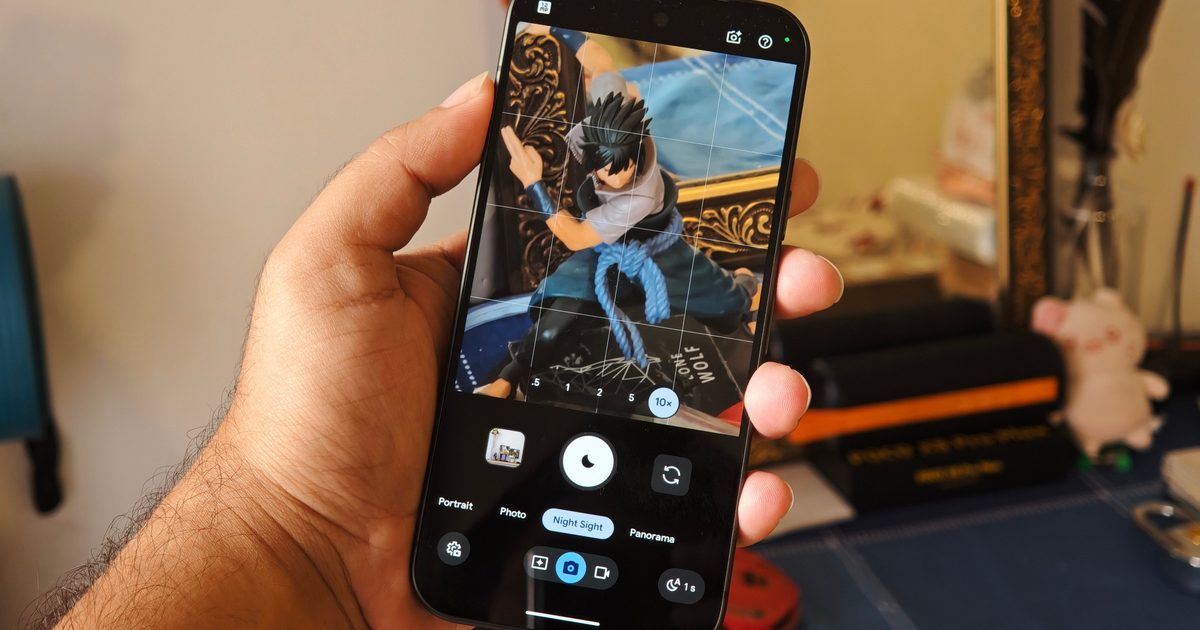
Night Sight used to be one of those Pixel features I couldn’t wait to show people. Point a Pixel at a scene that you know would make any smartphone struggle, and watch the algorithm magic unfold. Google’s computational photography could pull out an image that seemed impossible for any phone camera at the time.
Eight years later, night modes are everywhere, and I’ve largely stopped thinking about them. Every flagship I’ve used recently can brighten a dark room by stacking multiple exposures and producing a usable nighttime photograph–not to forget longer shutter speeds. But the Pixel 11 Pro made this unassuming feature even more convenient than before.
Google calls its latest implementation Instant Night Sight, claiming captures can be up to 4.5 times faster than before. After shooting with the Pixel 11 Pro, that number no longer sounds like another keynote statistic to me. Night Sight has become quick enough that I increasingly forget I’m using a specialized low-light mode at all.
Night Sight is starting to disappear
In my experience, it was surprising how frequently the Pixel 11 Pro used Night Sight. Indoor lighting or artificial lighting at night could easily trigger it automatically. Google became fairly liberal about activating it when the light drops. This would’ve been annoying if the feature worked like before. The noticeable pause after pressing the shutter might help compose a better image, but could also lead to missing the right moment. With the Pixel 11 Pro, many of my low-light captures only take marginally longer than an ordinary photograph.
It made a big difference outside a deliberately dark test room. I shot a busy street at night surrounded by illuminated signs, string lights, dark foliage, storefronts, and a nearly black sky. The Pixel retained the darkness of the sky while pulling plenty of texture from the trees and pavement, and the brightest signs remained reasonably controlled rather than turning into giant glowing patches, which is something that often happens with shots that have a longer exposure.

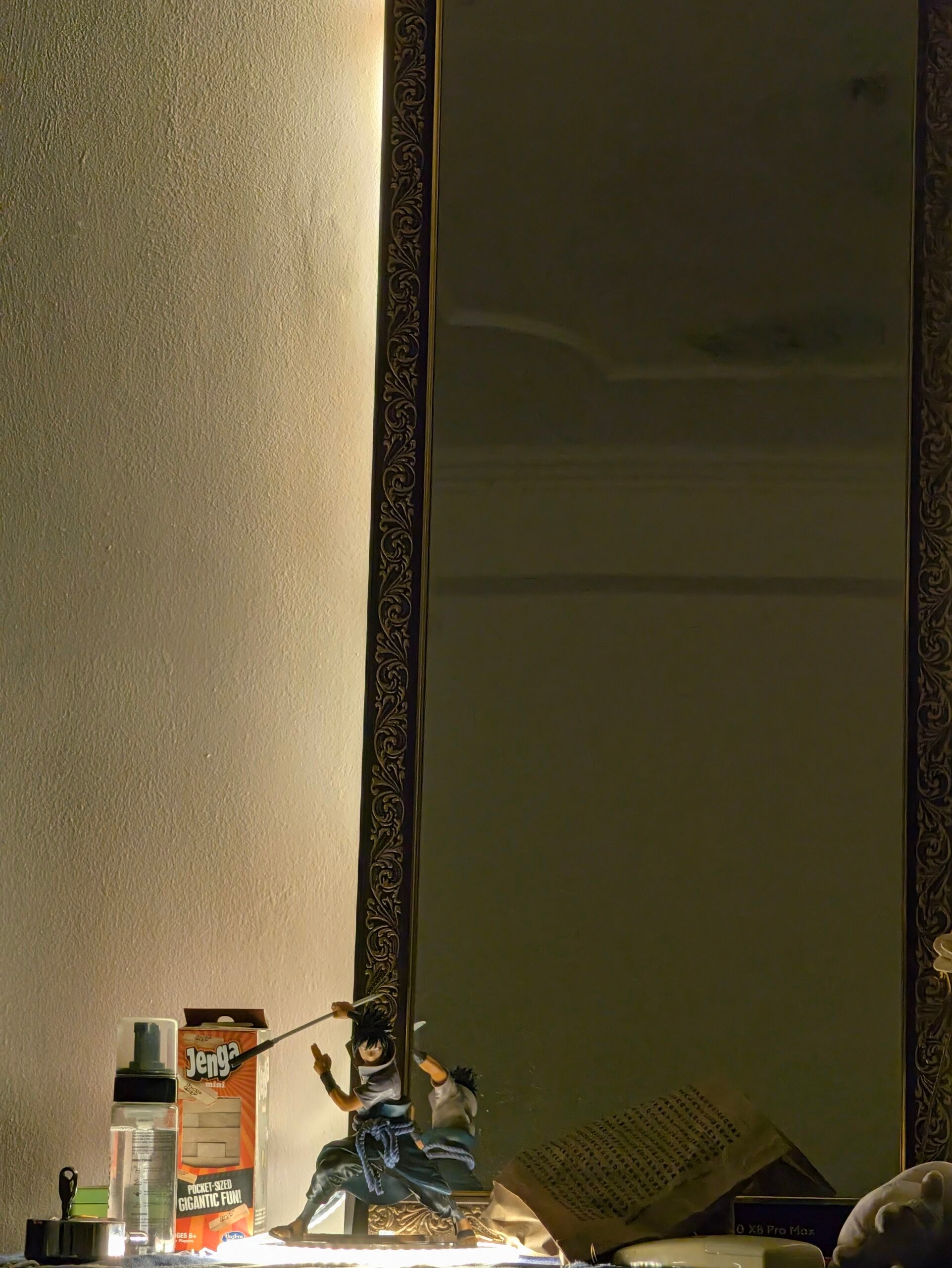
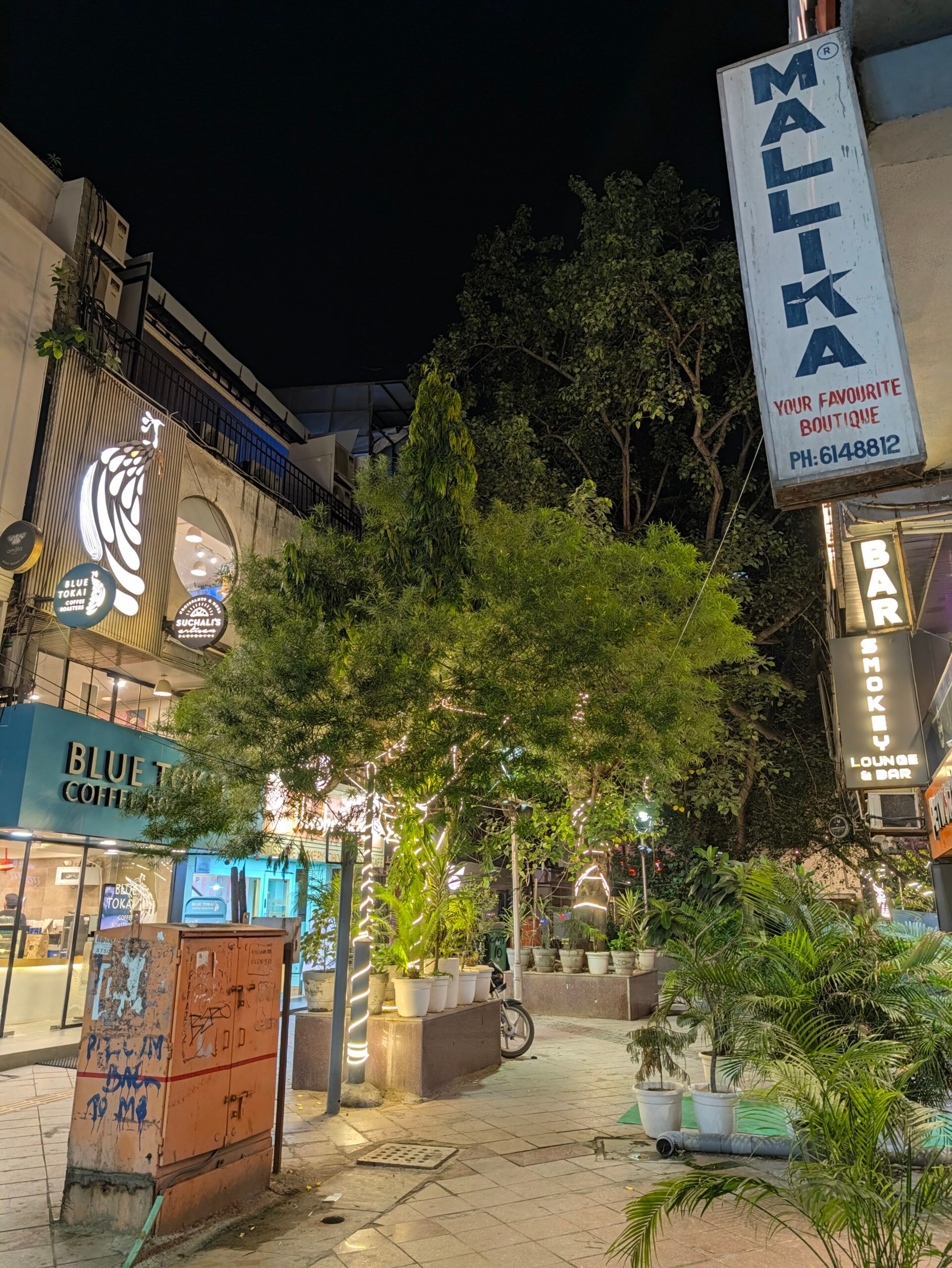

These shots aren’t perfect by any means, and my shaky hands might have had a part to play in that. Even then, I like the shots I took with the modern Night Sight. Google can use the additional information to clean up shadows and manage difficult highlights to make sure I get a usable shot. The whole process happened with very little ceremony. All I had to do was point the camera, never worrying about whether I needed to manually turn on Night Sight.
My darkest test made the difference obvious
I pushed the camera considerably harder indoors. One test scene consisted of a small wall-mounted shelf in a room with extremely little ambient light, and the photograph showing the Pixel 11 Pro in my hand gives a much better representation of how dark the space actually was.

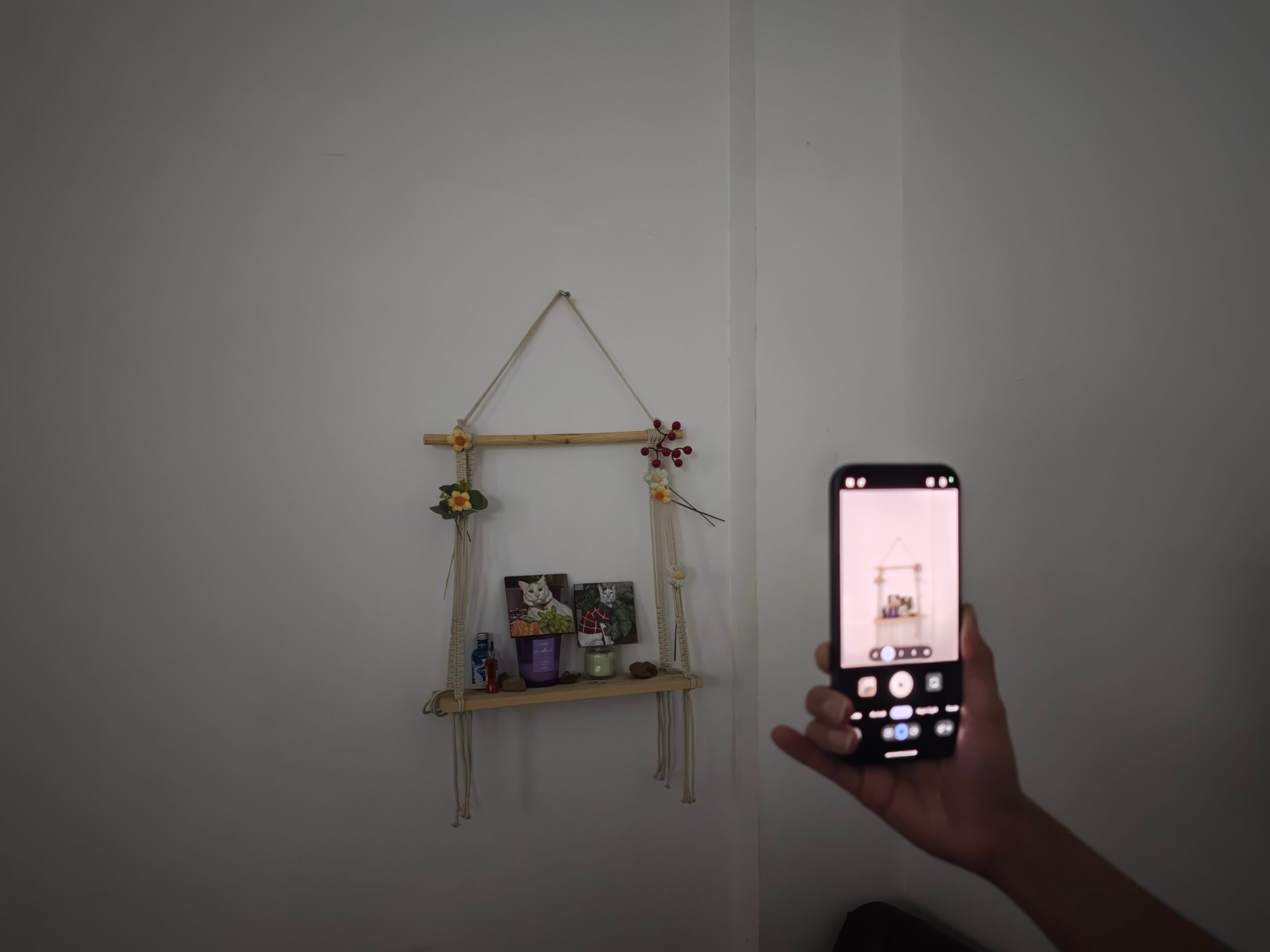
I also photographed the shelf using the Xiaomi 15, which makes for an interesting reference because its 1/1.31-inch main sensor is extremely close in size to the Pixel 11 Pro’s 1/1.3-inch main sensor. This wasn’t a controlled camera comparison, so I wouldn’t use these images to crown an overall low-light winner.
What they do show is how aggressively Google’s processing can work when very little light is available. The Xiaomi photographs remained much closer to the dim scene I could see, while the Pixel exposed the shelf, ropes, wall decorations, paintings, candles, and smaller objects far more clearly. It packed a decent amount of detail and didn’t wash out the colors too much or artificially boost them.





The other indoor shot, with a small figurine sitting beneath a harsh light beside a dark mirror, presented a different challenge. There are deep shadows across most of the frame alongside an intensely illuminated subject, yet the Pixel still extracted information from the darker areas while keeping the scene recognizably nighttime.
These harsher lighting conditions also reveal where Instant Night Sight stops being instant. When the room gets genuinely dark, capture time increases because the camera still needs enough information to construct the photograph. But again, the Pixel 11 Pro simply reaches that point less often than many phones I’ve recently used.
Google changed what made Night Sight impressive
Google introduced Night Sight with the Pixel 3 in 2018, though it wasn’t the first company to pursue handheld computational night photography. Night Sight still became one of the defining examples of Google’s computational-photography approach. When Google released it, the company described a system capable of producing detailed low-light photos without requiring a flash or tripod, and our initial testing showed just how effective the difference could be.

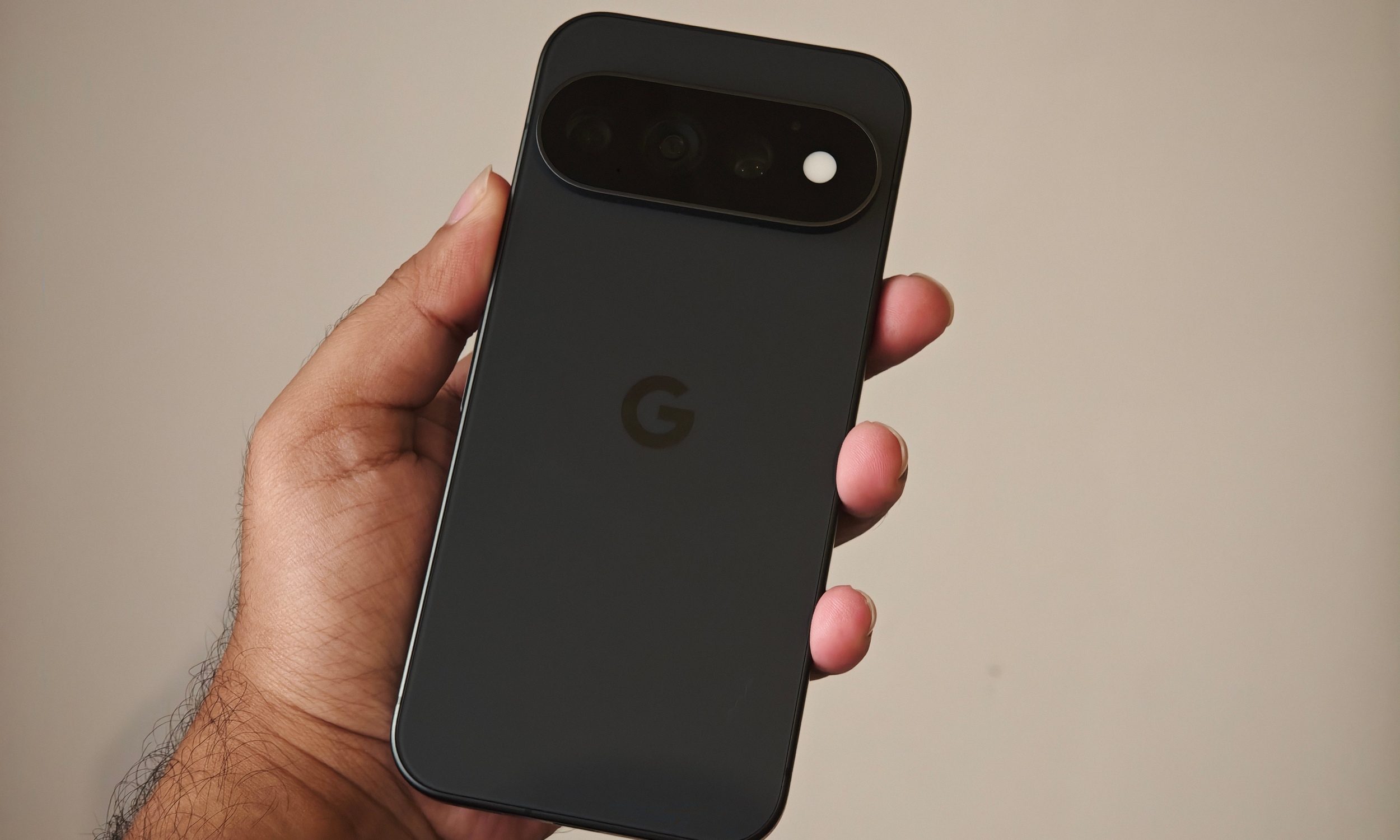
The spectacle came with an obvious compromise. You pressed the shutter and waited while the Pixel gathered what it needed, which made the technology itself part of the photographic experience. Instant Night Sight changes that relationship. Google claims that the average speedup is around three times compared with last year’s implementation.
My nighttime shots of the brightly lit storefronts, the orange building facade, and the almost completely dark room all demanded very different amounts of light. Across those situations, I spent far less time thinking about whether Night Sight was active and more time simply taking the shots.
