




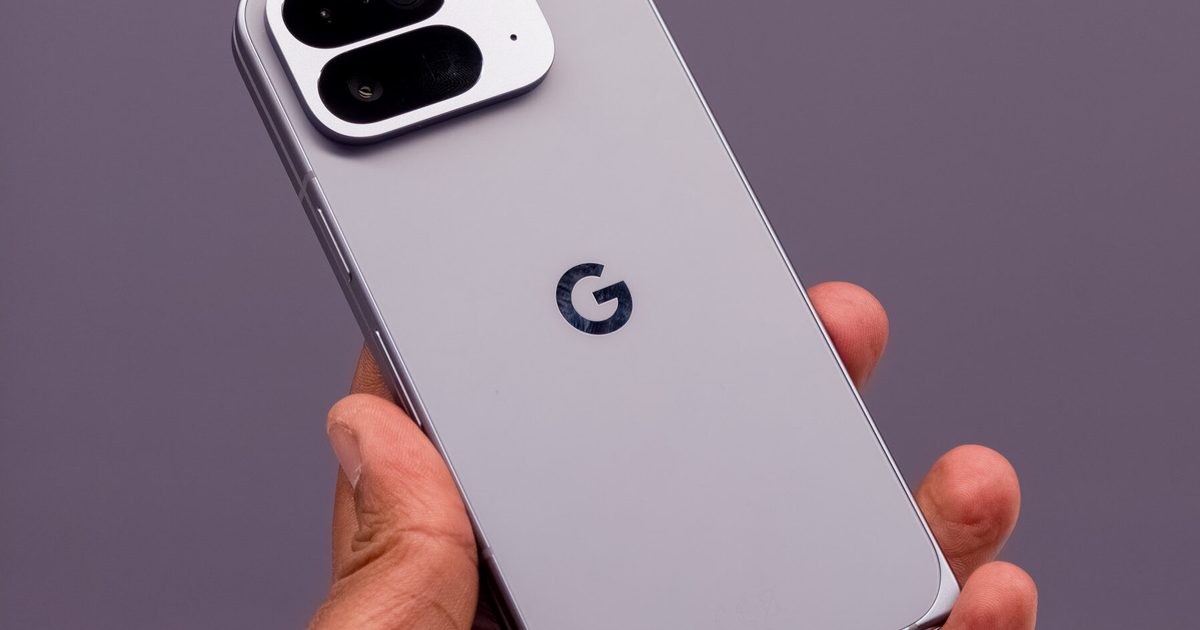
If you’ve ever watched your Pixel’s signal bars drop for no reason in a room where every other phone was fine, you already know Google has a modem problem.
A new FCC filing suggests the company might finally be doing something about it (via Android Central).
Is Google finally giving up on Samsung’s modems?
The filing for the upcoming Pixel 11 Pro Fold suggests Google is swapping out Samsung’s Exynos modem for MediaTek’s M90.
This aligns with earlier reports that the Tensor G6 chip will pair with MediaTek’s modem rather than Samsung’s. For those catching up, Google has leaned on Samsung for Tensor chip design and modem hardware since the Pixel 6, but that relationship has been fraying for a while.
Tensor G5 reportedly already jumped ship to TSMC for manufacturing. The modem looks like the next domino to fall, and the Pixel 11 Pro Fold could be the phone that makes the break official.

What does MediaTek’s M90 actually bring to the table?
This isn’t just chip-swapping for the sake of it. Samsung’s modems have been a recurring headache for recent Pixels, with owners regularly reporting weak signal, dropped connections, and battery drain that other flagships don’t seem to experience.
MediaTek’s M90 is built to fix exactly that. It supports 5G speeds up to 12 Gbps, satellite connectivity, dual-active 5G SIM support, along with AI-driven power management. Pair that with the Tensor G6’s rumored move to TSMC’s 2nm process, and you’re looking at a Pixel that lasts longer, heats up less, and offers better connectivity.
None of this is official yet. But between the leaks and now a regulatory filing, the pieces are lining up for the Pixel 11 lineup to fix the one flaw that’s followed Tensor phones for years.
The filing matters beyond the phone’s spec sheet. With modem performance now a flagship battleground, Google’s MediaTek partnership offers a quicker path to fixing Tensor’s biggest weakness than Apple’s multi-year C1 modem journey.

