

The US Federal Communications Commission is considering a move that could make things pretty awkward for drone buyers. The agency wants to expand its existing restrictions to cover certain drones with features such as LiDAR sensing, thermal imaging, and aerosol-dispersing systems. The weird part? Some of these drones were already approved for sale in the US.
In a report by DJI’s own blog, this new development puts several DJI models in the spotlight, including the Air 3S, Avata 360, and Mini 5 Pro. Under the proposal, these drones could potentially be pulled from the US market, even though the FCC had previously cleared them. And no, if you already own one, the government isn’t coming to take it away.
So what exactly is the FCC doing?
The FCC says it is looking at expanding its drone restrictions to products that it believes could have military capabilities or create particular national security risks. The agency is currently asking for public comments on the proposal.
This is basically the next step in a campaign that started in December 2025, when the FCC added foreign-made drones and their critical components to its Covered List. That initially affected upcoming products, while older drones that had already received FCC approval could continue to be sold.
Then things got broader. Last month, the FCC expanded the restrictions to cover products sold by companies suspected of rebranding DJI hardware. Now it’s considering going after specific drone capabilities as well. That’s a pretty significant change because it means the question isn’t simply “Who made this drone?” It could also become “What can this drone actually do?”
If you already own one, don’t panic just yet.
Here’s the good news: existing owners aren’t being targeted by this proposal. The FCC says a ban would not affect drones people have already purchased. The less-good news is what happens afterward. If manufacturers can’t sell additional units in the US, replacement parts could eventually become harder to get. Software features and updates could also become an issue if the restrictions make continued support more difficult.
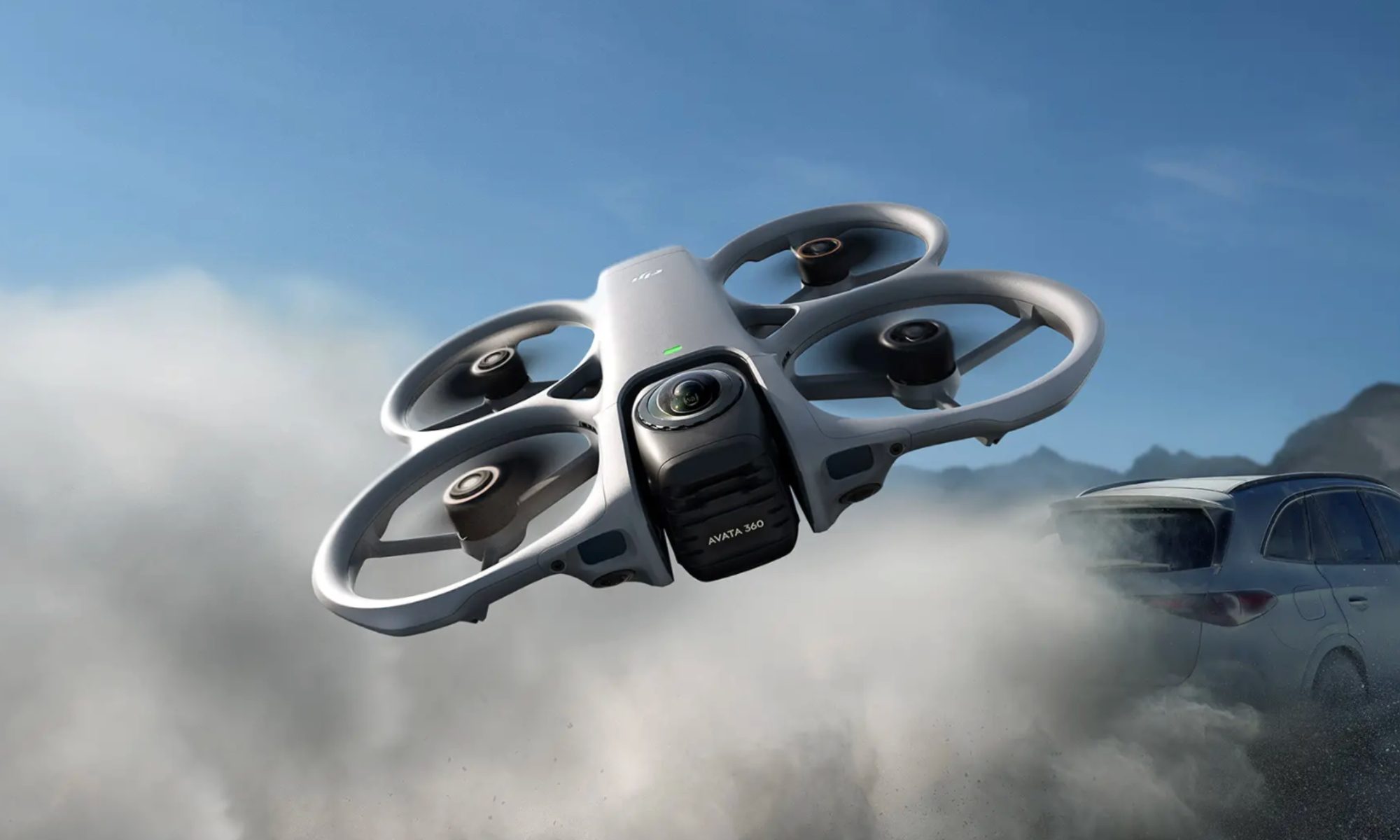
And this isn’t necessarily just a consumer problem. DJI’s commercial drones are used for things such as agricultural spraying and search-and-rescue operations, so restrictions could affect businesses and public agencies too. DJI isn’t exactly thrilled about the whole thing. The company called the FCC’s latest proposal a “total reversal” of its previous position, according to its official response. The FCC is accepting comments until September 2.
So, for now, your DJI drone isn’t suddenly illegal. But the US is moving toward a situation where a drone that was perfectly fine to sell yesterday could potentially be banned from sale tomorrow. And honestly, that’s the part worth watching.