,-The-University-of-Tokyo.jpg "Inside the Experimental Traps Scientists Set for Ghostly Neutrinos")




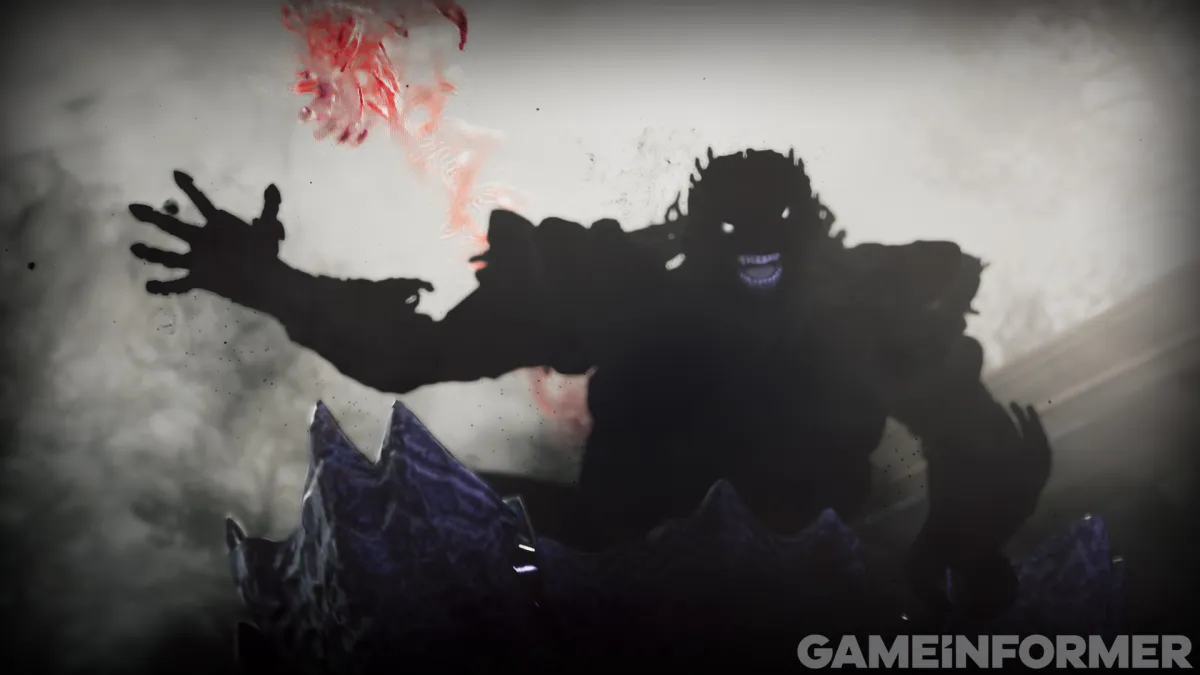
RGG Studios made a name for itself through the narrative action games in the Like a Dragon series. At a cursory glance, Stranger Than Heaven may look like it is simply using the core tenets of RGG’s most famous franchise to deliver the tale of Makoto Daito across multiple eras and cities in Japan. However, after getting my hands on it and speaking with studio head and Stranger Than Heaven executive director Masayoshi Yokoyama, it’s clear RGG is swinging bigger.
In 1915, Makoto arrives in Japan aboard a smuggler ship in Kokura, Fukuoka, one of the world’s largest metalworking hubs. However, it’s also a hub for seedy activities. As the story progresses and Makoto establishes himself in Japan, the locations and eras also progress. The story leading to Tokyo in the ’60s is inevitable, as Stranger Than Heaven tells the tale of the founding of the Tojo Clan, as it will appear later in the Like a Dragon franchise.
Though this is a major connection to RGG’s flagship franchise, the team didn’t go out of its way to add nods to the series of games that it leads into. Similarly, just because this exists in the same world and carries a similar aesthetic doesn’t mean combat feels the same. Instead, Stranger Than Heaven adds a much more intentional style of fighting that primarily utilizes the shoulder and trigger buttons; the right and left shoulder buttons are mapped to control Makoto’s right and left arms, respectively, while the triggers control his corresponding legs. You can also dodge and block directionally to land brutal counterattacks, or squeeze both triggers to grab or tackle opponents.
It sounds complex, but I played through three encounters across three eras, and by the time I finished the fights, the mechanics were singing. The first fight saw Makoto unarmed against a group of standard men in Kokura in 1915, while subsequent encounters took me to 1929 Kure and 1943 Osaka with weapons in tow. Using a large crowbar for crowd control was enthralling, and my final challenge was a one-on-one knife fight against a brutal swordsman. Though the earlier battles allowed me some degree of brute-force success, the Osaka fight against the swordsman required me to be patient and precise with my parries; one false move could cost me the vast majority of my health bar. In fact, it took me seven tries before I successfully ended his reign of terror in the streets of Osaka.
Seeing RGG develop various combat systems in parallel – two distinct Like a Dragon fighting systems, the directional combat in Stranger Than Heaven, and fighting-game mechanics in the recently unveiled Virtua Fighter Crossroads – is impressive. Not unlike its protagonists, this studio can master varied fighting styles. “It’s not really about the systems; it’s about the experiences,” Yokoyama says. “You’re able to customize the experience to fit the story, like it’s an extension to accentuate it in the best possible way. That’s why, for example, in Like A Dragon 7, we went for the turn-based system, because until then, we were having these stories where it’s single-character fights, but for Ichiban Kasuga, his story was that of fighting with friends to achieve a goal. So for that, a turn-based, party-based system just felt right. It’s the same thing for Stranger Than Heaven: having the system we chose of really tense, visceral battles really just fit the character and fit the story.”
RGG Studios’ reveals at Summer Game Fest gave new meaning to the word “Stranger,” as the cast was revealed to include not only Snoop Dogg, but also the late Tupac Shakur, who has been dead for almost 30 years. The reaction in the gaming community was mixed, with many questioning how respectful it was to include the legendary rap artist in the role, and if the likeness would be handled with care. After Snoop Dogg was cast in the role of Orpheus, Makoto’s best friend, the hip-hop artist recommended Tupac’s likeness for the role of Amaru. RGG worked closely with Snoop, Shakur’s likeness owner, Amaru Entertainment, and Shakur’s family and intend for his depiction to honor the rapper without disrespecting him.
I did not get to see Amaru in my gameplay, but it does assuage initial worries that the studio didn’t involve anyone from the late rapper’s family. We won’t know for sure until Stranger Than Heaven is out early next year, but Yokoyama’s caution on the topic gives me hope. by Brian Shea