



.jpg "How to Claim Your Cut of Apple’s 0 Million Siri Settlement")



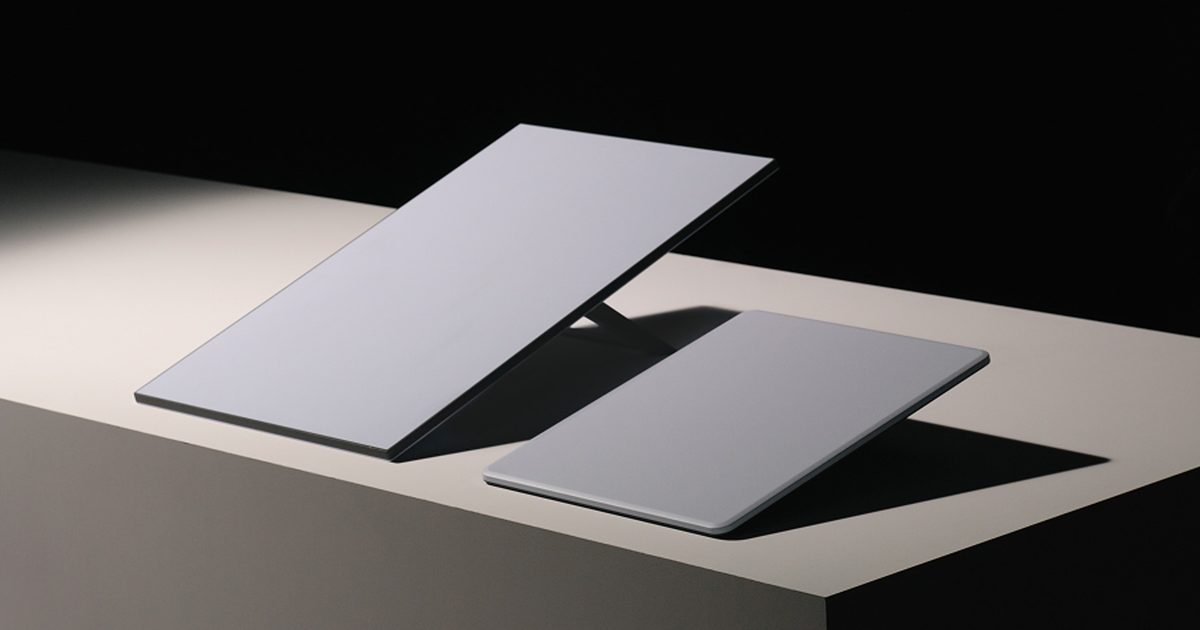
Not every hardware upgrade needs to be about speed. With Starlink V5, SpaceX is betting that a lighter design and lower power consumption matter just as much. The company has officially introduced its next-generation Starlink V5 kit, featuring a smaller and lighter design with significantly improved power efficiency.
Smaller, lighter, and far more efficient
According to Starlink, the new hardware can deliver download speeds of up to 375 Mbps, making it suitable for streaming, video calls, gaming, and other bandwidth-intensive tasks. The kit is currently available in select markets, with a wider rollout planned as production ramps up.
Unlike previous hardware refreshes that focused heavily on performance gains, the biggest improvements with Starlink V5 are all about efficiency. The new dish has a smaller footprint, weighs less than the outgoing V4 model, and consumes considerably less power during operation. That makes it easier to install while also reducing long-term electricity usage, making it particularly useful for users running Starlink on solar power, RVs, boats, or backup battery systems.
| Hardware | Starlink V4 | Starlink V5 |
| Peak Download Speeds | 400+ Mbps | 375+ Mbps |
| Product Dimensions | 23.4 in x 15.1 in x 1.5 in | 15.12 in x 12.05 in x 1.34 in |
| Weight | 6.4 lb | 2.4 lbs |
| Power Consumption | Average: 75 – 100 W | Average: 35 – 50 W |
| Router Compatibility | Compatible with Router 2, 3, and Router Mini | Compatible with Router 2, 3, and Router Mini |
According to SpaceX, the redesigned hardware delivers greater power efficiency than the Starlink V4 while maintaining the same headline speeds. Independent coverage also notes that power consumption has been reduced significantly without sacrificing overall connectivity, making this one of the most practical upgrades to the Starlink kit in recent years.
Built for everyday connectivity
Despite the engineering changes, Starlink isn’t positioning the V5 as a performance monster. Instead, it continues to target everyday internet use, with support for 4K streaming, video conferencing, cloud gaming, and multi-device households. The company says users can expect download speeds of up to 375 Mbps, although real-world performance will continue to depend on network congestion, satellite visibility, and location.
The new hardware also retains compatibility with Starlink’s expanding low-Earth orbit satellite network, which continues to grow as SpaceX launches additional satellites on a regular basis. That means the V5 benefits not just from new hardware, but also from ongoing improvements to the wider Starlink ecosystem.
Starlink V5 isn’t about chasing headline-grabbing speed numbers. Instead, SpaceX has focused on making the hardware smaller, lighter, and more power-efficient. These are all upgrades that could matter far more in day-to-day use, especially for new users or those running off-grid setups. Sometimes, the smartest improvements are the ones users barely notice.
