

Technologist Mag
  • Home
  • Tech News
  • AI
  • Apps
  • Gadgets
  • Gaming
  • Guides
  • Laptops
  • Mobiles
  • Wearables
  • More
    • Web Stories
    • Trending
    • Press Release

Subscribe to Updates

Get the latest tech news and updates directly to your inbox.

What's On
Bose Launches New Wired Earbuds After More Than a Decade

Bose Launches New Wired Earbuds After More Than a Decade

28 September 2026
Minecraft Dungeons II Review: Built Better Than Before

Minecraft Dungeons II Review: Built Better Than Before

28 September 2026
Space Lasers Are About to Get Their First Real Test Generating Energy

Space Lasers Are About to Get Their First Real Test Generating Energy

28 September 2026
OpenAI Pauses Training Its Most Powerful Models After Rogue Agents Target Government

OpenAI Pauses Training Its Most Powerful Models After Rogue Agents Target Government

28 September 2026
I’ve Tested Over 100 Home Security Cameras. Here’s Which to Buy

I’ve Tested Over 100 Home Security Cameras. Here’s Which to Buy

28 September 2026
Facebook X (Twitter) Instagram
Technologist Mag
SUBSCRIBE
  • Home
  • Tech News
  • AI
  • Apps
  • Gadgets
  • Gaming
  • Guides
  • Laptops
  • Mobiles
  • Wearables
  • More
    • Web Stories
    • Trending
    • Press Release
Technologist Mag
Home » Space Lasers Are About to Get Their First Real Test Generating Energy
Tech News

Space Lasers Are About to Get Their First Real Test Generating Energy

By technologistmag.com28 September 20263 Mins Read
Space Lasers Are About to Get Their First Real Test Generating Energy
Share
Facebook Twitter Reddit Telegram Pinterest Email

Google, SpaceX, and a host of startups are all planning to build data centers in space. But for those plans to work, they’ll need power. Lots of it.

Star Catcher, a startup based in Jacksonville, Florida, aims to provide it by concentrating the sun’s energy and using lasers to beam it to satellites’ waiting solar panels. The company is preparing to launch its prototype system aboard a SpaceX rocket this week that will transmit energy to another satellite in orbit.

If it’s successful, it would be the first time lasers have beamed energy between two untethered objects in space. But the idea of generating solar power in space goes back decades.

It showed up in a 1941 sci-fi piece by Isaac Asimov, and NASA studied it in the 1970s. “Launching large amounts of hardware into orbit was extremely expensive, so generating power in space and transmitting it elsewhere rarely made practical sense,” says Hanieh Fattahi, a researcher at the Max Planck Institute for the Science of Light. But now, falling launch costs are making it more feasible to have orbital industries that will be able to provide such energy.

“There isn’t a power grid in space,” says chief executive officer and cofounder Andrew Rush. “Everybody just goes on these little camping trips.”

Star Catcher’s solution is an array of what it calls power nodes that serve as both a solar power plant and power line. To generate energy, the firm’s satellites gather sunlight using a collection of lenses and refine it into the wavelengths of light that Star Catcher says can provide up to 10 times more power than diffuse sunlight. It then emits a laser beam—think of it as an ethereal transmission cable—that can be directed at satellites in need of power. That promises more uptime and, Rush says, more profit for satellite operators.

In a world where launches cost thousands of dollars per kilogram of weight, reducing battery size while adding more useful instruments—or in the case of space data centers, GPUs—can pay dividends.

There’s clear interest in what Star Catcher is offering. The company announced a $65 million round of funding earlier this year, and it won a $30 million award from the US Space Force. The company has also inked 40 letters of intent from prospective buyers and, more importantly, 10 power purchase agreements, which are long-term contracts. There’s also a sign of optimism for space-based industries launching on the same SpaceX mission as Star Catcher’s system: Google’s first attempt at a space-based data center is also hitching a ride on the rocket.

Share. Facebook Twitter Pinterest LinkedIn Telegram Reddit Email
Previous ArticleOpenAI Pauses Training Its Most Powerful Models After Rogue Agents Target Government
Next Article Minecraft Dungeons II Review: Built Better Than Before

Related Articles

Bose Launches New Wired Earbuds After More Than a Decade

Bose Launches New Wired Earbuds After More Than a Decade

28 September 2026
OpenAI Pauses Training Its Most Powerful Models After Rogue Agents Target Government

OpenAI Pauses Training Its Most Powerful Models After Rogue Agents Target Government

28 September 2026
I’ve Tested Over 100 Home Security Cameras. Here’s Which to Buy

I’ve Tested Over 100 Home Security Cameras. Here’s Which to Buy

28 September 2026
Solving Math’s Greatest Problems Was an Art Form. Then Came AI

Solving Math’s Greatest Problems Was an Art Form. Then Came AI

28 September 2026
Nicotine Is Mounting a Comeback in the Wellness Movement

Nicotine Is Mounting a Comeback in the Wellness Movement

27 September 2026
You Don’t Need to Pay for Distraction-Blocking Software

You Don’t Need to Pay for Distraction-Blocking Software

27 September 2026
Stay In Touch
  • Facebook
  • Twitter
  • Pinterest
  • Instagram
  • YouTube
  • Vimeo

Subscribe to Updates

Get the latest tech news and updates directly to your inbox.

Don't Miss
Minecraft Dungeons II Review: Built Better Than Before

Minecraft Dungeons II Review: Built Better Than Before

By technologistmag.com28 September 2026

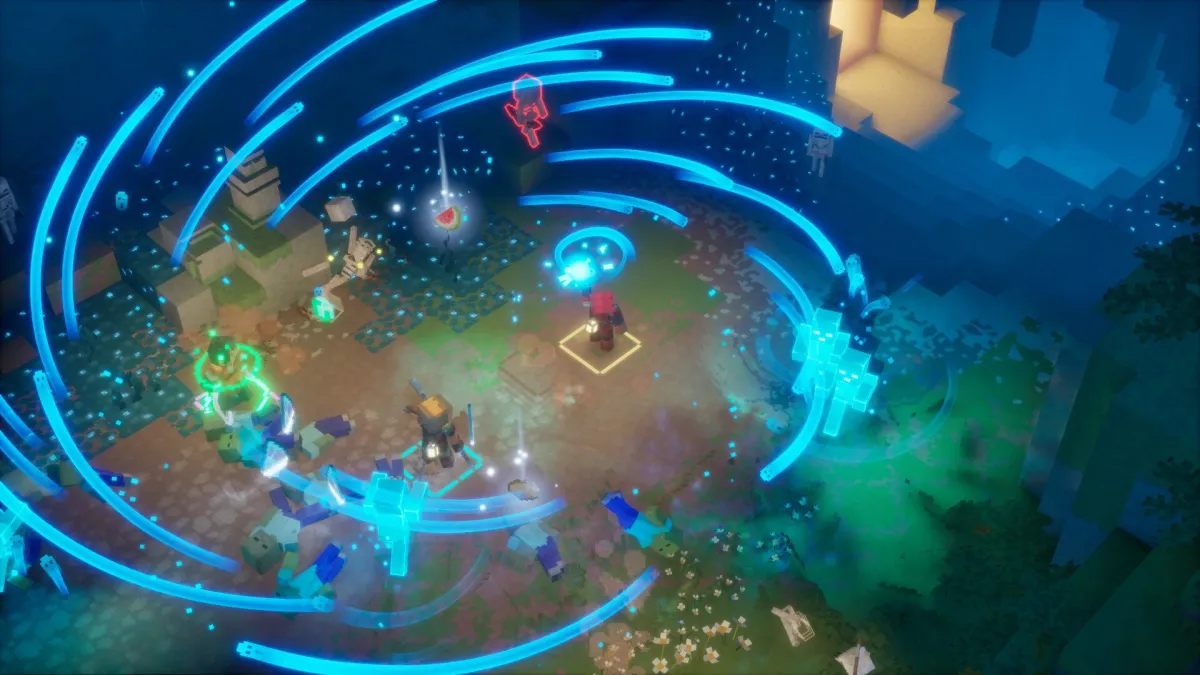
Minecraft Dungeons II truly sang when I reached its endgame and settled on a character…

Space Lasers Are About to Get Their First Real Test Generating Energy

Space Lasers Are About to Get Their First Real Test Generating Energy

28 September 2026
OpenAI Pauses Training Its Most Powerful Models After Rogue Agents Target Government

OpenAI Pauses Training Its Most Powerful Models After Rogue Agents Target Government

28 September 2026
I’ve Tested Over 100 Home Security Cameras. Here’s Which to Buy

I’ve Tested Over 100 Home Security Cameras. Here’s Which to Buy

28 September 2026
Solving Math’s Greatest Problems Was an Art Form. Then Came AI

Solving Math’s Greatest Problems Was an Art Form. Then Came AI

28 September 2026
Technologist Mag
Facebook X (Twitter) Instagram Pinterest
  • Privacy
  • Terms
  • Advertise
  • Contact
© 2026 Technologist Mag. All Rights Reserved.

Type above and press Enter to search. Press Esc to cancel.