






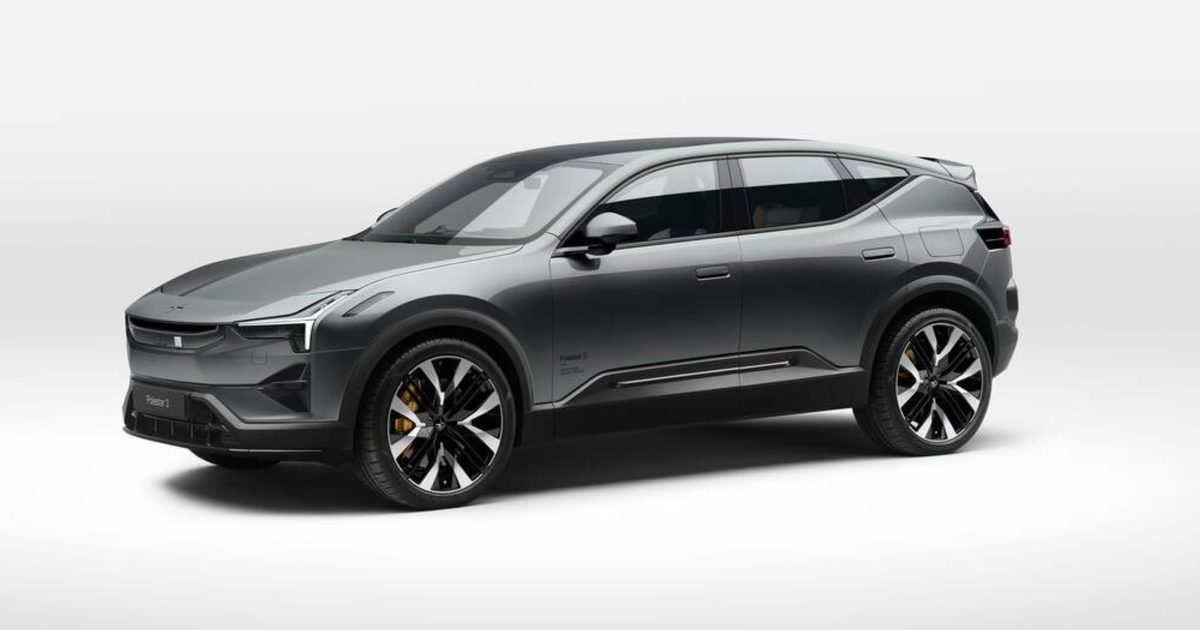
Polestar, the Swedish EV brand controlled by China’s Geely, has been denied authorization under the US Connected Vehicle Rule. As a result, it will not be able to sell vehicles in the US from the 2027 model year onward. The company is not disappearing from American roads overnight. Polestar says it will continue selling existing US inventory of the Polestar 3 and Polestar 4, and current owners will still have access to service support. But for future models, the door is effectively closing unless something changes.
Polestar made minimalism look expensive
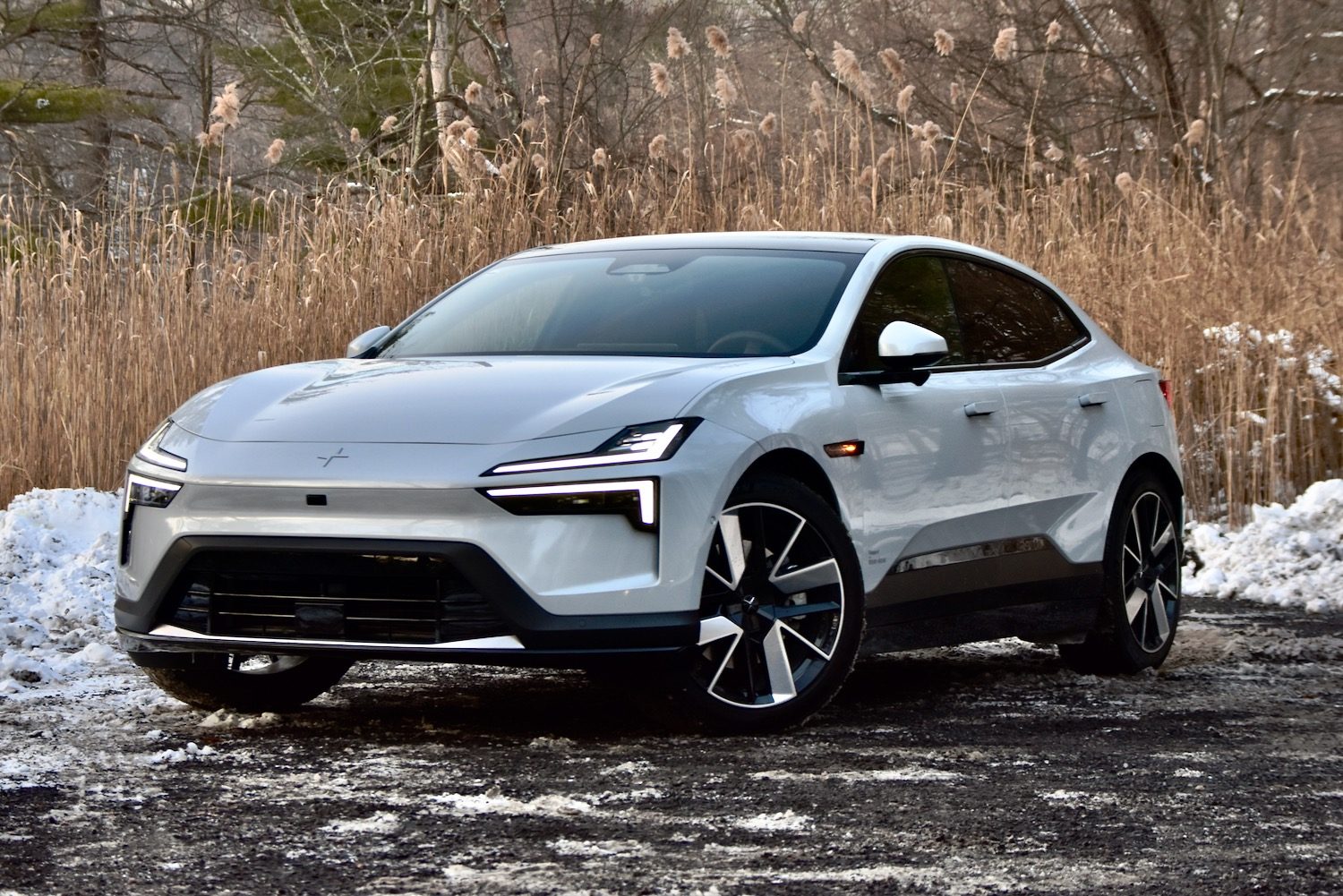
Polestar was never the loudest EV brand. Its cars have always carried a cleaner, more architectural personality than most rivals. Many compared the Polestar 2 to a Volvo side project, while the Polestar 3 brought that design language into the SUV territory. The Polestar 4 made things a little odd with its coupe-SUV shape and no rear window. But their designs were known for blending gorgeous Scandinavian minimalist design with track-tuned performance.
Not every Polestar has been perfect. The brand has had the usual EV startup-adjacent problems. Pricing pressures, a limited lineup, and the Herculean task of standing out in a market filled with giants like Tesla. But design was never the weak point. Its cars were premium without screaming for attention.

Why Polestar is being banned in the US
The US decision comes under connected vehicle rules aimed at cars with links to Chinese or Russian software and hardware. Polestar’s Geely ownership puts it in the crosshairs, even though the company is headquartered in Sweden. The outcome seems surprising considering how Volvo, another Geely-owned company, was recently granted authorization to keep selling vehicles in the US.
With this announcement, the company has started shifting its attention to Europe, which already represents the majority of its retail sales. The company also says most of its sales in the first quarter of 2026 came from outside the US, so this decision does not arrive as a death blow to the brand globally.
