






Some smartphone accessories, like power banks, are quite useful, while others are cute for about five minutes before the novelty wears off. The Oppo Bubble looked like it was going to be part of that latter, but I had too much fun with it, and now I want more accessories to be this way. One that doesn’t take itself too seriously, without missing out on some well-thought-out functionality.
I used it with the Oppo Reno 16 Pro, which already has one of the flashier phone designs I have seen this year. The Pop White version has Oppo’s 3D Pop Planet look on the back, giving it this floating, toy-like visual effect. Snap the Bubble onto the rear, and it’s all iced out.
How this tiny screen has a lot of personality
The Bubble is basically a small circular AMOLED display that attaches magnetically to the back of a compatible Oppo phone. It connects over Bluetooth, and once paired, it becomes this tiny customizable screen that can show images, short videos, motion-style visuals, or Oppo’s animated Pop IP characters.
The last one is a cute little addition that lets you have a tiny animated animal sitting on the back of your phone for no practical reason beyond the fact that it looks adorable. There is a dedicated app for finer controls, including the different Pop IP options and custom display choices. The Bubble also has some self-contained controls, including brightness adjustment and Bluetooth pairing. So it never feels like a completely passive sticker with a screen.

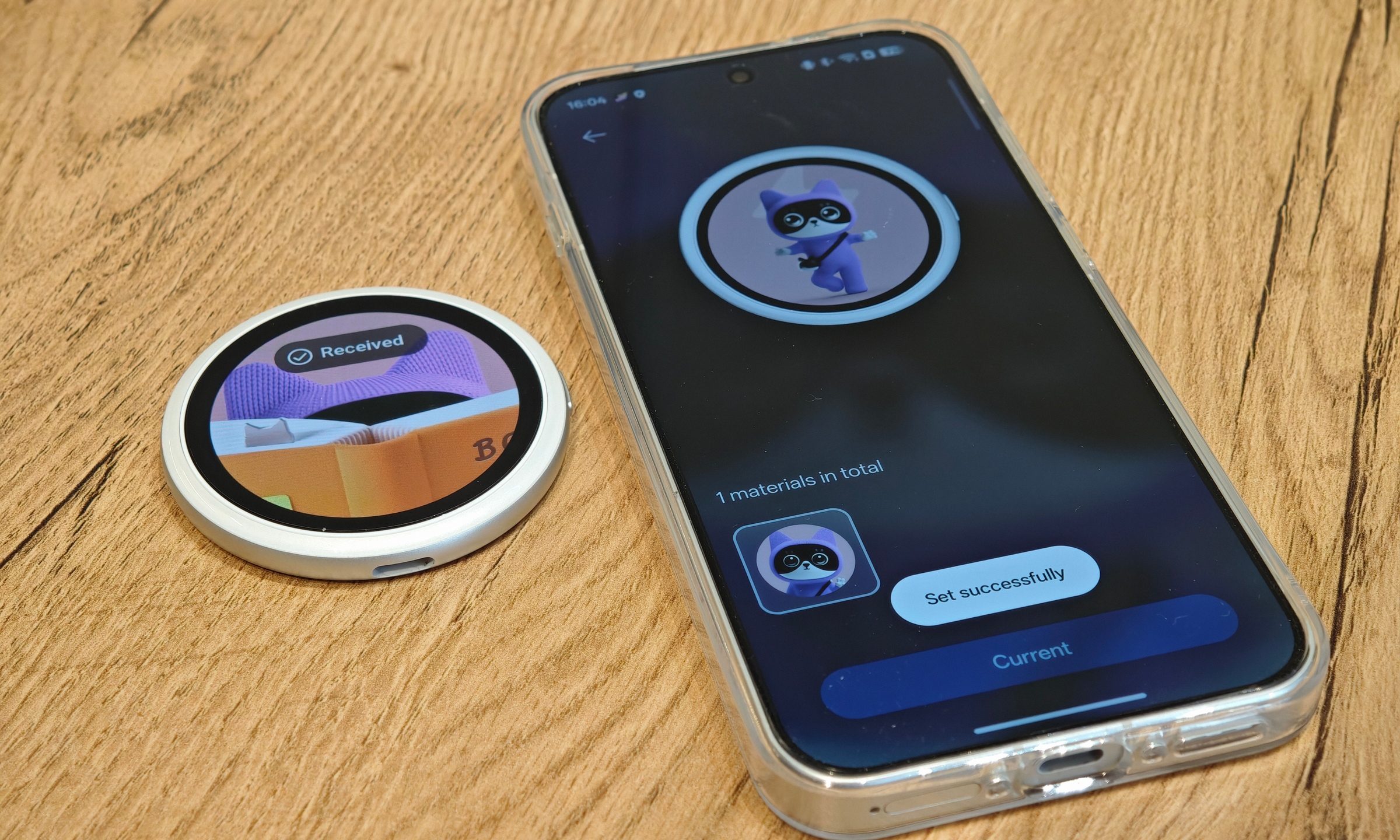
And yes, it is very much a style accessory. You can set it to show a picture, a looping clip, or an animated character, which makes your phone a lot more expressive than a protective case. Most phones have reached a point where they look expensive in the same few ways, and the Bubble helps the Reno 16 Pro offer a more personal experience.
Nothing beats the camera preview feature
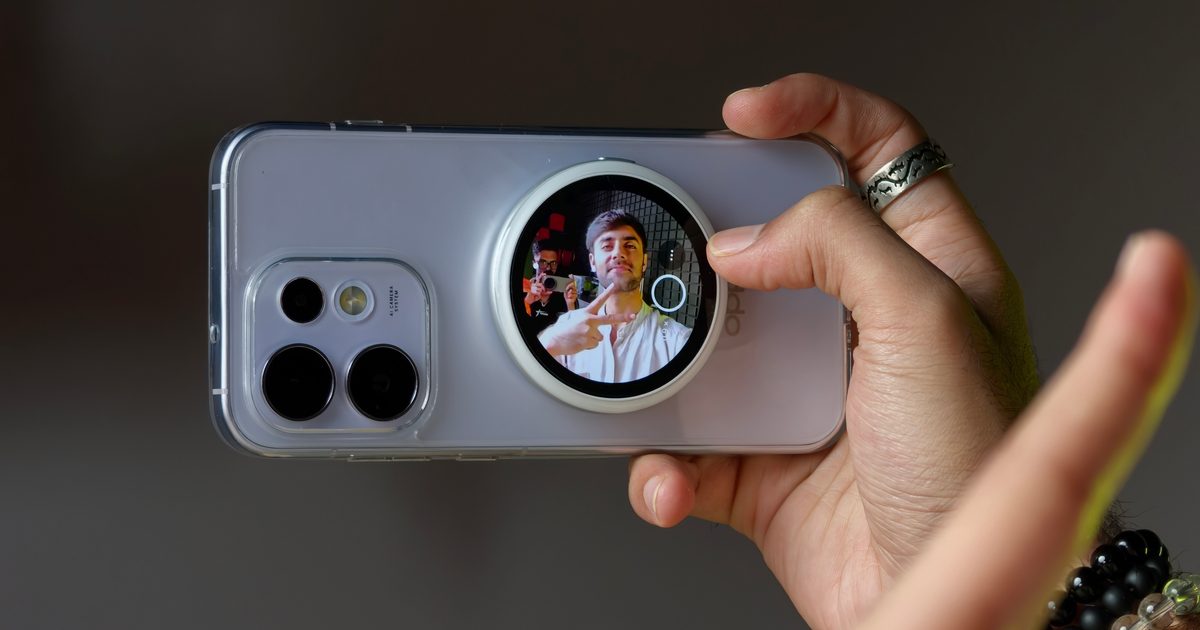
Oppo’s Bubble display would’ve been a fun magnetic accessory just with these customization options alone. But what really sells it to me was the camera integration. Once attached, it can work as a live viewfinder for the rear camera. So you can turn the phone around and use the better rear cameras for selfies, portraits, or group shots without having to guess your framing. You can see yourself on the Bubble and see the adjustments in real time before taking the picture.
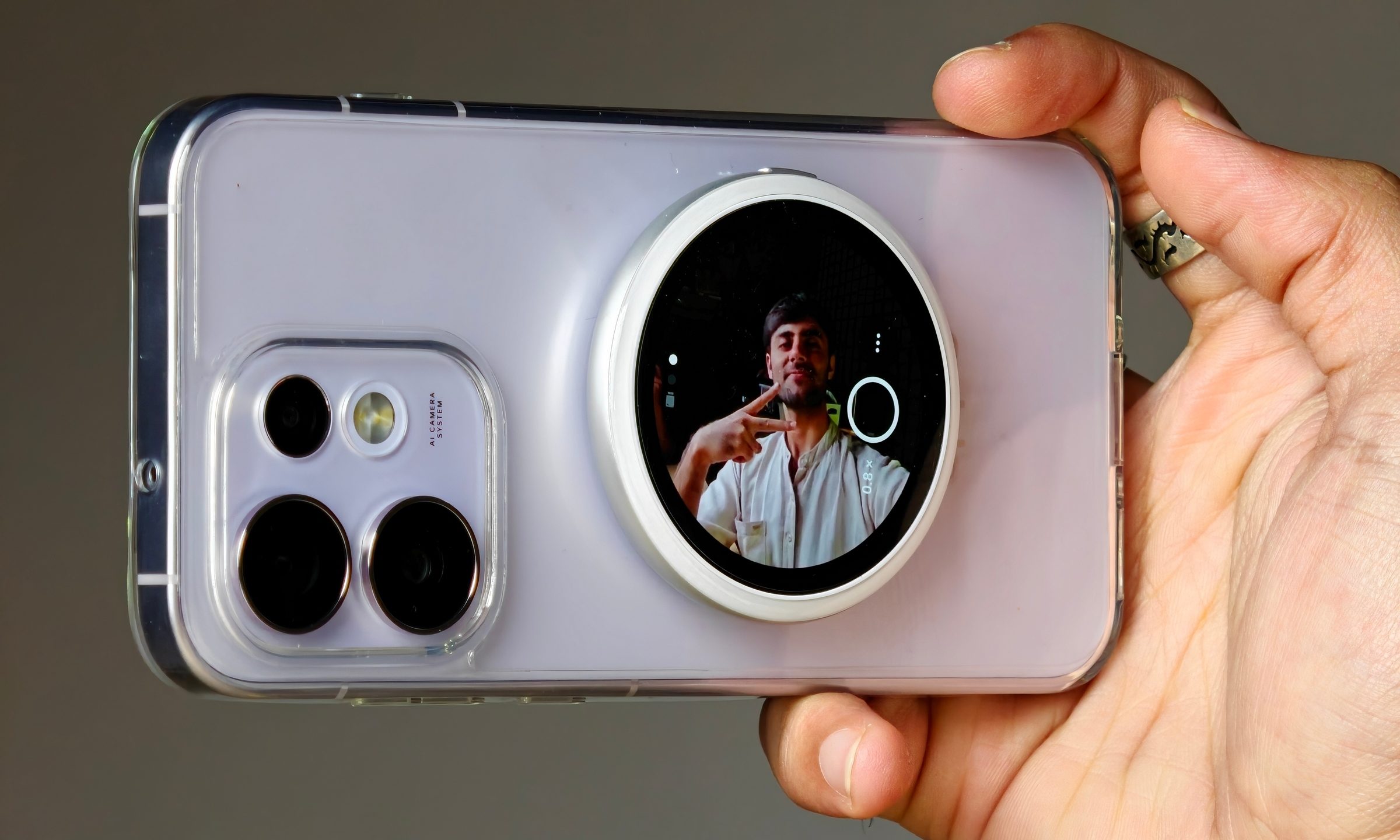
This immediately solves one of the oldest smartphone camera problems. Rear cameras are almost always better than front cameras, especially for portraits and low-light shots, yet most people still use the selfie camera because framing with the rear camera is usually not worth the hassle.
That’s also one of the biggest advantages of foldable devices. They leverage the more advanced rear cameras for photography thanks to their secondary displays, which is something I rely on quite often with the Motorola Razr Fold. Oppo’s Bubble basically lets you do exactly that more naturally on a regular phone.
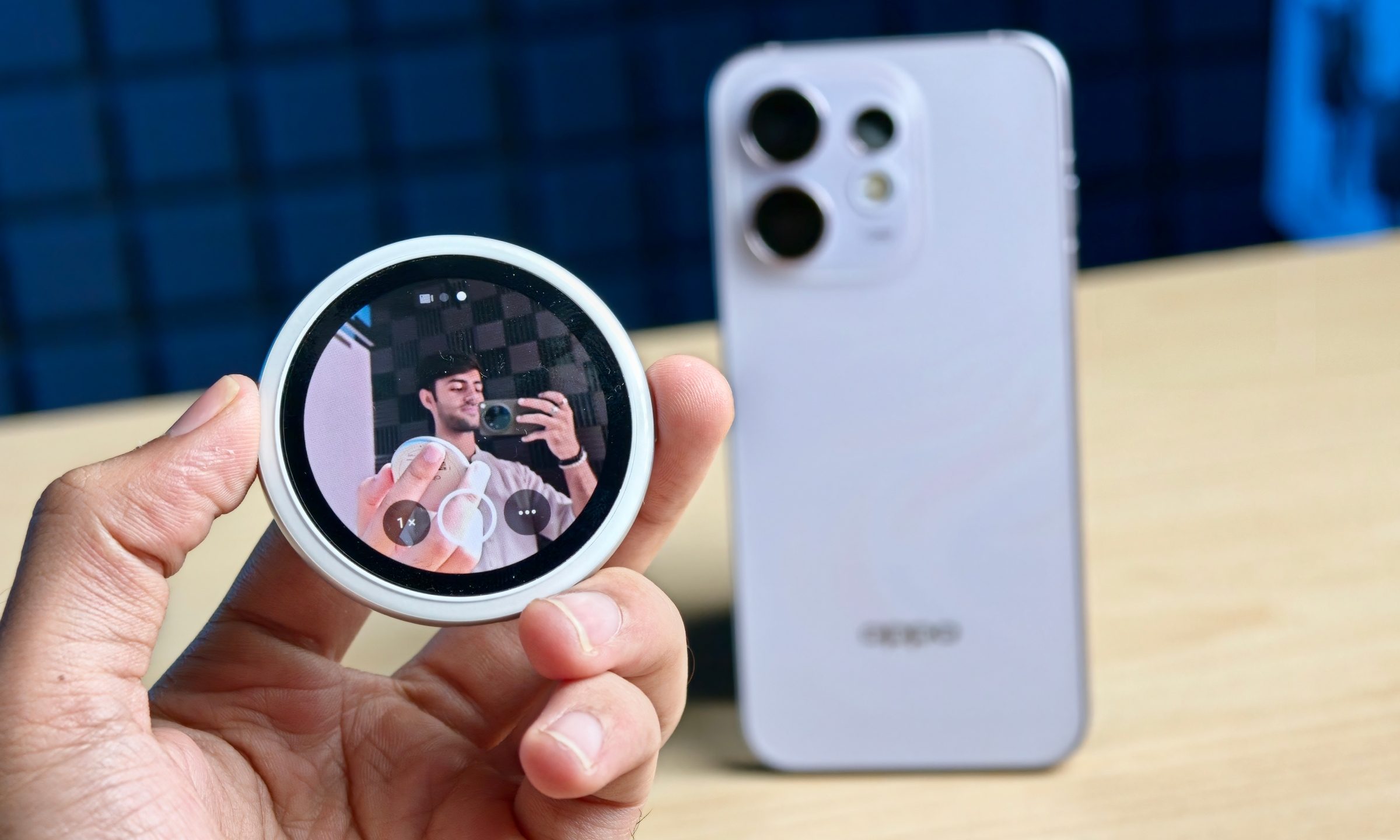
Now, your portraits are much more detailed, group shots can accommodate a large group with a proper ultra-wide lens, and even videos are sharper. Since this works wirelessly, you can even use it as a remote camera control. This opens up more fun angles. Place the phone somewhere, step back, and you can use the Bubble to make the perfect frame and capture the shot.
Compatibility is the catch
The curse of a closed ecosystem returns here. Oppo’s new Bubble display only works with supported Oppo devices. I used it with the Reno 16 Pro, and Oppo currently lists support for devices including the Reno 16 series and its flagship Find X9 lineup. There’s a good possibility that more models will get support for it later, but that doesn’t make it more universal outside of the brand’s smartphones.
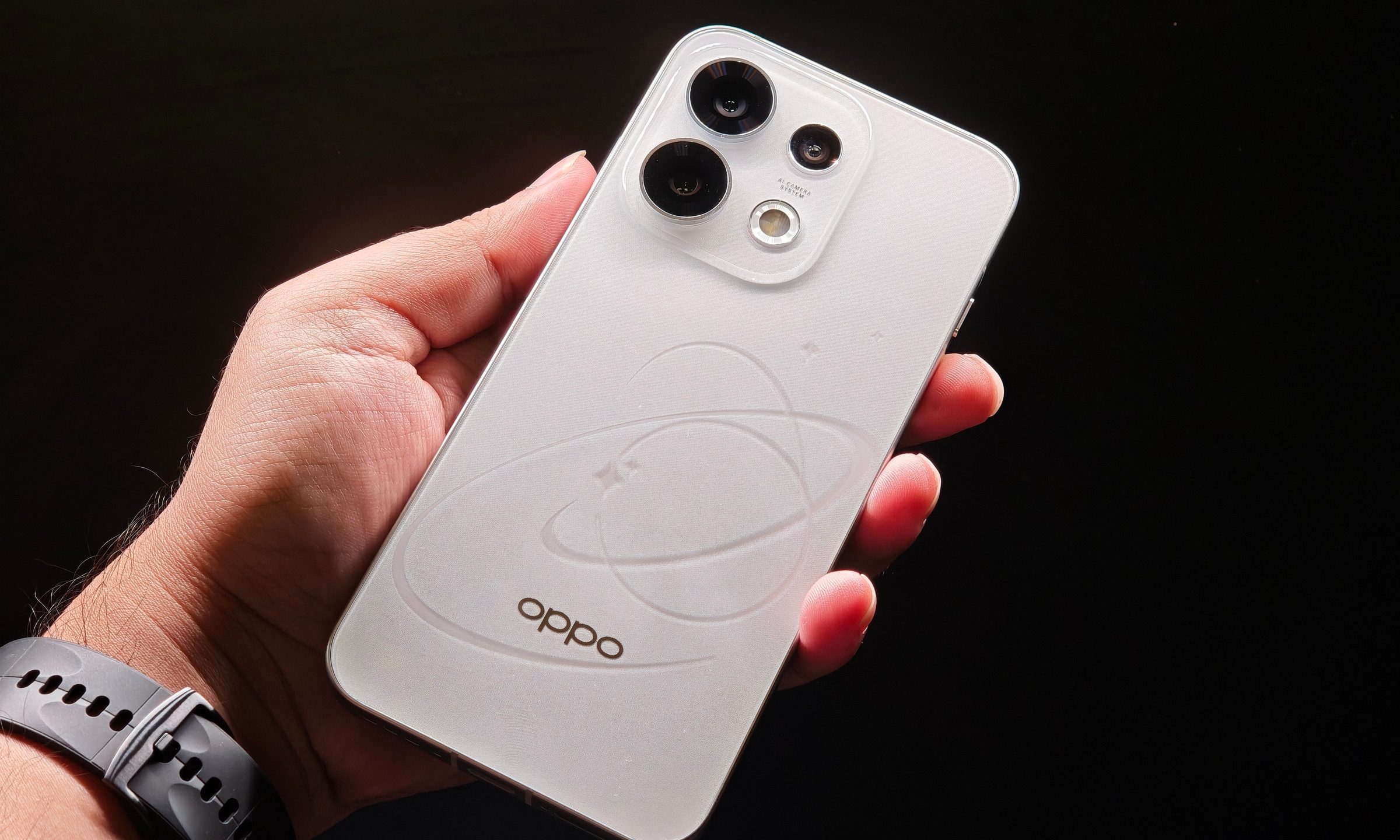
It is also very important to note that it is not compatible with MagSafe. So you can’t just slap it onto any iPhone or Android device with built-in magnets. It may physically attach with the right magnetic ring or case (the grip likely won’t be strong), but the useful camera and customization features depend on Oppo’s ecosystem. While this limits the audience, the Bubble works seamlessly with the right devices. Pairing was straightforward, and the way it ties into the camera experience makes it feel more integrated than a generic external screen.
With how predictable the smartphone experience has become, it is always refreshing to see a smartphone brand try out more new things. You usually leave the wacky or unique peripherals to third-party accessory makers, but the Bubble was interesting enough to make people around me ask, “Wait, what’s that?”
