









For months, reports have suggested that OpenAI’s first hardware product would be a screen-free smart speaker designed to act more like an AI companion. We already knew it could understand its surroundings, be carried around the home, and proactively help users. A new Bloomberg report now gives us a clearer picture of what the device may actually look like.
As per the report, OpenAI’s first gadget will be shaped like a doughnut and measure about the same size as a hockey puck. You will be able to carry it between rooms or leave it nearby on whatever surface is convenient. The device is expected to be on the expensive side, as the company has pondered pricing it around $300 to $400. A release is currently planned for 2027.
A smart speaker you are meant to carry around
Previous reports suggested that the device could control smart-home appliances, play media, answer questions, respond to messages, and use ChatGPT to help throughout the day. Voice will serve as the main interface, but the device will also have a camera and environmental sensors. Those additions could let the AI understand what is happening around it instead of relying entirely on spoken instructions. Apple is exploring a similar concept for future AirPods, which could use built-in cameras to understand the wearer’s surroundings.
OpenAI also expects it to become more familiar with its owner over time. Conversations could change according to a person’s routines, preferences, and past interactions, allowing the assistant to offer help before someone reaches for a phone or types a prompt. Of course, the device will have access to advanced models for human-like conversations. OpenAI has already made considerable progress in this area through the recent introduction of ChatGPT Live.
Its body could become part of the interface
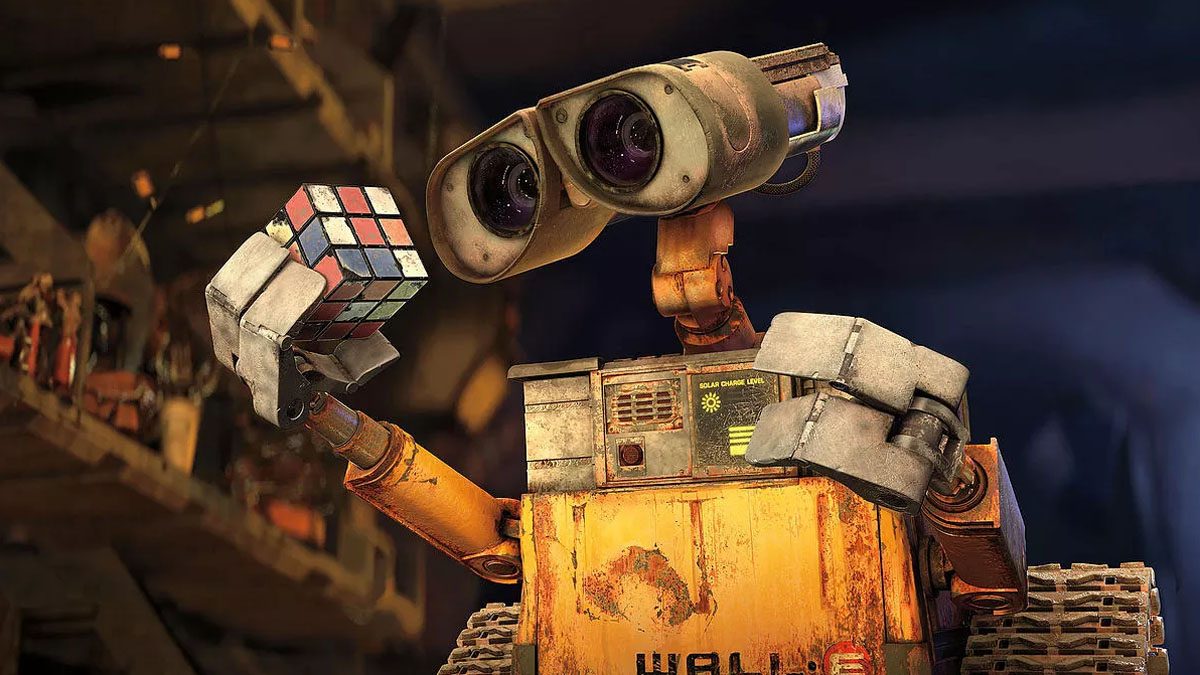
Microphones and speakers will handle conversations, while lights will show when the AI is listening or responding. Parts of the device will also move during interactions, giving it the presence of a small robot rather than a speaker sitting passively in the room. The comparison that comes to mind is WALL-E or R2-D2. Their movements and reactions make them feel alive, aware, and emotionally present. OpenAI seems to be pursuing a similar effect by giving ChatGPT a physical form and an expressive personality.

I still have questions about how all of this will work in practice. A moving, doughnut-shaped AI companion could easily feel gimmicky if the design or motion is even slightly off. OpenAI is collaborating with legendary former Apple design chief Jony Ive and his LoveFrom studio on the device, which gives me some confidence that the final execution will feel polished rather than toy-like.
OpenAI president Greg Brockman has already confirmed that the company is building a family of devices, and this small companion could be the first to give ChatGPT a physical presence in users’ homes.
