






Firefox users on iPhone finally get something Android and desktop users have enjoyed for a while: a real way to block ads without hunting down a separate extension for Firefox. Mozilla officially launched Ad Blocker for Firefox on iOS today, after testing it over the past few weeks.
How the new ad blocker works on iOS
The feature relies on Apple’s WebKit Content Blocker technology paired with the EasyList filter, which is a community-maintained list that identifies known ad and tracker sources. That combination lets Firefox strip out most third-party ads and trackers before they even load, cutting down on clutter and saving you some bandwidth along the way. This is the latest move in Mozilla’s yearslong campaign against ad-based tracking.
However, you should also know what this feature can (and cannot) do. Ads served directly by the website itself will still show up, as will ads inside search results. Firefox’s own sponsored shortcuts on the new tab page are treated separately too, so don’t expect those to disappear.
How to turn on Firefox’s ad blocker on iOS?
You’ll need to turn this on yourself, since Mozilla is keeping it off by default. First, go to Settings, then Browsing, then Ad Blocker to enable it, or toggle it quickly from the site menu whenever you’re browsing.
The ad-blocker works alongside Firefox’s existing Enhanced Tracking Protection, giving iOS users two layers of privacy tools. Notably, Firefox is actually late to this particular party, since Brave, Opera, and Vivaldi already offer built-in ad blocking on their own iOS browsers.
Firefox 155 update: what else is new?
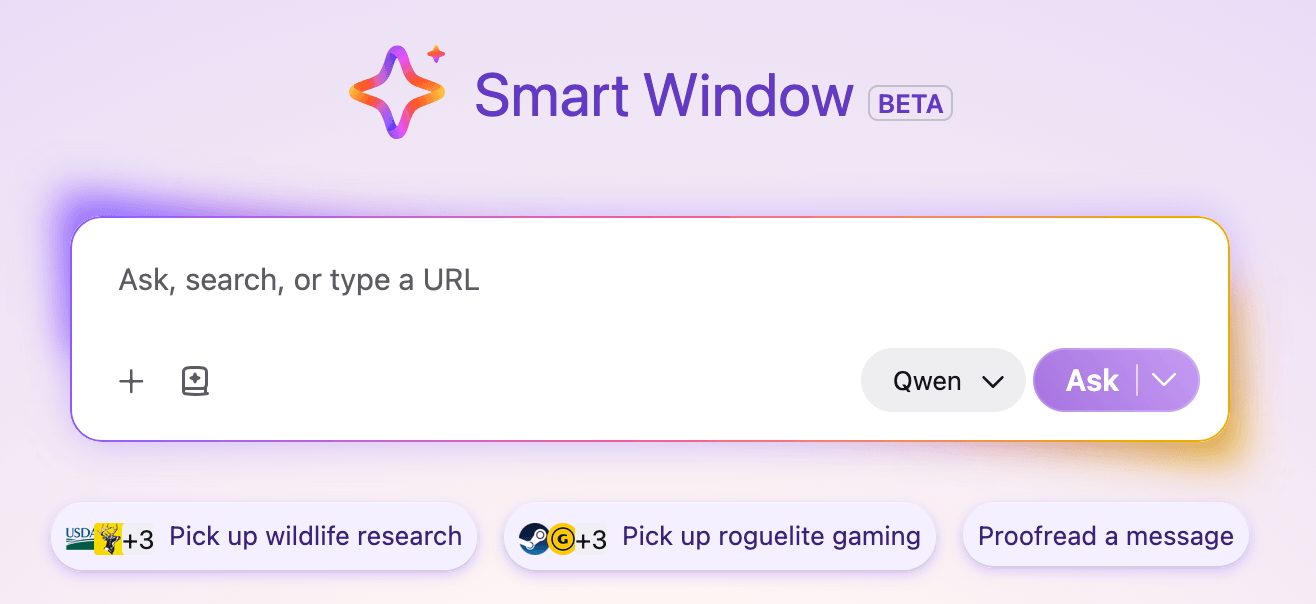
This rollout lands alongside Firefox 155, which brings a handful of other changes too. Smart Window, Mozilla’s AI-assisted browsing feature, is expanding to more users in the US, Canada, and France, picking up faster responses and smarter tab organization along the way.

Organize Tabs feature also got smarter. It now suggests better grouping for related tabs and gives each group a clear descriptive name. The update also adds a visible tracker count right in the address bar, plus a batch of smaller bug fixes across desktop and mobile.
