





Technologist Mag
  • Home
  • Tech News
  • AI
  • Apps
  • Gadgets
  • Gaming
  • Guides
  • Laptops
  • Mobiles
  • Wearables
  • More
    • Web Stories
    • Trending
    • Press Release

Subscribe to Updates

Get the latest tech news and updates directly to your inbox.

What's On
A New Chatbot Wants to Unlock the Secrets in Tattered Ancient Greek Records

A New Chatbot Wants to Unlock the Secrets in Tattered Ancient Greek Records

22 September 2026
A New Tool Found Malware That’s Guided by an AI Hive Mind—No Humans in Sight

A New Tool Found Malware That’s Guided by an AI Hive Mind—No Humans in Sight

22 September 2026
I Built AI Clones of My Coworkers. Things Got Weird

I Built AI Clones of My Coworkers. Things Got Weird

22 September 2026
How to Claim Your Cut of Apple’s 0 Million Siri Settlement

How to Claim Your Cut of Apple’s $250 Million Siri Settlement

22 September 2026
Is a Home Security System Subscription Worth It? (2026)

Is a Home Security System Subscription Worth It? (2026)

22 September 2026
Facebook X (Twitter) Instagram
Technologist Mag
SUBSCRIBE
  • Home
  • Tech News
  • AI
  • Apps
  • Gadgets
  • Gaming
  • Guides
  • Laptops
  • Mobiles
  • Wearables
  • More
    • Web Stories
    • Trending
    • Press Release
Technologist Mag
Home » Microsoft wants you to ditch SMS passwords as AI makes phishing harder to stop
Tech News

Microsoft wants you to ditch SMS passwords as AI makes phishing harder to stop

By technologistmag.com13 August 20262 Mins Read
Microsoft wants you to ditch SMS passwords as AI makes phishing harder to stop
Share
Facebook Twitter Reddit Telegram Pinterest Email

Microsoft just sent a warning to IT admins, and it’s a big one. The company wants everyone to stop using SMS and voice-based authentication, and it’s citing AI-powered phishing as the main reason.

Why is Microsoft killing SMS authentication?

In an email spotted by Windows Latest, Microsoft explained that the AI era calls for stronger, phishing-resistant authentication. Basically, AI has made it far easier for attackers, even the less skilled ones, to manipulate SMS and voice channels. SIM swapping has also become easier with AI, allowing bad actors to move your number to a SIM card they control without much effort.

Microsoft says it’s seeing a sharp rise in AI-driven attacks to steal passwords and MFA codes, and these attacks have a noticeably higher success rate than older, pre-AI phishing attempts. So no, AI isn’t hacking your SIM card directly, but it is making it a lot easier to trick people into handing over their credentials willingly.

When is this happening?

Microsoft has laid out a two-step timeline. Starting September 1, Entra users using SMS or voice authentication will be asked to set up a passkey during sign-in. If you’re not ready for that switch, you’ll need to move away from SMS or voice authentication before the rollout begins.
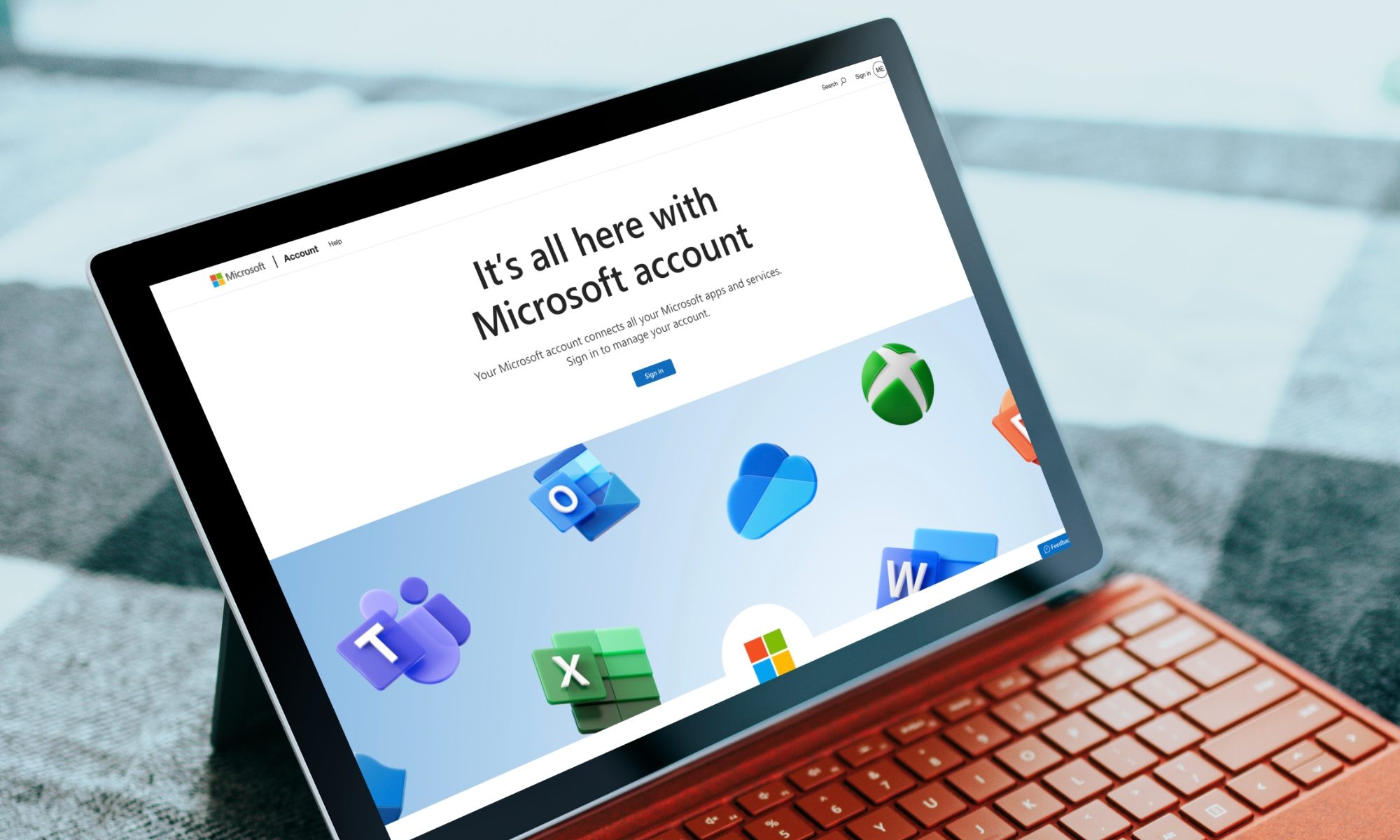
Microsoft account

Then, on February 1, 2027, Microsoft will fully retire SMS and voice authentication for Entra ID, and passkeys will become mandatory. There’s no opt-out either, so every single tenant will be affected, no exceptions.

What about personal accounts?

If you use a personal Microsoft account for Outlook, Xbox, or Windows 11, you’re not off the hook either. Microsoft has already started phasing out SMS for authentication and account recovery on personal accounts too, though there’s no confirmed deadline yet for regular users.

We should suggest not waiting around for Microsoft to flip the switch on you. Set up a passkey now, or switch to Microsoft Authenticator if that’s more your style. Passwords alone just aren’t cutting it anymore, especially with AI making phishing scarier by the day.

Share. Facebook Twitter Pinterest LinkedIn Telegram Reddit Email
Previous ArticleCBP Workers Allegedly Used Government Databases to Spy on Exes, Crushes, and Colleagues
Next Article The Best Samsung Galaxy S26 Cases and Accessories

Related Articles

A New Chatbot Wants to Unlock the Secrets in Tattered Ancient Greek Records

A New Chatbot Wants to Unlock the Secrets in Tattered Ancient Greek Records

22 September 2026
A New Tool Found Malware That’s Guided by an AI Hive Mind—No Humans in Sight

A New Tool Found Malware That’s Guided by an AI Hive Mind—No Humans in Sight

22 September 2026
I Built AI Clones of My Coworkers. Things Got Weird

I Built AI Clones of My Coworkers. Things Got Weird

22 September 2026
How to Claim Your Cut of Apple’s 0 Million Siri Settlement

How to Claim Your Cut of Apple’s $250 Million Siri Settlement

22 September 2026
Is a Home Security System Subscription Worth It? (2026)

Is a Home Security System Subscription Worth It? (2026)

22 September 2026
Everything You Know About Political Violence Is Probably Wrong

Everything You Know About Political Violence Is Probably Wrong

22 September 2026
Stay In Touch
  • Facebook
  • Twitter
  • Pinterest
  • Instagram
  • YouTube
  • Vimeo

Subscribe to Updates

Get the latest tech news and updates directly to your inbox.

Don't Miss
A New Tool Found Malware That’s Guided by an AI Hive Mind—No Humans in Sight

A New Tool Found Malware That’s Guided by an AI Hive Mind—No Humans in Sight

By technologistmag.com22 September 2026

For years, cybersecurity practitioners have tracked different types of malware and detected potential infections using…

I Built AI Clones of My Coworkers. Things Got Weird

I Built AI Clones of My Coworkers. Things Got Weird

22 September 2026
How to Claim Your Cut of Apple’s 0 Million Siri Settlement

How to Claim Your Cut of Apple’s $250 Million Siri Settlement

22 September 2026
Is a Home Security System Subscription Worth It? (2026)

Is a Home Security System Subscription Worth It? (2026)

22 September 2026
Everything You Know About Political Violence Is Probably Wrong

Everything You Know About Political Violence Is Probably Wrong

22 September 2026
Technologist Mag
Facebook X (Twitter) Instagram Pinterest
  • Privacy
  • Terms
  • Advertise
  • Contact
© 2026 Technologist Mag. All Rights Reserved.

Type above and press Enter to search. Press Esc to cancel.