


.jpg "How to Claim Your Cut of Apple’s 0 Million Siri Settlement")


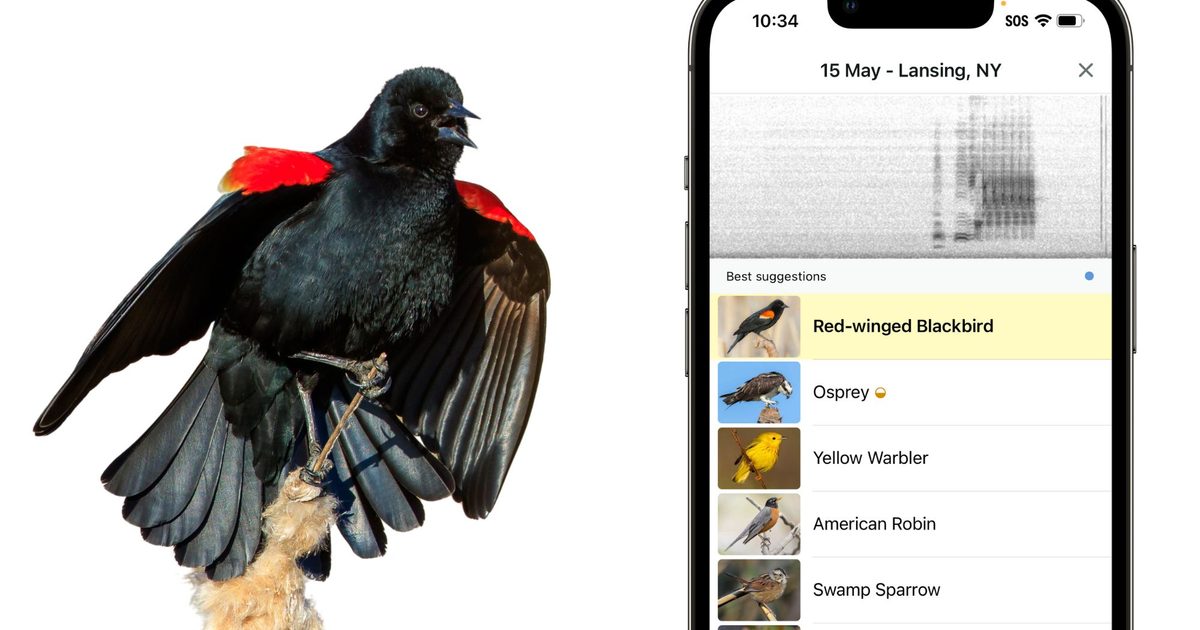
The Merlin Bird ID app, already one of the world’s most popular bird identification tools, is set to become an even more valuable resource for conservationists. According to a report by The Guardian, an upcoming update will allow bird identifications made through the app to flow directly into eBird, one of the largest citizen-science biodiversity databases in the world.
The move means millions of users listening to birds in their backyards, local parks, or hiking trails could soon contribute valuable scientific data that helps researchers monitor bird populations and track changes in biodiversity.
Millions of birdwatchers could soon become citizen scientists
Created by the Cornell Lab of Ornithology, Merlin has grown rapidly since launching its AI-powered Sound ID feature in 2021. The app uses machine learning to recognise birds by their songs in real time, displaying the likely species almost instantly. It can currently identify 2,066 bird species across North America, Europe, and many parts of Asia and Latin America, with more species being added regularly.
According to The Guardian, Cornell is now strengthening Merlin’s integration with eBird, its global bird observation platform that has collected more than 2 billion bird records since launching in 2002. Future versions of the app will allow recordings captured in Merlin to be uploaded more seamlessly into eBird, giving researchers access to a much larger stream of real-world observations.
Jessie Barry, one of the leaders of the Merlin project, told The Guardian that the additional data will help scientists monitor bird populations, support conservation efforts, and improve ecological management strategies.
The update comes at a critical time
The British Trust for Ornithology estimates that the UK’s bird population has fallen by more than 70 million birds over the past 50 years. At the same time, Merlin’s popularity continues to grow. The app has now been downloaded more than 40 million times across 240 countries, with nearly 2 million users in the UK using it during May alone.
The app has also lowered the barrier to birdwatching. According to Digital Trends, Merlin is widely considered one of the best bird identification apps available because it combines AI-powered sound recognition, photo identification, location-based suggestions, and downloadable offline bird packs. That makes it useful for beginners as well as experienced birders exploring areas without reliable internet access.
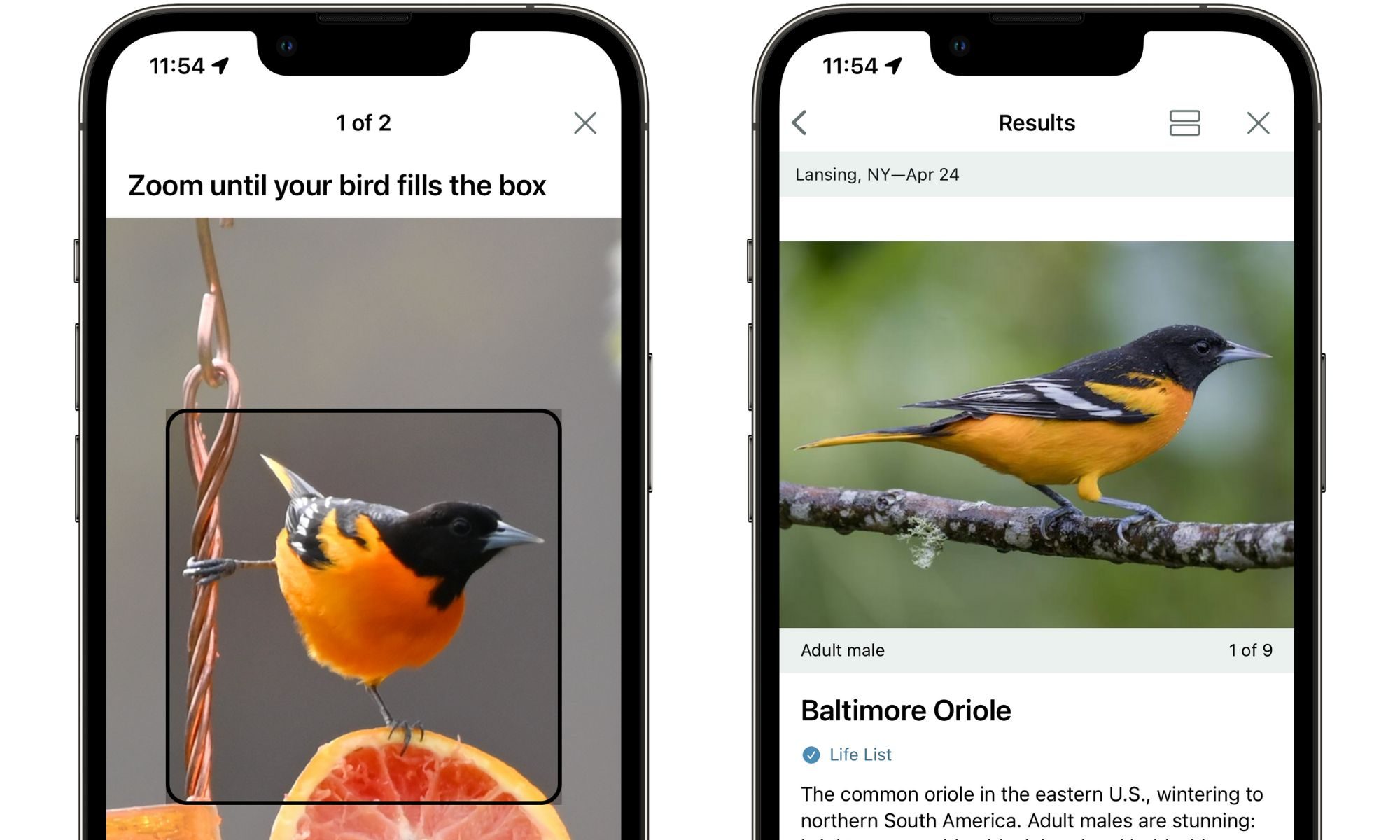
While conservationists have welcomed the app’s growing popularity, experts also urge caution. The European Bird Census Council recommends against relying solely on Merlin during official breeding bird surveys because AI-based identification can occasionally make mistakes. The Guardian notes that even RSPB conservation scientist Richard Gregory once saw the app incorrectly identify his dachshund as a mallard, illustrating that the technology is still far from perfect.
Even so, researchers believe the benefits outweigh the limitations. Citizen-science observations are routinely reviewed and validated before being incorporated into research, and larger datasets help improve both scientific understanding and AI accuracy over time.
As artificial intelligence becomes increasingly capable of recognising the natural world, Merlin is evolving from a personal birdwatching companion into a global conservation tool. For users, identifying a bird may soon do more than satisfy curiosity. It could help scientists better understand how wildlife is changing and where conservation efforts are needed most.
