






I didn’t bring the Pixel 8a to Camiguin to prove a point. I brought it because it’s still my phone, two years after I bought it as a stopgap when my OnePlus 7 Pro died. That’s annoying, because I wasn’t supposed to like this thing for this long.
A week on the island gave it chances to fail. I used it for directions, island-hopping photos, Bluetooth music, online payments, and the usual checks when nobody remembers where the booking screenshot went.
The Pixel 8a never let me forget it’s a cheaper phone. Charging was slow, and that showed. The more useful surprise was how much of the core Pixel experience still held up: steady performance, a good camera, basic durability, and Google’s photo processing.
The cheap phone did the actual work
The first real test was navigation when I became the designated map person. Camiguin made that interesting with island roads, unfamiliar turns, and weak signal areas.
The Pixel 8a handled it cleanly. GPS stayed steady, Google Maps behaved, and I never had a vacation meltdown where the phone forgot where it was.
Dual SIM helped too, especially when one signal started acting like it had gone on vacation.
Battery was the part I trusted least, so I cheated early. I turned on battery saver at 100% because I didn’t want background apps nibbling away at charge while the phone worked. Ugly strategy, good result.
The closest call came during the trip back to the city. I used the Pixel 8a for navigation and Bluetooth music at the same time. By the time we reached the hotel, it was down to 4%. The remaining 4% was enough to pay online at the front desk.
The camera did the Pixel thing
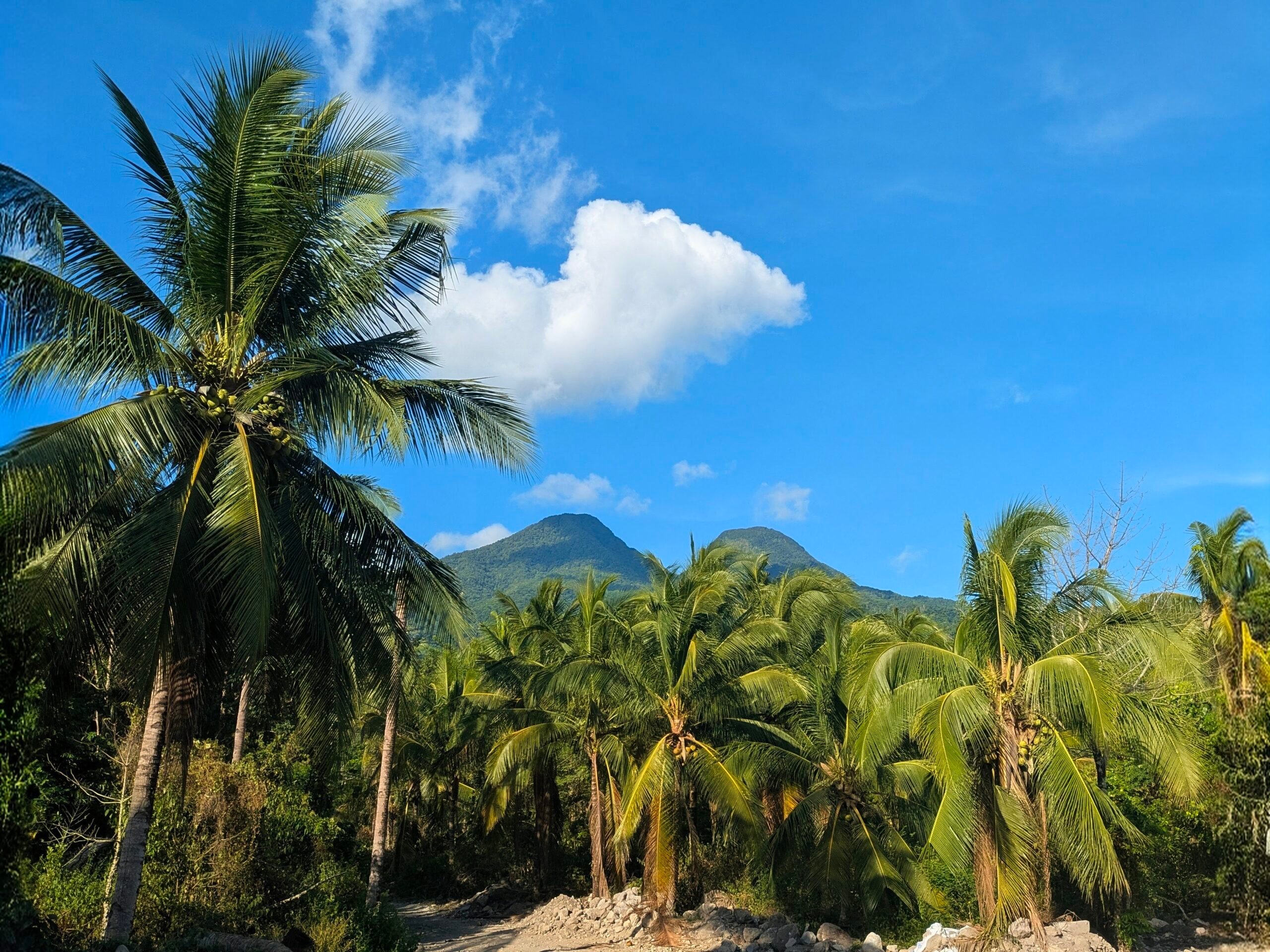
The camera surprised me most. Bright beaches, food shots, roadside photos, and night scenes should’ve exposed the limits quickly.
Instead, the photos kept coming out better than expected. Google’s processing rescued ordinary shots without making them look fake, and Google Photos’ AI tools helped when a photo needed polish.


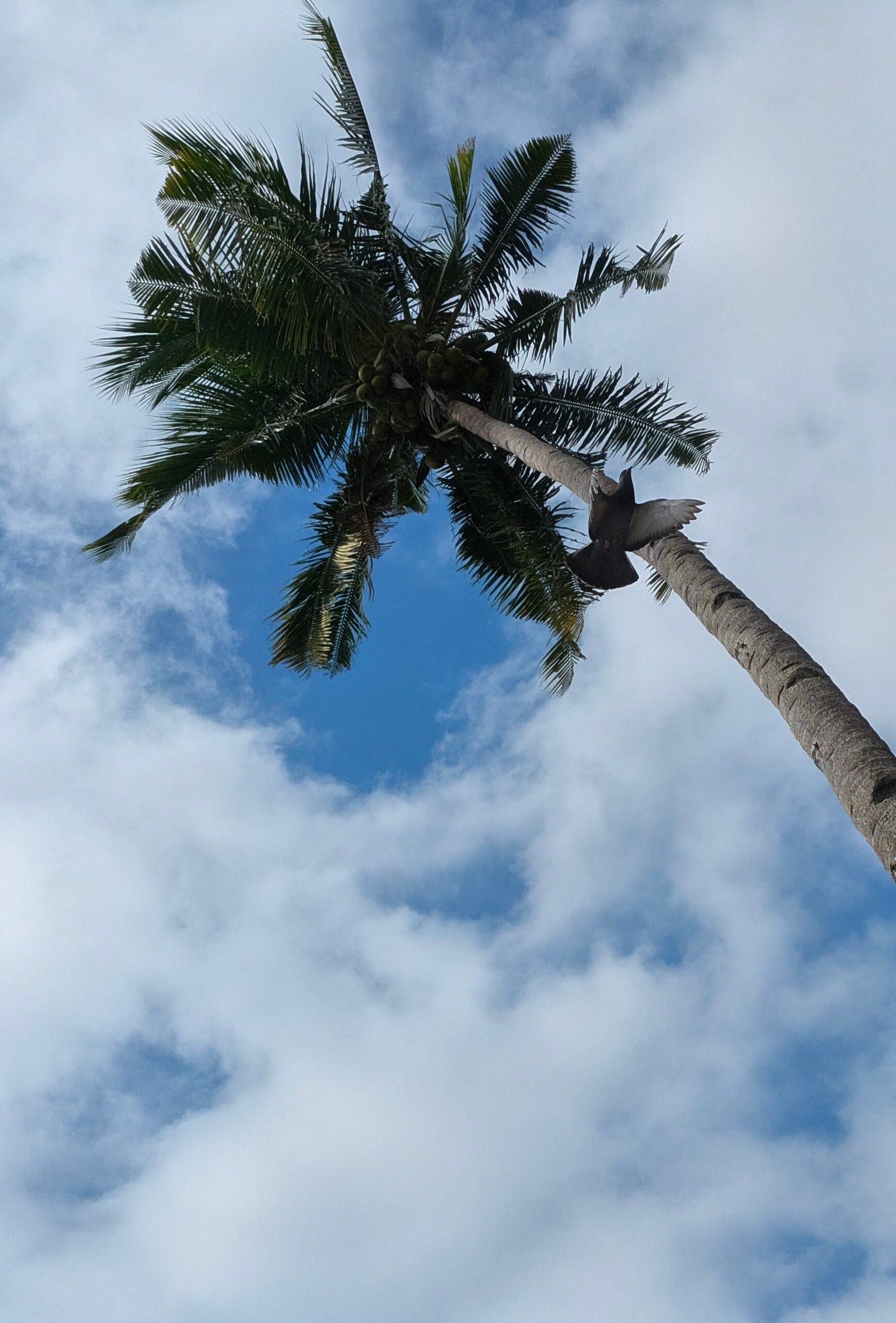

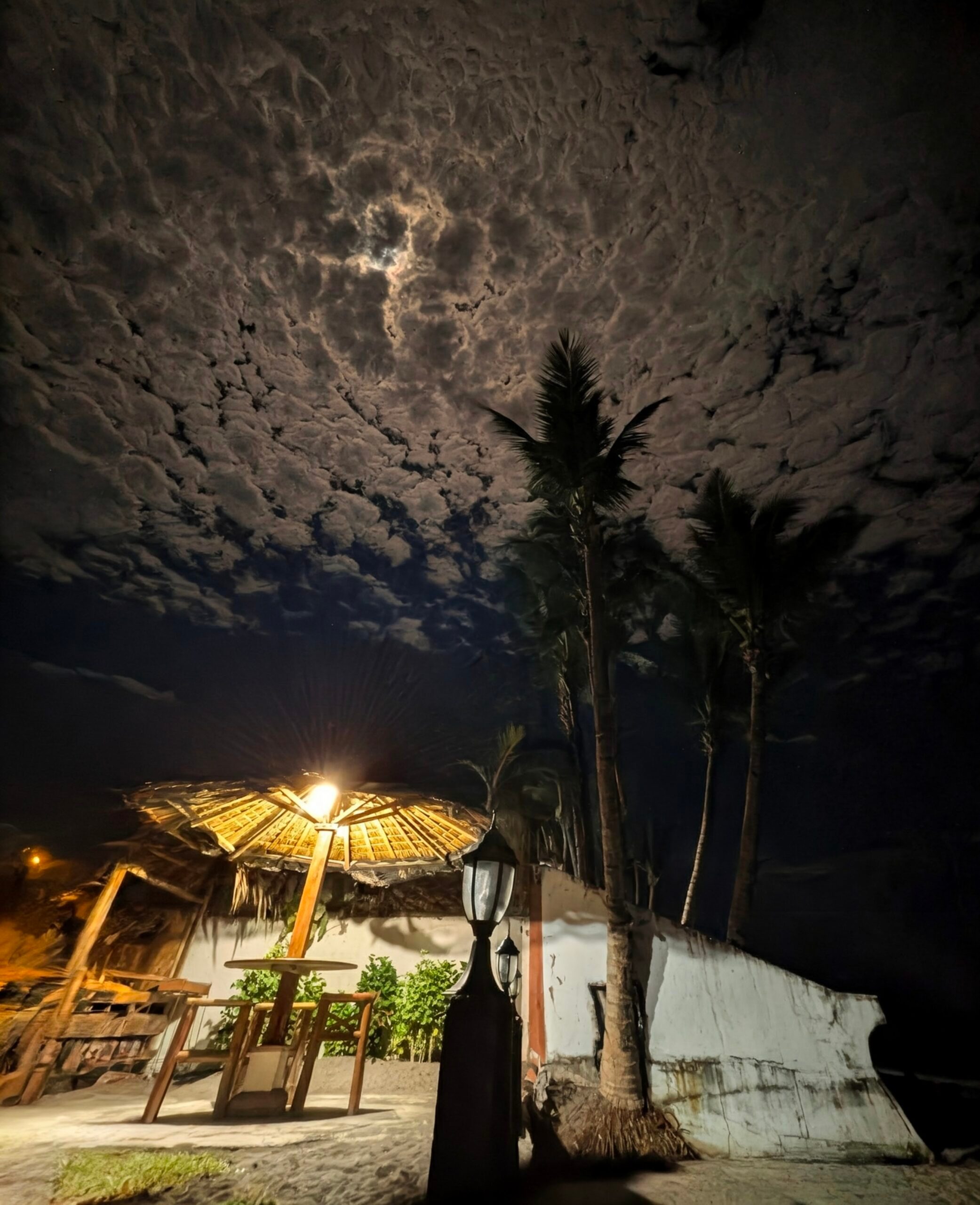


Performance was boring, which is praise.
I didn’t get app reload tantrums, random slowdowns, or reminders that this was supposed to be the cheaper option.
Charging felt slow, and screen brightness struggled outdoors. They were noticeable without becoming the story.
I didn’t have to worship it
The Pixel 8a worked so well on vacation because I didn’t have to treat it like jewelry with a SIM card.
If I’d brought a shiny flagship, I would’ve been more anxious around water, sand, heat, bags, and every table where phones mysteriously slide toward danger.
It was capable enough to trust, cheap enough not to worship, and durable enough that I didn’t spend the week calculating repair costs. That’s the awkward thing about a phone like the Pixel 8a aging this well. It’s good for me, but inconvenient for an industry that needs old phones to feel older than they are. Planned obsolescence doesn’t always mean a device suddenly breaks. Sometimes it just means making a perfectly useful phone feel faintly embarrassing.
After a week in Camiguin, the Pixel 8a made the flagship upgrade itch feel silly.
It was supposed to be temporary, but two years later it became the phone I trusted when the trip needed one less thing to go wrong.
