







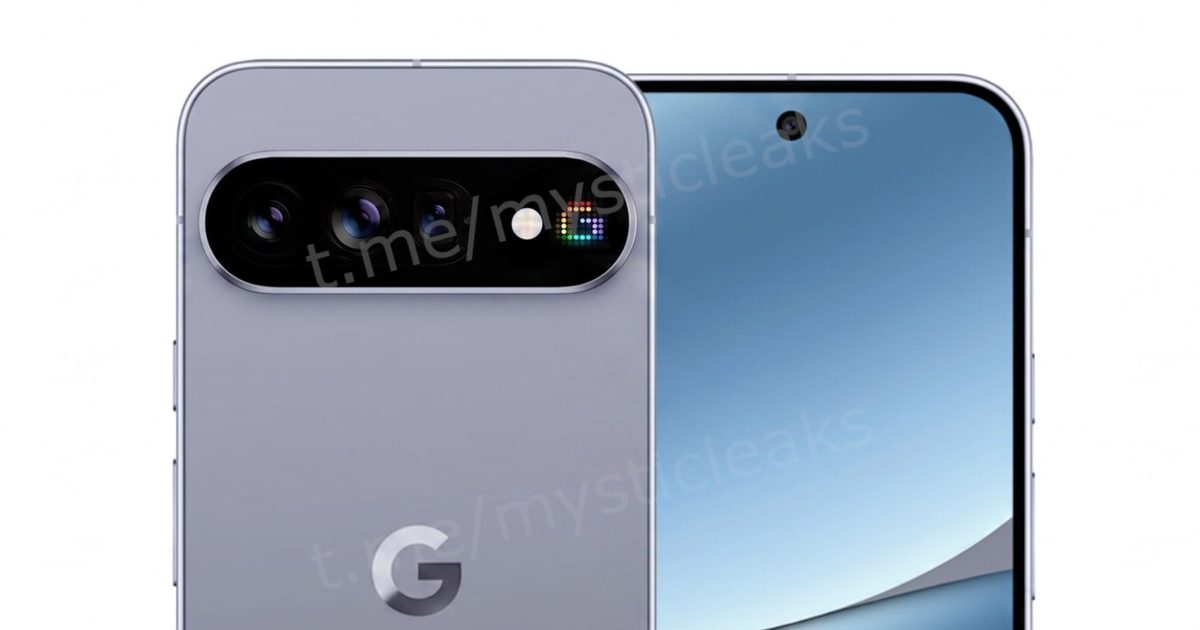
Google may be preparing its biggest Tensor hardware split yet. As spotted by Android Authority, FCC testing for an unreleased foldable Google phone includes a reference to MediaTek radio-frequency software, adding weight to reports that the Pixel 11’s Tensor G6 could leave Samsung’s Exynos modem behind.
Every previous Tensor chip has used Samsung modem hardware. Changing suppliers won’t guarantee better battery life or reception, but it gives Google a fresh path after years of leaning on the same underlying technology.
What the FCC paperwork reveals
The clue sits on page 30 of the phone’s SAR test report, which measures radio-frequency exposure. Its testing notes mention MediaTek’s TA-SAR v2 algorithm, directly connecting the unreleased Google device to the chipmaker’s radio technology.
Google doesn’t provide a retail product name or identify the component inside. However, the device was tested in both open and closed positions, strongly suggesting that the paperwork belongs to a foldable Pixel.
That lines up with reports that Google could use MediaTek’s M90 modem in Tensor G6, ending Samsung’s uninterrupted run inside Tensor-powered phones.
Why a supplier switch could help
Earlier reporting has pointed to lower power consumption as the main attraction of the M90. If those efficiency gains carry over to the finished phone, the Pixel 11 could last longer while maintaining a mobile connection.
That would give buyers something more useful than another modest benchmark increase. Pixel owners spend far more time depending on reception and battery endurance than pushing a processor through synthetic performance tests.


Still, changing the logo on the component won’t automatically solve anything. Google must tune the hardware properly and prove that MediaTek can deliver a noticeable improvement in everyday use.
What Google still needs to prove
The MediaTek reference strengthens the case for a supplier switch, but it doesn’t confirm the M90 or any real-world gains. Regulatory testing can expose what technology is involved without showing how well the finished phone performs.
The verdict will come after the Pixel 11 reaches reviewers. Reliable reception and longer battery life would make the change worthwhile. Anything less risks turning Google’s biggest Tensor shake-up into another internal upgrade that buyers barely notice.
