
%20102026%20top%20art%20SOURCE%20Govee.jpg "The Best Permanent Outdoor Lights (2026): Govee, Eufy, Cync")



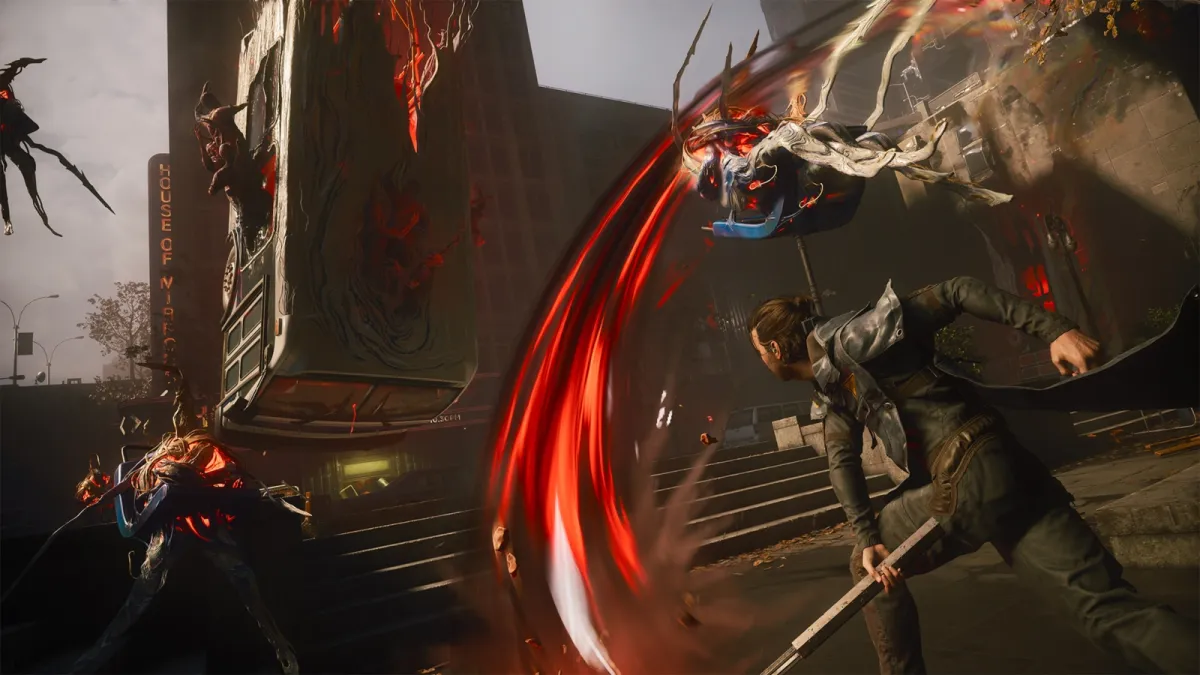
The more things change in Control Resonant, the more of it retains the best traits of its predecessor, Control. An endearing new protagonist, Dylan Faden, joins several of the memorable allies that assisted his older sister, Jesse, in her 2019 adventure. Every new high-flying melee battle is complemented by the same fascinatingly bizarre stories centered around supernatural mundane objects, interdimensional entities, and the FBC’s strange bureaucracy that made the first game such a fun world to unravel. And like the game before it, Control Resonant’s storytelling highs are sometimes dampened by some design headaches. But even when Control Resonant stumbles (and at times frustrates), its world and story drew me back in, further cementing it as one of my favorite universes in gaming.
Seven years after FBC director Jesse Faden sealed the Hiss – along with herself, her allies, and many FBC employees – within the bureau’s headquarters, the Oldest House, a new, more devastating paranatural occurrence has bled beyond its walls. Manhattan has been distorted into a mind-bending version of itself that threatens the very fabric of reality. That the Hiss has escaped into the city and possessed many citizens who weren’t lucky enough to evacuate doesn’t help. Jesse has mysteriously left the FBC, leaving her supernaturally gifted and long-imprisoned brother, Dylan, to pick up the pieces. Thankfully, for a guy who spent years in a coma, he does a great job walking in his sister’s sizable shoes.
After he played the role of the possessed and tortured damsel in distress in Control, I’m impressed by how likable Dylan is in Resonant. His awkward, socially inept earnestness and drive to atone for past sins make him a softer and sympathetic lead – a nice juxtaposition of his power that causes many to vilify him as a monster – and I especially love his dynamic with his charismatic FBC handler Zoe De Veras. The duo’s entertaining choice-driven banter adds weight, levity, and humor to a wild story. I also enjoyed being reacquainted with returning favorites such as obsessed scientist Emily Pope and altered item supervisor Frederick Langston. I always looked forward to receiving a new message from someone or visiting them to learn details about the seven-year lockdown, Jesse’s hypothetical fate, and the evolving state of New York.
Cool moments, including surprising and even heartbreaking revelations, plus a few left-field mechanical and visual twists, prop up an overall strong narrative. Fascinating, often meaty sidequests also make good use of Resonant’s premise: ordinary citizens experiencing the paranatural for the first time. I was delightfully surprised by the variety of stories and gameplay in missions involving singing along with a malevolent karaoke machine, escaping a taxi-filled pocket dimension by solving “spot the difference” visual puzzles, or chasing down an FBC employee’s temperamental supernatural pet.
Exploring Manhattan’s open hubs for longer mission strings, such as uncovering a secret organization’s activities and completing abandoned FBC experiments, made me excited to bust into every identically designed laundromat, apartment building, and cafe. Unfortunately, these quests are accompanied by lesser, repetitive tasks like escorting trapped rangers or fending off enemy waves to protect assets. In a game with such well-crafted missions, these paper-thin tasks feel out of place and like obligatory additions to pad out the world. Thankfully, you can ignore these lesser jobs to little consequence, but you shouldn’t overlook every optional diversion, and not just because they’re largely good.
Control Resonant doesn’t politely suggest you complete its quests; it sternly demands compliance. Doing so strengthens you enough to survive the often overwhelming character-action-style melee combat encounters. Dylan wields a transforming weapon called the Aberrant, a fun upgradable tool that can morph into a one-handed axe, dual sword-like weapons, or a two-handed scythe. Each is entertaining in its own way and is accompanied by less fun, semi-useful sidearms, like a heavy axe or a weirdly sluggish whip. While the side weapons don’t feel as good or as powerful to handle, combo finishers add nice exclamation points to the otherwise basic attack combos. I like rocking foes with a barrage of reinforced punches, slicing them with a hovering spinning blade, or knocking them back using a giant glaive-like weapon. The unexpected star of combat may be Dylan’s swift perfect dodge, which always feels great to execute and chain into an attack.

Combat begins basic and repetitive but becomes more mechanically interesting and strategic as you unlock new supernatural abilities. Igniting foes with explosive fire attacks, poisoning them using rapid-fire mold spores, summoning abstract entities to fight alongside Dylan, or simply force-pushing enemies into hazards and off ledges helps spice up the basic attack strings. Mastering these tools matters because Control Resonant can be an infuriatingly challenging game. Enemies often level alongside you, meaning you rarely overpower them. Unfortunately, this often means chipping away at sturdy health bars in large, wave-based battles that usually last longer than necessary. I’m also lukewarm on Resonant’s system of killing big enemies to win fights, as smaller foes respawn non-stop until their larger counterparts fall. While it adds enjoyable intensity at times, it can also make more challenging battles feel like lengthy wars of attrition. As powerful as Dylan is, I wish Control Resonant’s balancing eased up more often so I could fully experience the power fantasy it tries to present.
Boss battles against disturbingly distorted humans called Resonants offer entertaining, more evenly designed tests. I also appreciate how Remedy shook up encounters by introducing enemy types besides just variations of the Hiss, such as mold monsters and another faction I won’t spoil. While battles still eventually fall into repetitive territory due to how often you fight bands of baddies roaming Manhattan, at least there’s a deeper enemy pool to wade through.
Despite being set in an open Manhattan, its structure resembles the Oldest House in the first game in that you must learn abilities and gain keys to access areas and expedite travel. The path to an objective isn’t always obvious, requiring careful observation to find obscure openings, but fun abilities like warping to rooftops or hovering across large distances make getting around a blast. Mind-bending imagery makes Manhattan feel like a surrealist painting in some spots and a sci-fi novel’s cover art in others, adding nice visual variety beyond standard cityscapes. However, navigating visually trippier areas that you can approach from multiple angles can be a tricky, headache-inducing proposition.
Despite my annoyances, they always faded as I bolted toward the next story mission or mysterious question mark on the map. Depending on how much you engage with Control Resonant’s offerings, it will either be an oppressive action game with great narrative beats and presentation or just a pretty tough action game with all the worldbuilding fixins. Remedy mostly nails its first attempt at stylish action, but the misses are apparent and disappointing. The remaining package has me eager to uncover every remaining secret even after rolling credits. As someone most excited to be awash in Control’s lore again, I’m glad that aspect of this sequel resonates most effectively.