



.jpg "NASA Just Made Nearly 1 TB of Artemis II Data Available to the Public")


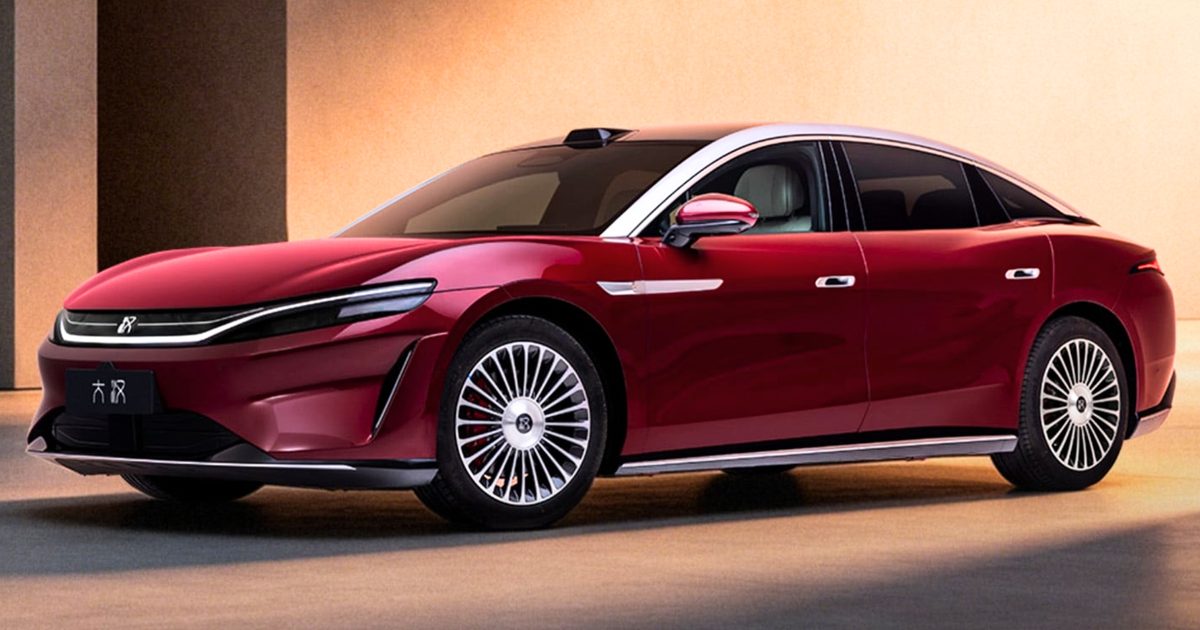
In the last few years, Chinese automakers have raised the bar for what affordable sedans (or even cars in general) can offer, and BYD’s latest release is a clear example.
The Da Han just opened pre-sales in China with a sticker price under $37,000, similar to entry-level pricing in the United States, but with a feature list that reads like a flagship car’s spec sheet.
So what exactly is BYD offering with the Da Han?
BYD has commenced pre-sales with three trims. These include an entry-level rear-wheel-drive Premium at 249,900 yuan (about $36,850), a rear-wheel-drive Flagship at 269,900 yuan (about $40,145), and the top-tier all-wheel-drive Flagship at 299,900 yuan (about $44,606).
Both rear-wheel-drive trims claim over 621 miles of CLTC range, while the all-wheel-drive version drops to around 547 miles in exchange for 570 kW of combined output, which makes it quite powerful if you ask me. That AWD trim reaches 62 mph in 3.8 seconds and tops out at ~168 mph.
The rear-wheel steering shrinks its turning radius to 4.95 meters. Even more impressive are BYD’s Flash charging speeds, which take the battery from 10% to 97% in about nine minutes (about the same as refilling a gas tank).
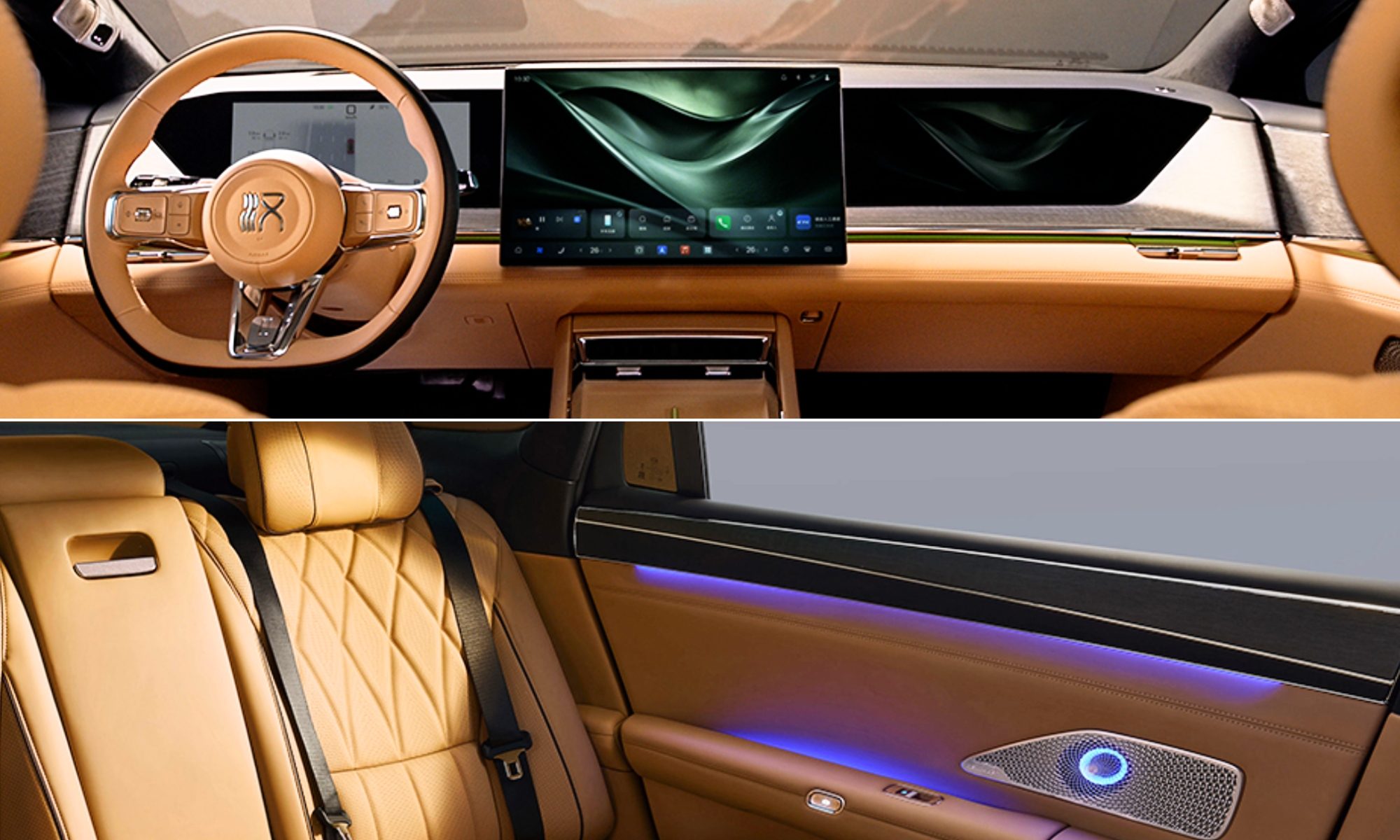
Standard across all variants are dual-chamber air suspension, a roof-mounted LiDAR sensor powering BYD’s God’s Eye B driver-assist system, and a 31-speaker Devialet audio setup. If you ask me, those features are usually available at a much higher price point, particularly in the United States.
How does it compare to what’s available in the US?
Beyond the spec sheet, the Da Han stretches 5,256 mm long on a 3,130 mm wheelbase, so it doesn’t skimp on rear legroom or boot space. BYD has also planned a plug-in hybrid variant with 470 km of EV-only range.
For context, roughly $37,000 barely covers a base Tesla Model 3 in the US, which offers around 320 miles of EPA-rated range. If that doesn’t clear things up, you don’t get LiDAR, air suspension, and a fraction of the speaker count.
Hyundai’s Ioniq 6 lands in a similar price bracket with comparable shortfalls. To me, the Da Han reminds me just how different the EV value equation is in the Chinese auto market and the US.
While companies like Ford are planning to capitalize on the entry-level EV market, we’re still trailing behind the highly competitive Chinese EV market.

