




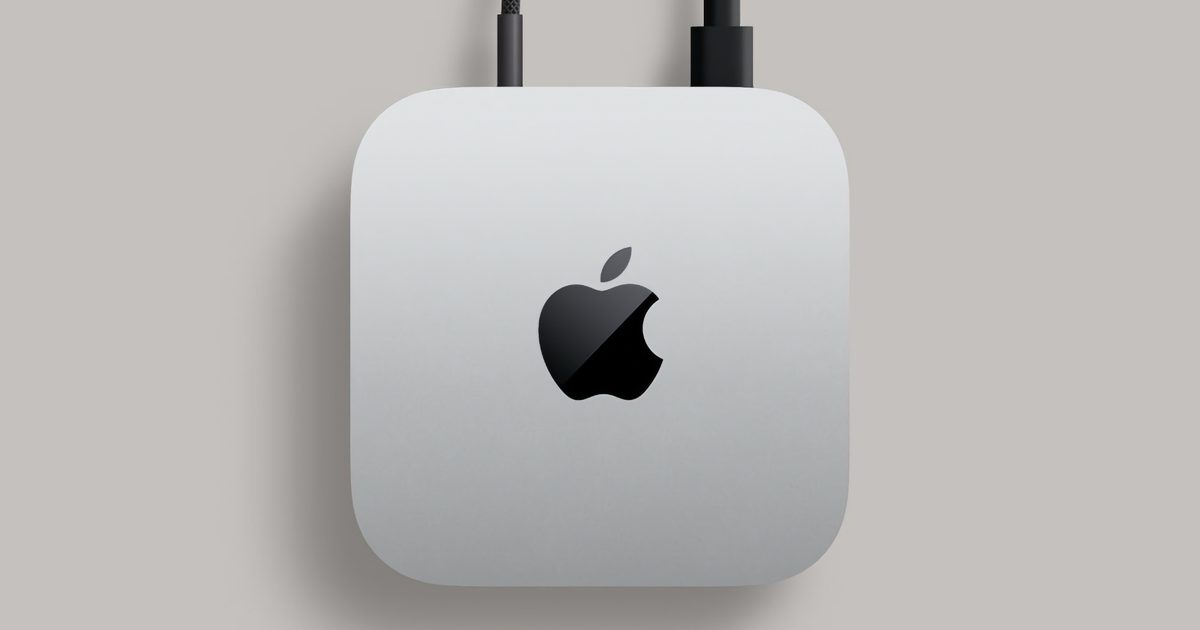
Apple just gave the Mac mini a proper glow-up. The tiny desktop now comes with two chip options, the all-new M6 and the pro-grade M5 Pro, and both bring a massive jump in AI performance while keeping that same pocket-sized design we love.
How much faster is the new Mac mini?
The M6 chip is the star of the base model. It packs a 12-core CPU, two more cores than the outgoing chip, along with a 12-core GPU that finally gets Neural Accelerators in every core. Together with a redesigned Neural Engine, Apple says this adds up to 4x faster AI performance and 2x quicker graphics and storage compared to the M4 Mac mini, plus a 40 percent bump in overall CPU speed. Unified memory now starts at 16GB and can go up to 32GB, with faster bandwidth to match.
If you want more power, you can upgrade to the M5 Pro version. It is built for people who actually push their machines, think video editing, 3D rendering, or running bigger AI models locally. It can be configured with up to an 18-core CPU, a 20-core GPU, and 64GB of unified memory, so it should handle heavier workloads without breaking a sweat.

Both models now support Wi-Fi 7 and Bluetooth 6, along with 2.5Gb Ethernet, with a 10Gb option if you need it. You still get Thunderbolt ports around the back: three Thunderbolt 4 ports on the M6 model and three Thunderbolt 5 ports on the M5 Pro, along with an HDMI port. On the front, you get two USB-C ports and a headphone jack.
So what do the numbers actually look like?
Apple shared some real-world comparisons, and they are worth a look if you are debating an upgrade. On the M6 side:
- LLM prompt processing in LM Studio is up to 13.5x faster than the original M1 mini, and up to 4.8x faster than the M4.
- Excel spreadsheet calculations run up to 2.3x faster than M1, and 1.5x faster than M4.
- Gaming with ray tracing in Cyberpunk 2077 is up to 2x faster than the M4 model.

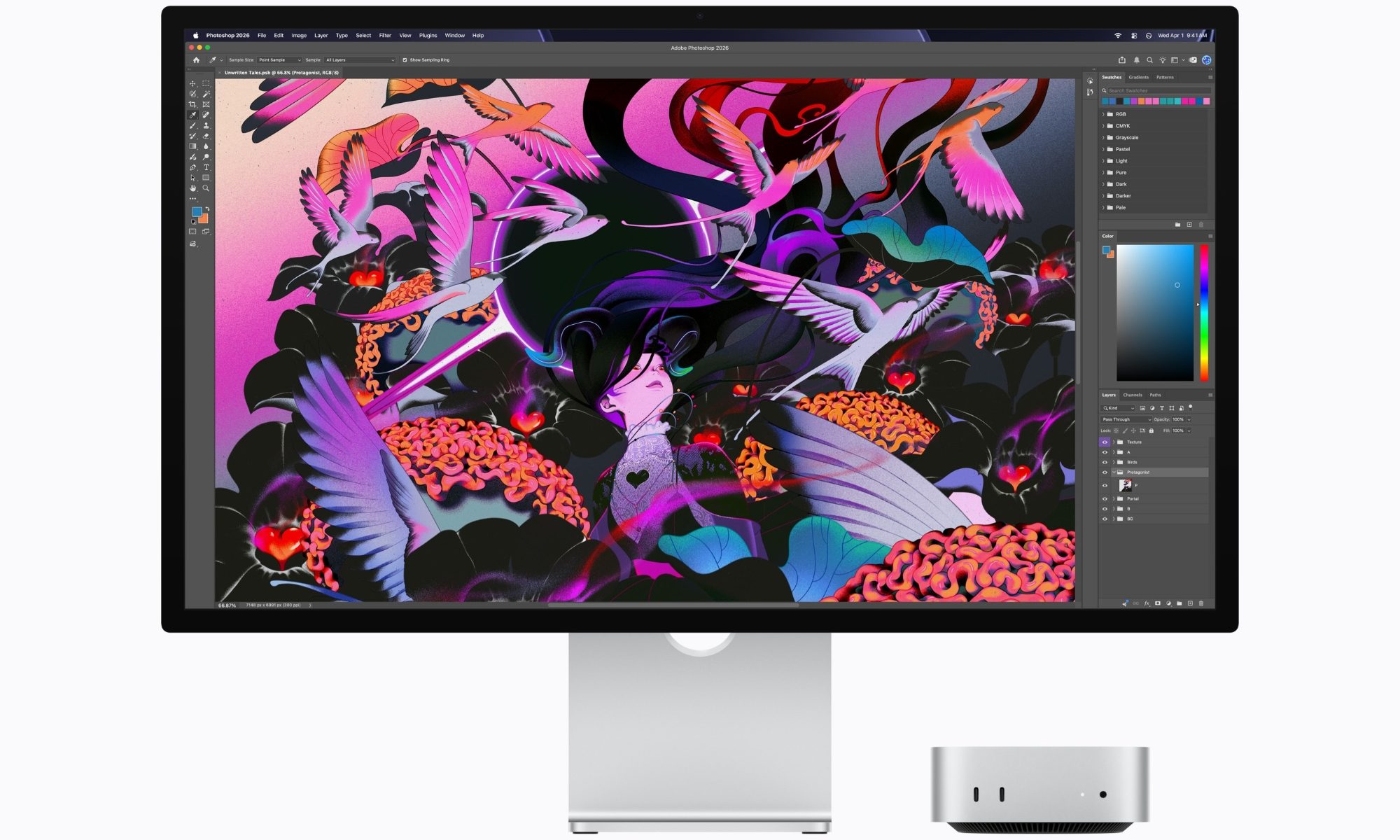
The M5 Pro numbers are just as strong. Compared to the M2 Pro, it offers up to 8.5x faster LLM prompt processing, 4.5x faster Blender rendering, and 2.1x faster image processing in Affinity. Even against last year’s M4 Pro, you are still looking at real gains across the board.
Should you buy one?
Here is the part that was expected but will still sting a little. The M4 Mac mini started at $599, but the new M6 model jumps to $899, a $300 increase for the entry-level configuration. The M5 Pro version starts at $1,699, which is again a $300 increase over the M4 Pro Mac mini, which launched at $1,399.
So yes, you are getting a real performance boost, but you are also paying noticeably more to get it. If the AI and speed gains matter to your workflow, it is probably worth it. If you just need a basic desktop, it might be worth holding onto your current mini a bit longer. Pre-orders are open now, with units arriving on September 22.
