







For the past two years, Apple and OpenAI have been presented as close AI partners. ChatGPT powers key Apple Intelligence features, Siri can hand complex queries over to OpenAI, and together the two companies helped bring generative AI to millions of Apple devices. Now, that partnership has taken a dramatic turn.
What is Apple accusing OpenAI of?
Apple has filed a lawsuit against OpenAI, accusing the AI company of orchestrating a coordinated effort to steal confidential trade secrets and unreleased product information through former Apple employees as it builds its own hardware business. In the lawsuit, Apple alleges that OpenAI encouraged employees to share confidential documents, engineering drawings, product components, technical specifications, and other proprietary material related to unreleased devices.
The company goes even further, arguing that “at every level, from members of its technical staff to its chief hardware officer, and in coordination with business partners, OpenAI has been stealing Apple’s trade secrets and confidential information.”
The lawsuit specifically names Tang Tan, OpenAI’s Chief Hardware Officer and Apple’s former Vice President of Product Design, who previously oversaw the development of the iPhone, Apple Watch, AirPods, and several other hardware products. Apple also names former iPhone hardware engineer Chang Liu, alleging he downloaded confidential files, including information on unreleased products, engineering presentations, technical specifications, and proprietary project data, before leaving the company to join OpenAI.
Apple is seeking more than financial damages. The company wants OpenAI to stop using any allegedly misappropriated information, destroy confidential materials, and redesign future hardware products if they incorporate Apple’s proprietary technology. According to Bloomberg, Apple also claims it attempted to resolve the dispute privately before filing the lawsuit but received no response.
Why is this lawsuit such a big deal?
Beyond the allegations themselves, the lawsuit marks a remarkable shift in the relationship between Apple and OpenAI. Apple’s struggles in artificial intelligence have been well documented over the past few years, and it was through its partnership with OpenAI that the company finally rolled out Apple Intelligence, integrating ChatGPT into Siri and other AI-powered experiences to better compete with rivals like Google’s Gemini and Microsoft Copilot. Even today, ChatGPT remains the only frontier AI model integrated across Apple’s AI ecosystem, spanning the iPhone, iPad, Mac, and Apple Watch.

As far as OpenAI’s hardware ambitions go, the company recently struck a deal with legendary Apple designer Jony Ive, whose work helped define iconic products like the iPhone, iPod, and MacBook. Through its acquisition of io Products, OpenAI is widely believed to be developing AI-first consumer hardware, with rumors pointing to wearable devices that deeply integrate ChatGPT — somewhat similar in concept to the ill-fated Humane AI Pin, albeit with a much stronger AI backbone. While OpenAI has remained tight-lipped about its launch timeline, reports suggest the company’s first device could arrive as early as next year.

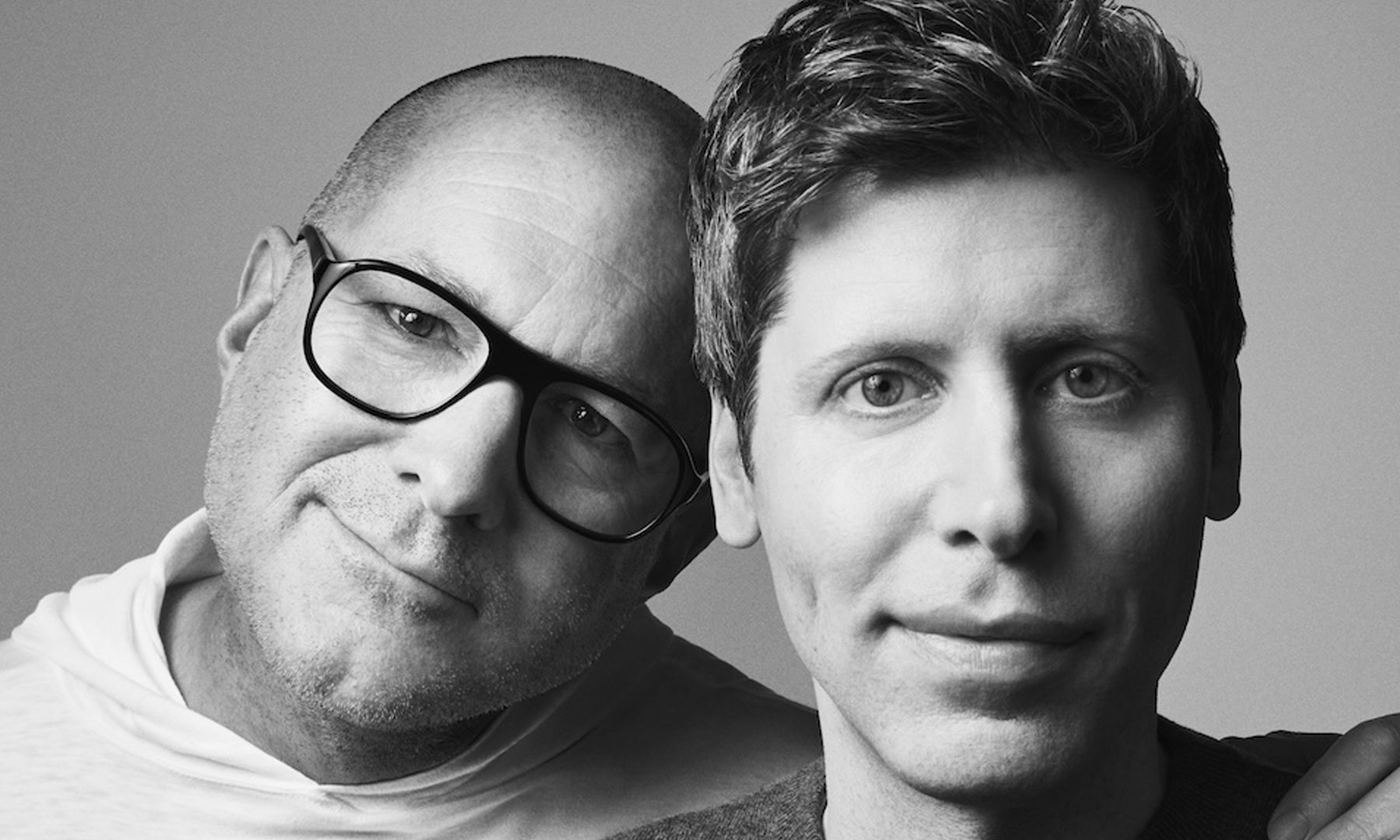
That makes the timing particularly striking. While Apple accuses OpenAI of building its hardware ambitions using confidential information, the two companies continue to work together on consumer-facing AI features. Add OpenAI’s acquisition of Jony Ive’s startup, the appointment of former Apple hardware chief Tang Tan to lead its hardware efforts, and this lawsuit is the latest chapter in the race to build the next generation of AI devices.
