





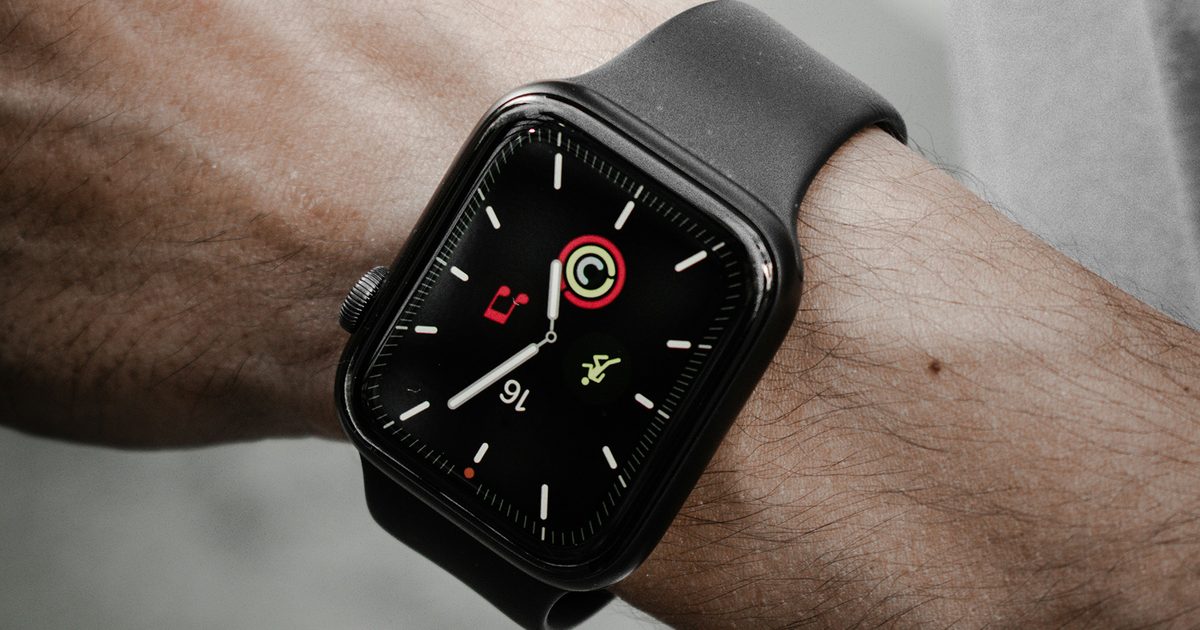
For more than a decade, the Apple Watch has looked like a tiny computer strapped to the wrist. But what if Apple made it look like an actual watch instead? Recent reports suggest that Apple is considering round displays for future Apple Watch models, alongside other design ideas as the company rethinks its wearable lineup. Nothing has been finalized, but the possibility raises a fascinating question: would a circular Apple Watch actually be better, or would Apple be fixing something that isn’t broken? I think the answer depends on what Apple wants the Watch to be.
A circle could finally make the Apple Watch feel like a watch
The biggest argument for going circular isn’t technical. It’s fashion.
The Apple Watch’s rounded-square design is instantly recognizable, but it also looks unmistakably like a piece of technology. A circular design could make it blend far more naturally with formal clothing, traditional outfits, or simply with users who prefer the look of a conventional timepiece. And Apple could potentially attract people who have avoided the Watch precisely because they don’t like its appearance. Samsung, Google, Garmin and countless traditional watchmakers have already demonstrated that a circular watch can look more natural on the wrist.
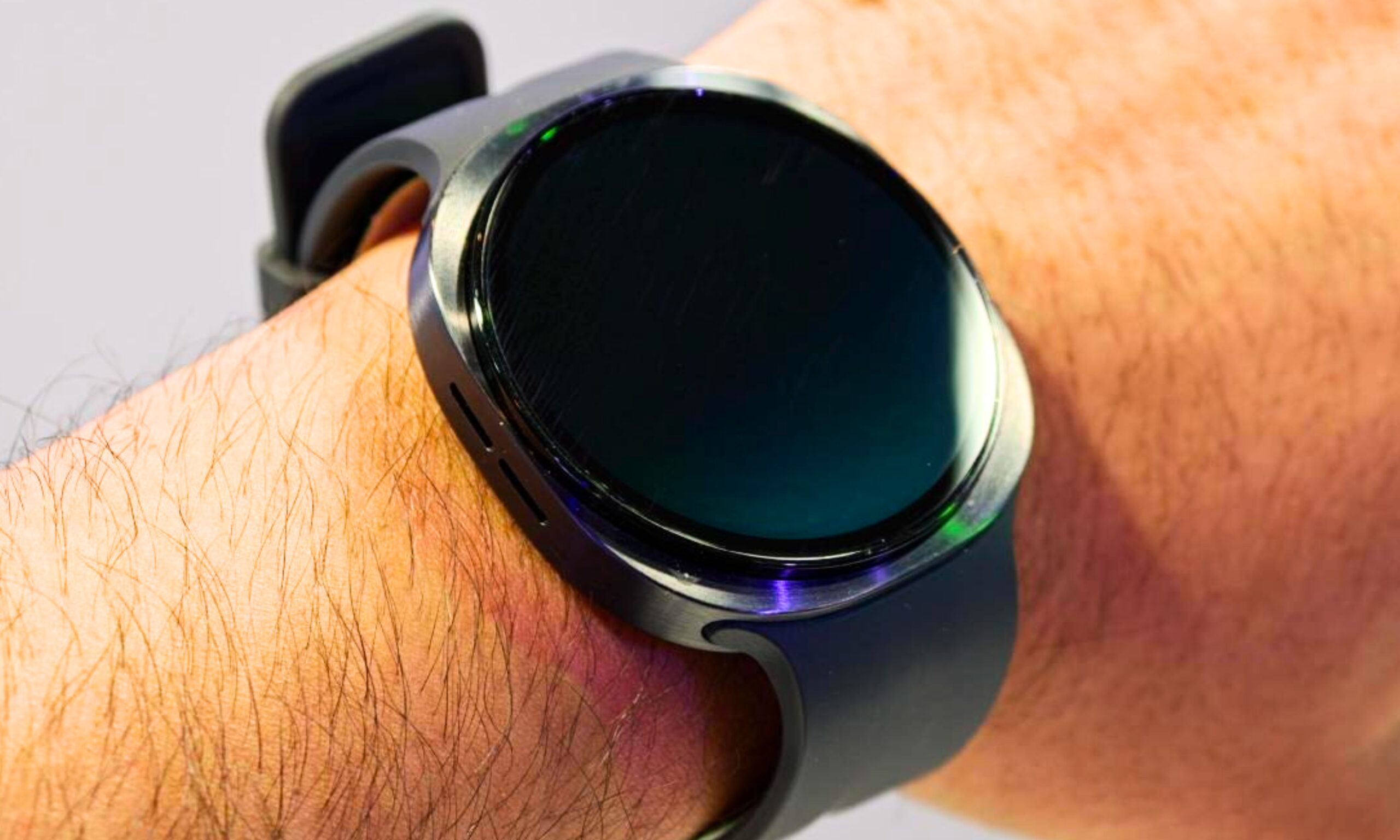
There is also something to be said for Apple’s design becoming less repetitive. The company has refined the Watch over the years, but the fundamental shape has remained remarkably consistent. Going circular would instantly make a new generation feel like a new Apple Watch, rather than another iteration with a thinner case and brighter screen. But there is a catch.
The Apple Watch is also a tiny computer.
The current shape isn’t just an aesthetic choice. It gives watchOS something extremely useful: a relatively rectangular canvas.
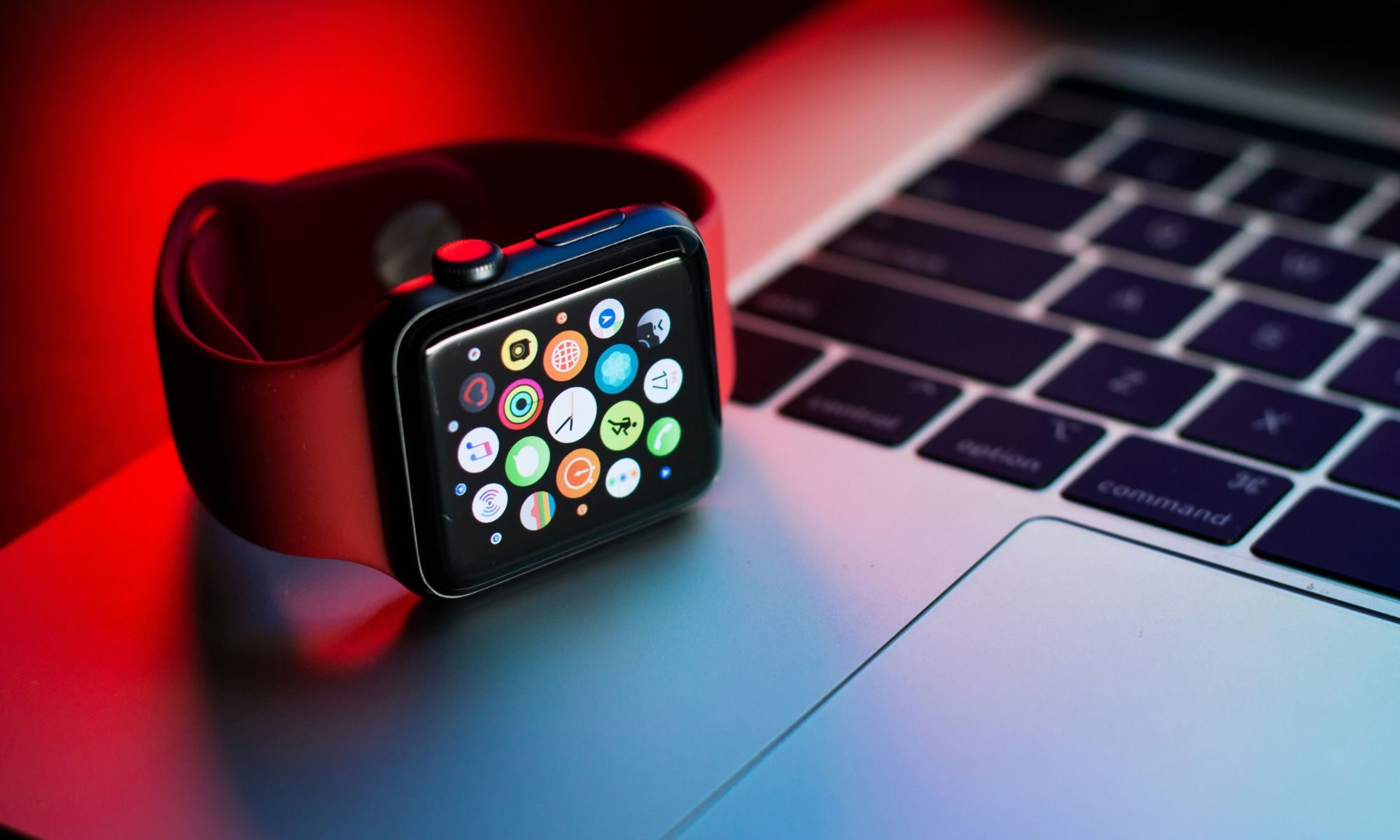
Apps, notifications, messages, maps, fitness statistics, calendars and settings are all much easier to arrange inside a rectangle. A circle removes usable space from the corners, which can leave text and interface elements feeling cramped. The keyboard is an obvious example. Typing on the Apple Watch is already an exercise in patience. Now imagine trying to squeeze a keyboard into a shape that gets narrower toward the edges.
Sure, Apple could redesign watchOS specifically for a circular screen, and that’s where things get interesting. The company controls both the hardware and software, so it could create a genuinely circular-first interface rather than simply cropping the existing one. But third-party developers don’t have the same luxury. Apple already has a somewhat fragile watchOS app ecosystem, with some developers moving away from standalone Watch apps in favor of quicker notifications and companion experiences. Asking developers to maintain another completely different interface system could make that problem worse.
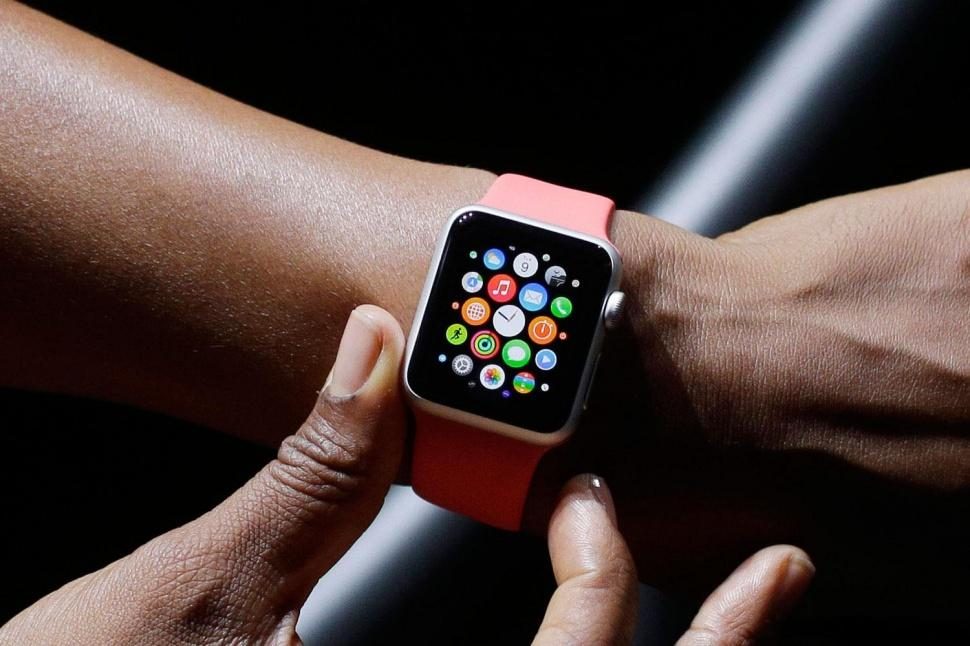
Apple could potentially require developers to support both rectangular and circular layouts, but that means more development, testing, and maintenance for an ecosystem that isn’t exactly overflowing with developer attention. A circular Apple Watch could therefore become a beautiful device that increasingly relies on Apple’s own apps while third-party experiences take a back seat.
Then there’s the hardware problem nobody sees
There is another issue hiding inside that pretty circular chassis: the components aren’t circular.
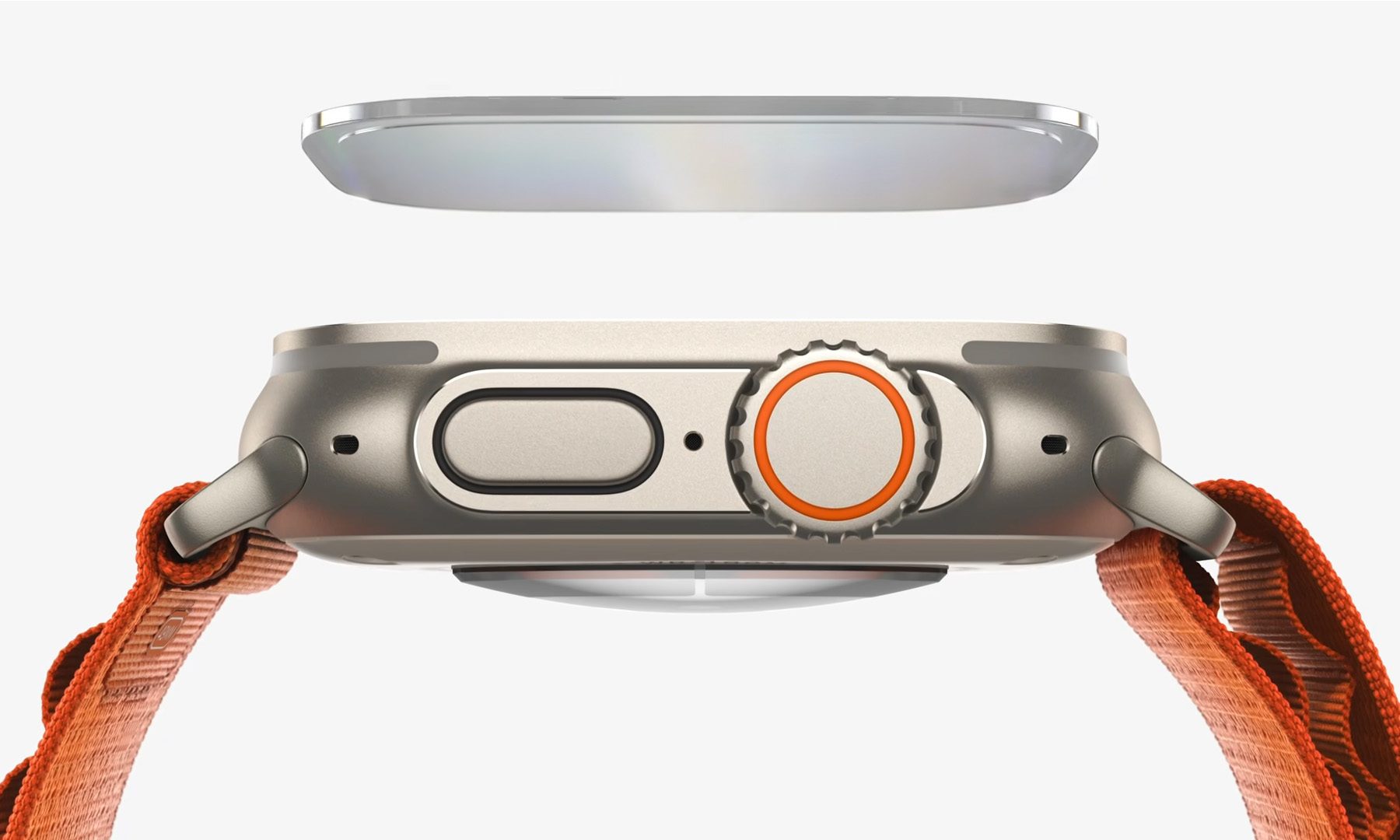
Batteries, logic boards, speakers, sensors, and the Taptic Engine are generally rectangular, flat, or otherwise shaped around the available internal space. Put those components inside a circular case, and the corners inevitably become awkward dead space. Apple could compensate by redesigning virtually every internal component, but that would add complexity and potentially increase manufacturing costs. Alternatively, the company could make the circular Watch thicker to fit the same battery and hardware capacity, creating the dreaded “puck” effect.
That’s a particularly awkward trade-off for Apple. The company has spent years making the Watch thinner and more refined. Giving some of that progress back simply to accommodate a circular chassis would be a difficult sell. Samsung and Google have already had to deal with similar compromises in their circular watches, so Apple wouldn’t exactly be entering unexplored territory. The difference is that Apple tends to be particularly obsessive about internal packaging and thinness.
Maybe Apple needs to make a watch that looks like one
A circular Apple Watch could be the perfect fit for lifestyle users who want health tracking and smart features without wearing something that looks like a tiny computer. It could even coexist with the current design, giving Apple a more fashion-focused option while retaining the rounded rectangle for users who value screen space and information density. The trade-off is identity: the current Apple Watch is instantly recognizable, while a circular model could look more like a traditional timepiece, but also more like what Samsung, Google, and Garmin already offer.
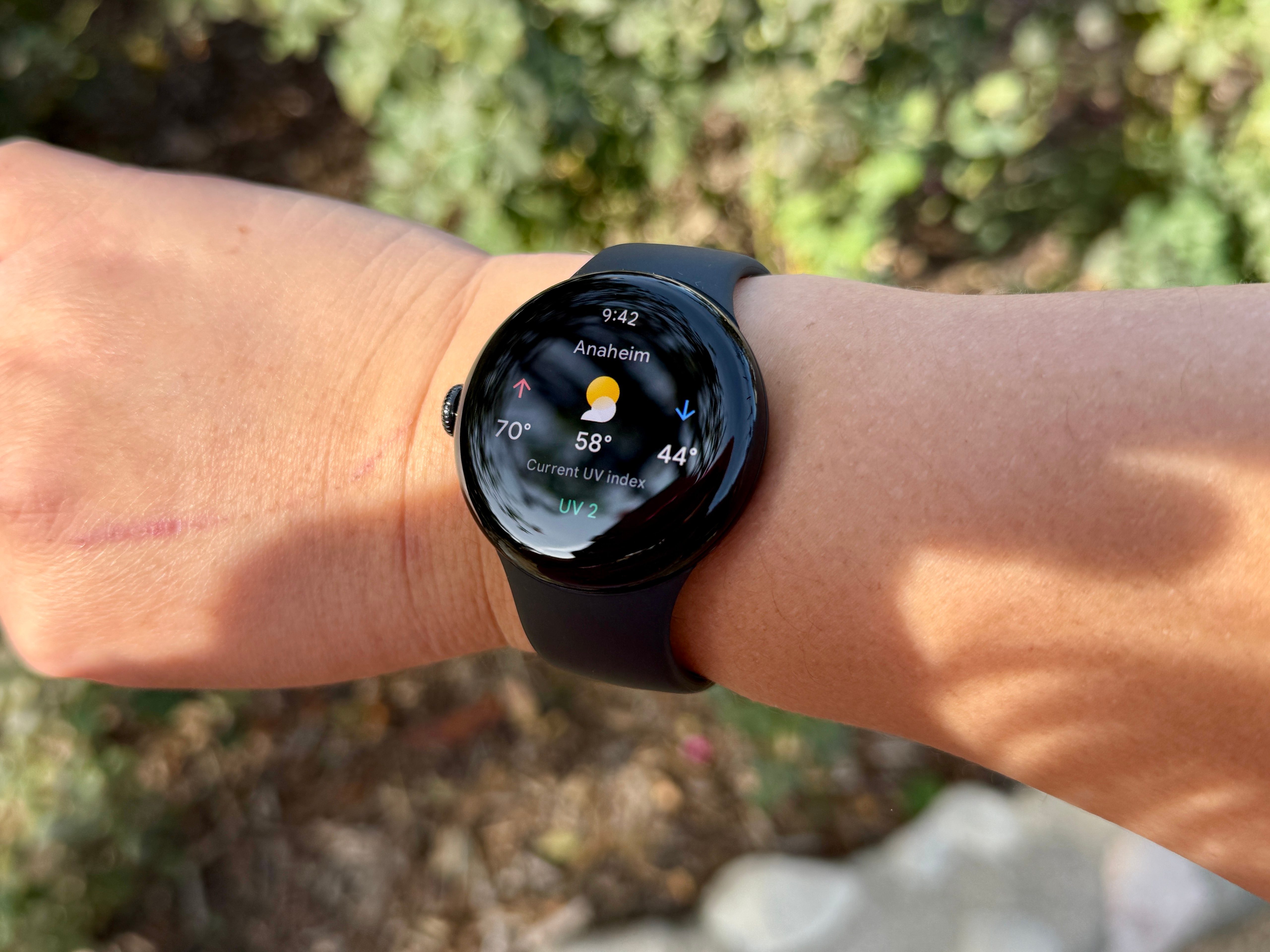
That makes a circular Watch more interesting as a new branch of the lineup rather than a replacement. Apple could have one Watch designed around maximizing information and another designed around blending into everyday life. But making that work would require much more than putting a round panel inside a new case. Apple would need to rethink watchOS, third-party apps, internal component placement, battery capacity, and potentially even the thickness of the device.
Of course, there is still a very real possibility that none of this ever happens. The original report says Apple is exploring different designs, not that a circular Watch is confirmed, and plans can change long before a product reaches the market. Still, if Apple does decide to go round, it could make the Apple Watch feel less like another gadget and more like a genuine everyday watch, even if that comes with some serious compromises.

