





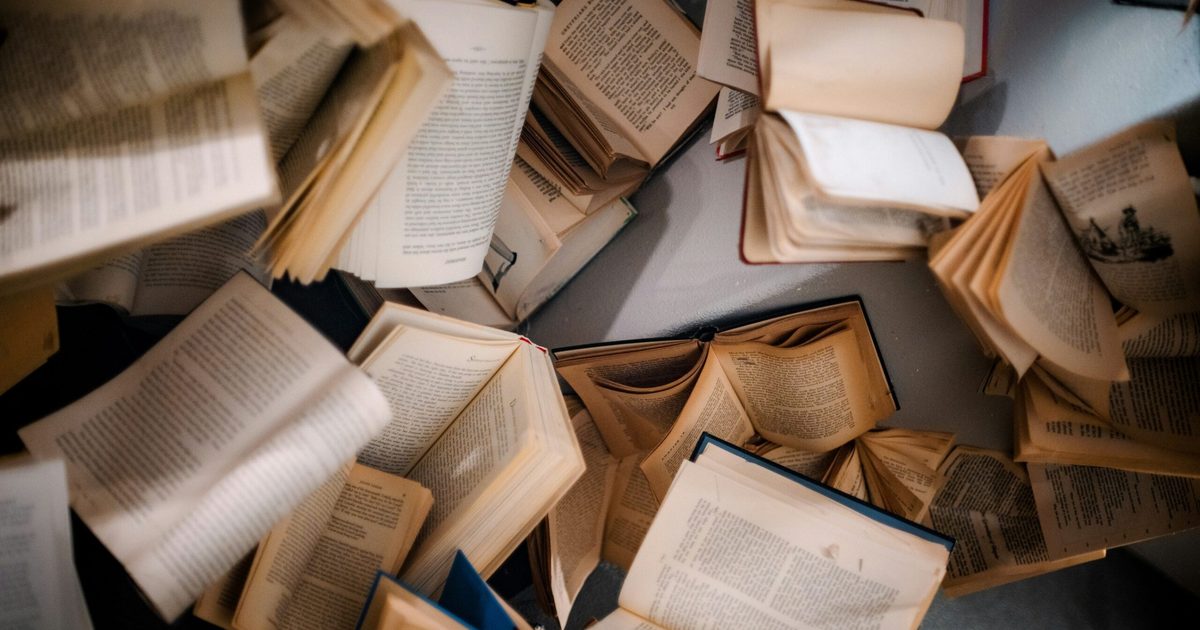
Secondhand booksellers have noticed a curious pattern over the past few months. Large orders are coming in for old books that often share no obvious subject, author, or genre, leaving sellers wondering who wants them and why.
According to The Guardian, booksellers in the U.K. and Ireland have received bulk orders covering everything from agricultural texts to racing biographies. Some buyers reportedly use opaque aliases, send orders to the same freight warehouses, and pay full price without negotiating bulk discounts. Similar activity has also surfaced in the U.S., Australia, and Europe.
There is no proof that AI companies are behind most of these purchases. But take a look at what has been happening elsewhere, and the theory doesn’t seem quite so far-fetched.
AI companies really do want old books
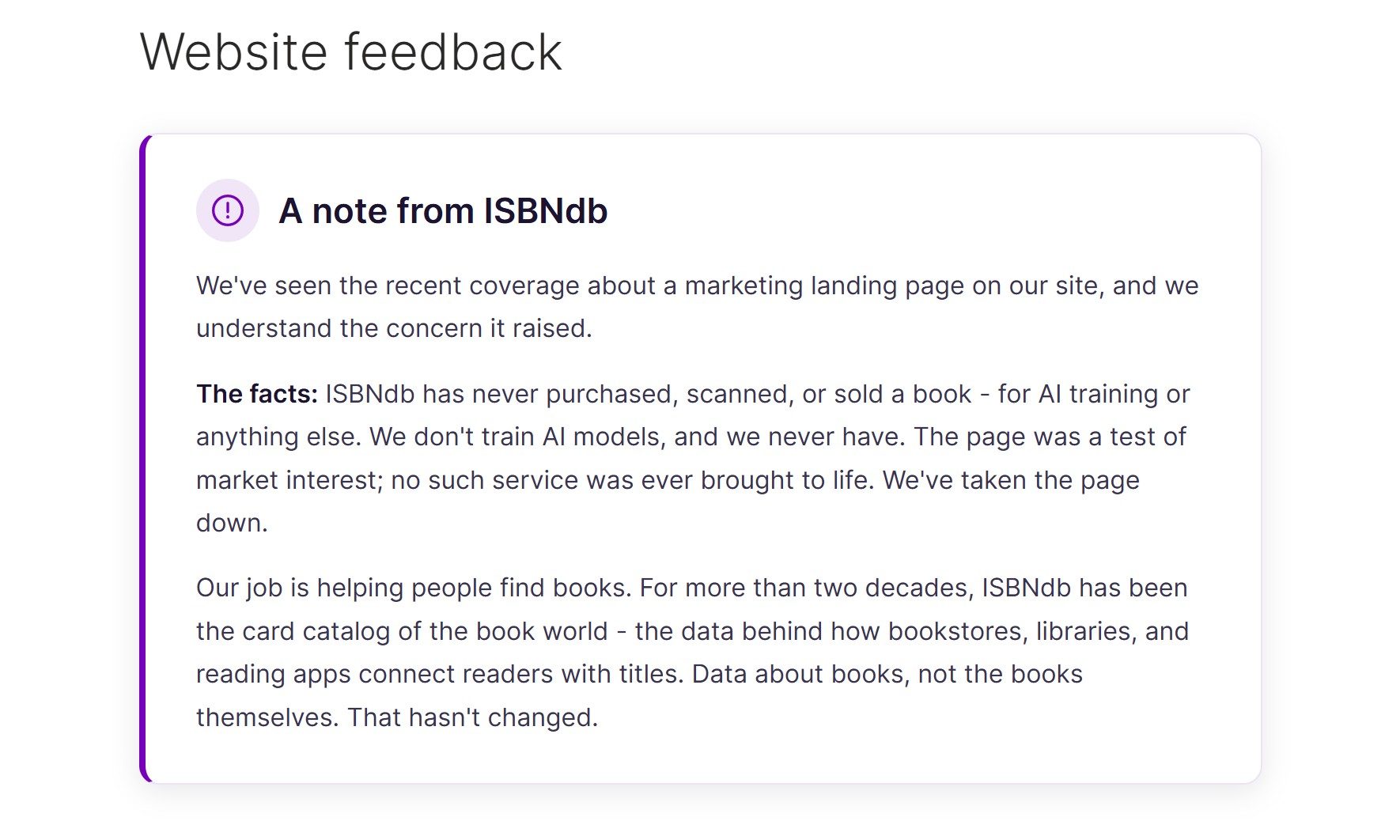
404 Media previously found an ISBNdb landing page advertising “Printed Books Sourcing for Your AI LLMs Dataset Needs.” ISBNdb removed the page on July 28, saying it had been part of an effort to explore demand and that the company had decided to move away from the idea.
Two days later, ISBNdb issued a more detailed clarification. It said it has never purchased, scanned, or sold a book for AI training, has never trained AI models, and that the proposed service was never actually launched.

There are other clues. The Atlantic reports that Singapore-based AI data company 2077AI has been linked to requests for thousands of specialized books, although that still doesn’t connect it to the wider buying spree.
One theory is that books published before the generative AI boom offer something increasingly valuable to model developers: large amounts of human-written material with little risk of containing AI-generated text. The removed ISBNdb page had also pitched older printed books as valuable training material for this reason.
Hopefully these books aren’t being destroyed
Unfortunately, we already know destructive scanning happens.
Court records previously revealed that Anthropic spent millions acquiring physical books, cutting off their spines, scanning the contents, and then sending the books for recycling while building its training library. Anthropic says its acquisition programs do not buy and destroy rare or antiquarian books.
As someone who spends a fair amount of time hunting for old and out-of-print books, though, the possibility bothers me. Some books only get limited print runs, and once those copies disappear, finding another one can be difficult. The idea that one of those remaining copies could be destroyed simply to extract its text for AI training doesn’t sit well with me. If AI companies really are behind these mystery orders, I just hope someone is checking what they’re cutting apart first.
