




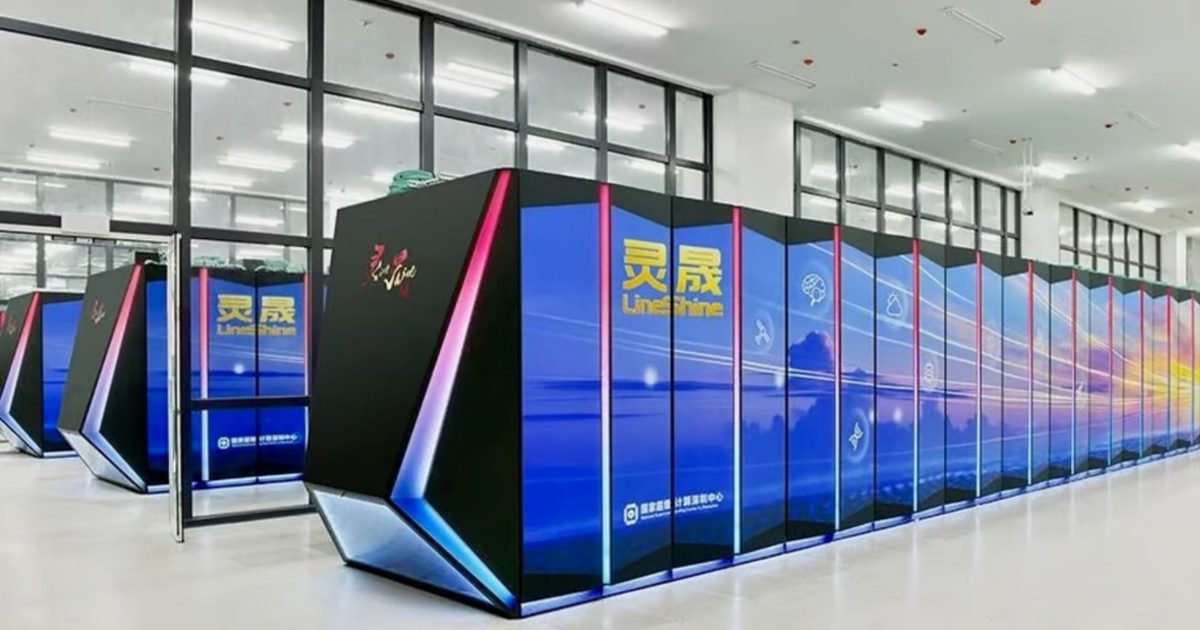
The race to build the world’s fastest supercomputer has been dominated by the United States. Now, China has stormed back into the lead. A newly ranked system called LineShine has claimed the No. 1 position on the latest Top500 list, a closely watched ranking of the planet’s most powerful supercomputers. The machine, located in Shenzhen, pushed past the U.S. government’s El Capitan system and became the first Chinese computer to top the list since 2017. That’s notable on its own. But what makes LineShine particularly interesting is how it got there.
The tortoise just outran the rocket
Most of today’s computing breakthroughs, especially those tied to artificial intelligence, revolve around powerful graphics processors, or GPUs. They’re the chips fueling everything from ChatGPT to cutting-edge AI research. LineShine took a different route. Instead of leaning on thousands of specialized AI processors, the system relies entirely on traditional CPUs. Despite that seemingly old-school approach, it achieved more than 2.1 exaflops of performance — enough to perform over two quintillion calculations every second.
It’s a reminder that while AI hardware gets most of the headlines, there are still multiple paths to raw computing power. And make no mistake: this isn’t just about bragging rights. Supercomputers are used for everything from medical research and climate modeling to advanced scientific simulations and national security projects. Topping the list has long been viewed as a symbol of technological leadership.
The world’s fastest computers have a surprisingly slow problem
The timing is also fascinating. Governments around the world are pouring billions into next-generation computing infrastructure. Europe is investing heavily in giant AI-focused facilities designed to train future models and accelerate research across healthcare, robotics, biotechnology, and industry.
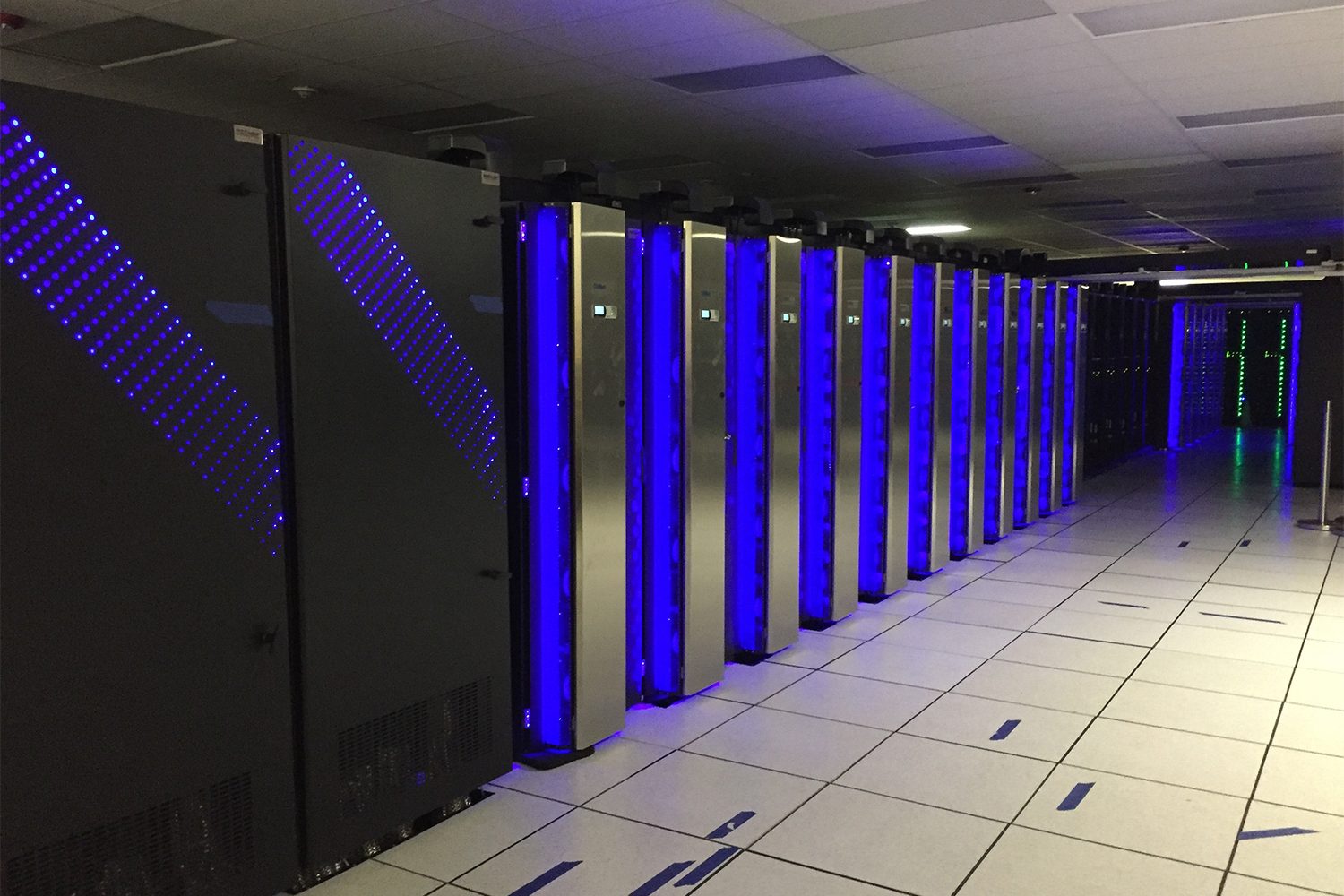
At the same time, concerns about energy use are growing louder. These massive systems consume enormous amounts of electricity, while some facilities also require significant water resources for cooling. So while LineShine’s arrival changes the standings, it also highlights a larger reality: the global computing race is accelerating. And increasingly, the battle isn’t just about who builds the fastest machine. It’s about who can build the future — and power it responsibly.