








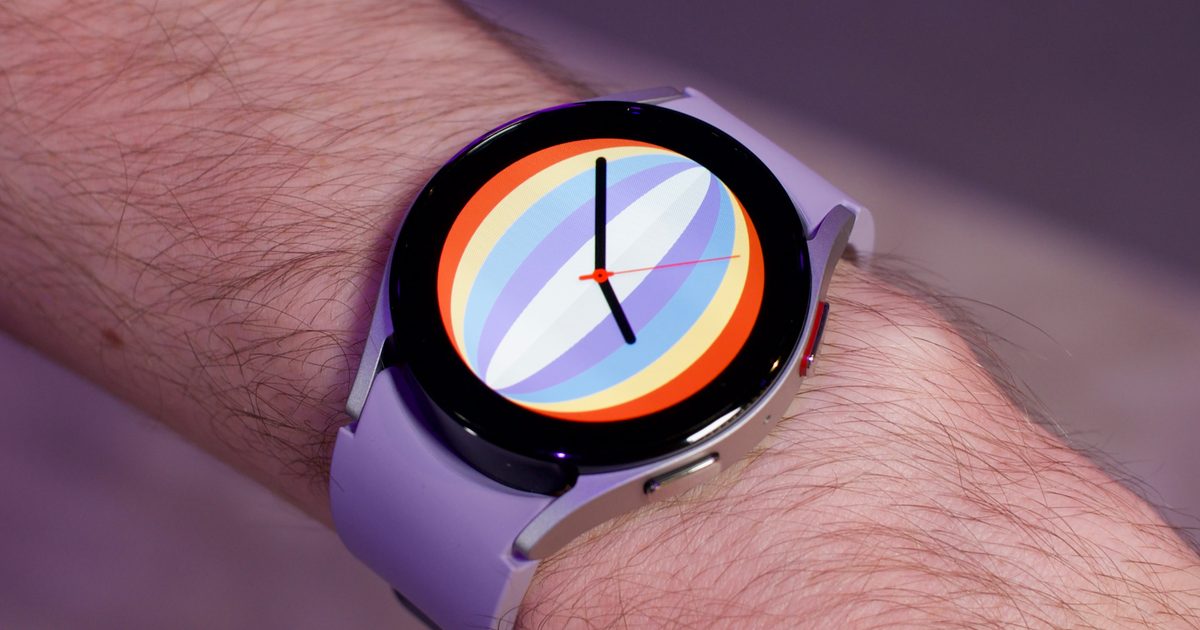
Samsung recently unveiled its latest premium smartwatches, including the Galaxy Watch 9 series and the flagship Galaxy Watch Ultra 2. Both come with fairly high price tags, but Samsung may already be preparing a more affordable alternative.
References found by SamMobile inside the Galaxy Wearable app point to a new smartwatch codenamed Galaxy Aero. More importantly, the code describes it as “galaxy_rtos_watch,” suggesting that it could run a real-time operating system instead of Google’s Wear OS.
What is RTOS, and why would Samsung use it?
RTOS stands for Real-Time Operating System. It is a lightweight platform designed to perform a defined set of tasks quickly while using far less processing power and memory than Wear OS. On a smartwatch, those tasks can include timekeeping, heart-rate monitoring, step counting, sleep tracking, and basic notifications. RTOS can run on low-powered microcontrollers using considerably less RAM than the application processors required by Wear OS.
The simpler hardware can also make these watches considerably cheaper to manufacture. Samsung would not need the same expensive processor, large amount of memory, or high-capacity battery found inside its premium Wear OS models, giving it more room to compete against affordable watches and fitness trackers from brands like Amazfit and Motorola. Lower power consumption also leads to much longer battery life. RTOS watches commonly last a week or more between charges, while most Wear OS models still need to be charged every day or two.
Longer battery life comes with compromises
Wear OS behaves more like a small Android phone. It supports downloadable apps, Google Maps, Wallet, Gemini, and a dedicated section of the Google Play Store. An RTOS-based Galaxy watch would likely depend on Samsung’s own health tools, watch faces, and built-in apps. Third-party app support could be limited, while notifications may offer fewer ways to reply or interact.

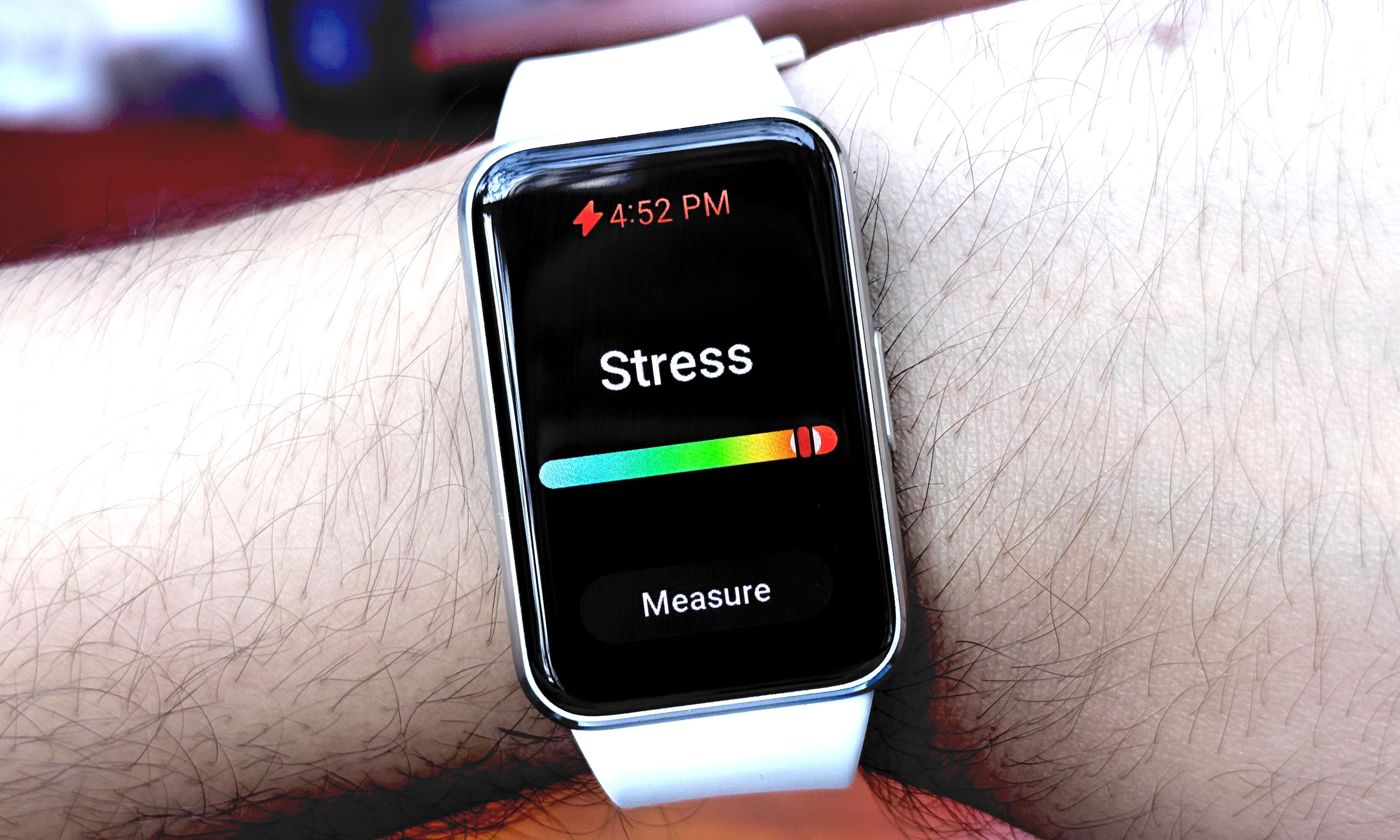
This would not be Samsung’s first wearable running RTOS. The Galaxy Fit 3 uses FreeRTOS and handles fitness tracking, sleep monitoring, media controls, and basic notifications using just 16MB of memory. It has a small 208mAh battery that can last almost two weeks. Galaxy Aero could offer a similar software experience, essentially making it a watch-shaped fitness band, unless Samsung is developing something more advanced for this unannounced smartwatch.
