Technologist Mag
  • Home
  • Tech News
  • AI
  • Apps
  • Gadgets
  • Gaming
  • Guides
  • Laptops
  • Mobiles
  • Wearables
  • More
    • Web Stories
    • Trending
    • Press Release

Subscribe to Updates

Get the latest tech news and updates directly to your inbox.

What's On
AI ‘Actor’ Tilly Norwood Told Me That ‘All Lives Matter’

AI ‘Actor’ Tilly Norwood Told Me That ‘All Lives Matter’

15 September 2026
ZuckOff Is a Free App That Sees Meta Glasses Before They See You

ZuckOff Is a Free App That Sees Meta Glasses Before They See You

15 September 2026
Join WIRED@Night for an Uncanny Valley Live Recording on Women, Tech and Power

Join WIRED@Night for an Uncanny Valley Live Recording on Women, Tech and Power

15 September 2026
If the US Collapses Soon, Don’t Blame Emily St. John Mandel

If the US Collapses Soon, Don’t Blame Emily St. John Mandel

15 September 2026
Those Viral Bodega Peptides Aren’t Actually Peptides

Those Viral Bodega Peptides Aren’t Actually Peptides

15 September 2026
Facebook X (Twitter) Instagram
Technologist Mag
SUBSCRIBE
  • Home
  • Tech News
  • AI
  • Apps
  • Gadgets
  • Gaming
  • Guides
  • Laptops
  • Mobiles
  • Wearables
  • More
    • Web Stories
    • Trending
    • Press Release
Technologist Mag
Home » A boring tile wants to fix the worst problem of ultra-fast mmWave 5G connections for you
Tech News

A boring tile wants to fix the worst problem of ultra-fast mmWave 5G connections for you

By technologistmag.com20 August 20263 Mins Read
A boring tile wants to fix the worst problem of ultra-fast mmWave 5G connections for you
Share
Facebook Twitter Reddit Telegram Pinterest Email

5G’s millimeter-wave technology can deliver incredibly fast wireless speeds, but it has an annoying weakness: those signals don’t like getting around things. Walls, furniture, people, and even moving a few feet can cause mmWave connections to weaken dramatically. Now, researchers at the University of California San Diego are proposing a surprisingly boring solution: cheap reflective tiles that simply bounce the signal where it needs to go.

The problem with really fast 5G

mmWave sits at the higher-frequency end of wireless communications and offers much more bandwidth than conventional cellular frequencies. That’s what makes it attractive for extremely high-speed connections, but the trade-off is propagation. Signals can suffer significant path loss and are particularly vulnerable to obstructions.

As you’d expect, that creates a frustrating scenario indoors. A phone might have an excellent mmWave connection in one spot, only for the signal to fall apart after someone walks between it and the access point. Fixing that normally means adding more access points, powered relays, or sophisticated reconfigurable intelligent surfaces, all of which add cost and complexity. Thankfully, UC San Diego’s idea is considerably simpler: don’t generate another signal, just redirect the one that’s already there.

Meet the $2 signal bouncer

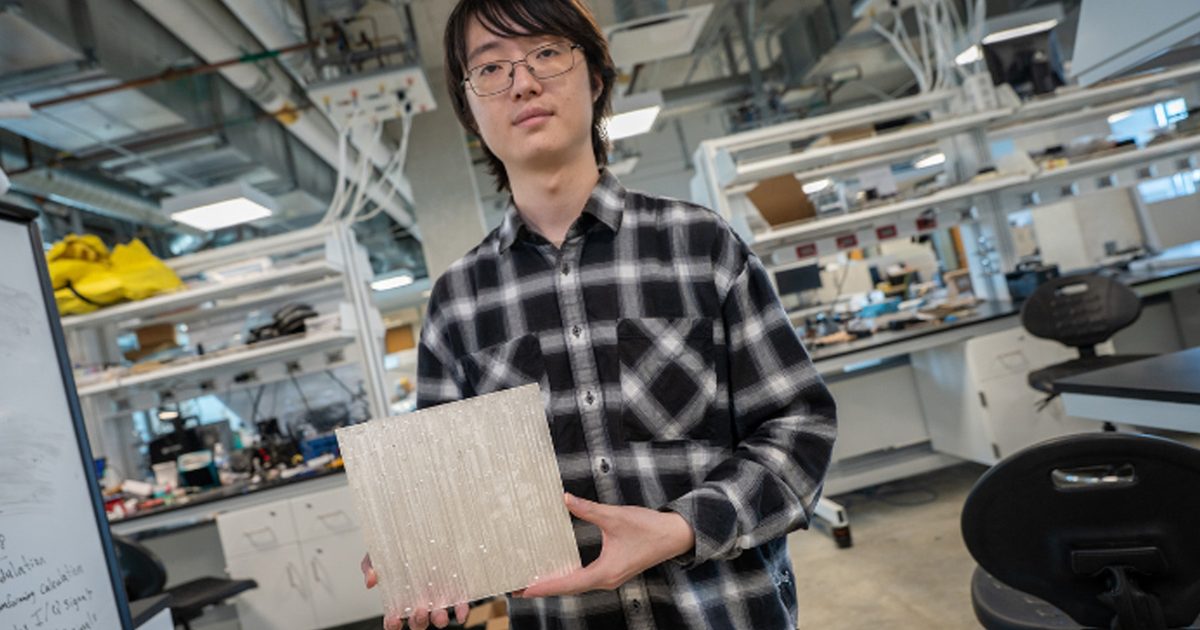
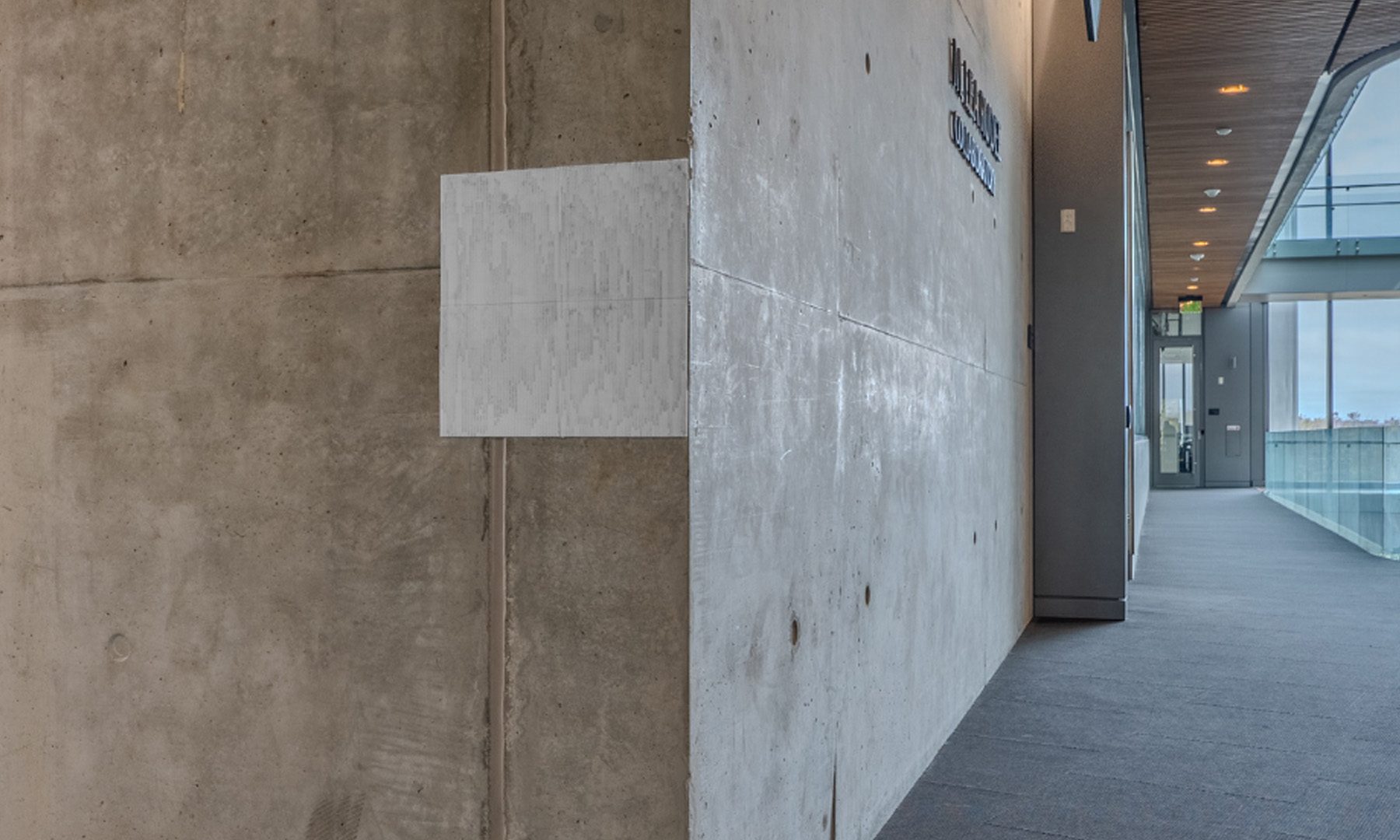
The researchers developed passive metasurfaces, essentially 3D-printed reflective tiles designed to redirect mmWave signals. The tiles don’t need batteries, power supplies, control electronics, or constant coordination. Instead, multiple inexpensive surfaces can be arranged around an environment to guide wireless signals toward areas that would otherwise be poorly covered.
The lightweight 3D-printed tiles nearly double average indoor mmWave data rates without requiring power or network modifications

The UC San Diego team calls the approach FlowForm, and its research suggests that networks of these cheap passive surfaces can rival more expensive active approaches. At roughly $2 per tile, the economics are particularly interesting: rather than installing another complicated piece of networking hardware every time a signal hits a troublesome wall, a building could potentially use a collection of almost comically simple reflectors.

The boring solution might be the clever one

Of course, this doesn’t mean every 5G tower suddenly needs to be surrounded by a wall of shiny tiles. The technology is still research, and real-world deployment would involve figuring out how many surfaces are needed, where they should be placed, and how well they perform in different environments.
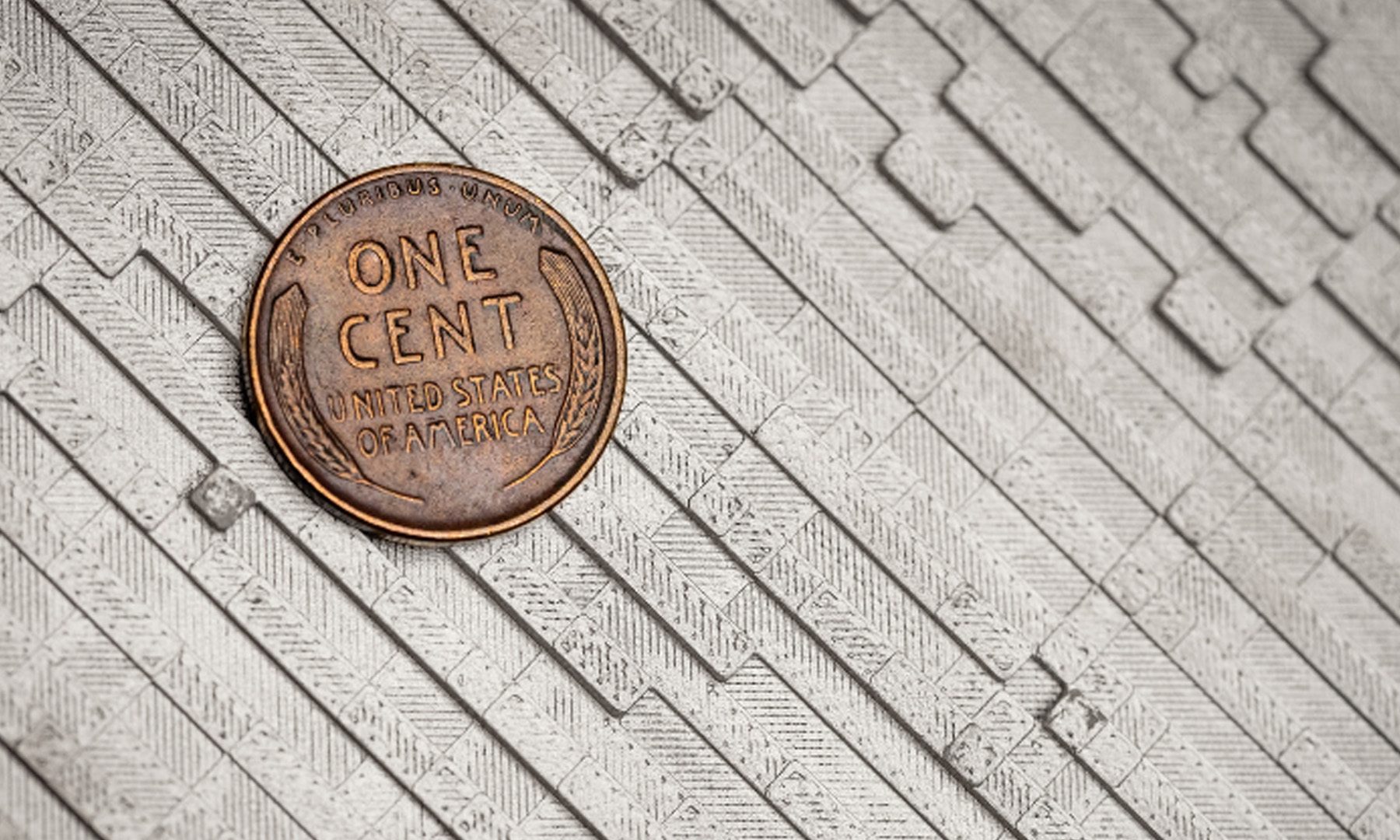
Each 6x6-inch tile contains thousands of tiny elements that passively redirect mmWave signals around obstacles

But the underlying idea is compelling because it tackles one of mmWave’s biggest problems without adding another power-hungry gadget to the network. As wireless systems push toward ever-higher frequencies and faster connections, sometimes the cleverest solution isn’t another complicated chip or antenna. Sometimes, apparently, it’s a $2 piece of plastic telling a radio signal where to go.

Share. Facebook Twitter Pinterest LinkedIn Telegram Reddit Email
Previous ArticleMy Mac never tells me where my internet goes, so I found an app that does
Next Article Salmonella Is Everywhere | WIRED

Related Articles

AI ‘Actor’ Tilly Norwood Told Me That ‘All Lives Matter’

AI ‘Actor’ Tilly Norwood Told Me That ‘All Lives Matter’

15 September 2026
ZuckOff Is a Free App That Sees Meta Glasses Before They See You

ZuckOff Is a Free App That Sees Meta Glasses Before They See You

15 September 2026
Join WIRED@Night for an Uncanny Valley Live Recording on Women, Tech and Power

Join WIRED@Night for an Uncanny Valley Live Recording on Women, Tech and Power

15 September 2026
If the US Collapses Soon, Don’t Blame Emily St. John Mandel

If the US Collapses Soon, Don’t Blame Emily St. John Mandel

15 September 2026
Those Viral Bodega Peptides Aren’t Actually Peptides

Those Viral Bodega Peptides Aren’t Actually Peptides

15 September 2026
The Best Meal Delivery Services and Meal Kits of 2026

The Best Meal Delivery Services and Meal Kits of 2026

15 September 2026
Stay In Touch
  • Facebook
  • Twitter
  • Pinterest
  • Instagram
  • YouTube
  • Vimeo

Subscribe to Updates

Get the latest tech news and updates directly to your inbox.

Don't Miss
ZuckOff Is a Free App That Sees Meta Glasses Before They See You

ZuckOff Is a Free App That Sees Meta Glasses Before They See You

By technologistmag.com15 September 2026

The free mobile app ZuckOff, built by 30-year-old Polish developer Pawel Szydlowski, uses a Bluetooth…

Join WIRED@Night for an Uncanny Valley Live Recording on Women, Tech and Power

Join WIRED@Night for an Uncanny Valley Live Recording on Women, Tech and Power

15 September 2026
If the US Collapses Soon, Don’t Blame Emily St. John Mandel

If the US Collapses Soon, Don’t Blame Emily St. John Mandel

15 September 2026
Those Viral Bodega Peptides Aren’t Actually Peptides

Those Viral Bodega Peptides Aren’t Actually Peptides

15 September 2026
The Best Meal Delivery Services and Meal Kits of 2026

The Best Meal Delivery Services and Meal Kits of 2026

15 September 2026
Technologist Mag
Facebook X (Twitter) Instagram Pinterest
  • Privacy
  • Terms
  • Advertise
  • Contact
© 2026 Technologist Mag. All Rights Reserved.

Type above and press Enter to search. Press Esc to cancel.