




At Gamescom 2026, I sat down with Gordon Tong, Senior Director, Product Strategy and Planning, Gaming at JBL, to talk about something that can make or break a gaming session: audio.
What started as a conversation about wireless gaming quickly turned into a broader discussion about JBL’s Quantum strategy, AI-powered audio, and why the company believes its biggest advantage isn’t necessarily being the loudest name in gaming. Spoiler: it thinks its advantage is being JBL.
Wireless has already won
According to Gordon, wireless gaming audio has moved well beyond its experimental phase. Gamers who once demanded wired connections and “zero latency” are increasingly comfortable with low-latency wireless. The market certainly seems to be heading that way.
“Gamers have psychologically transitioned from demanding wired, zero-latency connections to accepting low-latency wireless solutions. It has been a real mental shift for the market.”
Wireless gaming audio has moved well beyond its experimental phase. What was once considered a compromise for gamers who refused to give up wired connections is now a perfectly normal part of a modern gaming setup. The technology has matured, latency has come down dramatically, and gamers are increasingly more interested in the convenience of wireless than in obsessing over the milliseconds.
And honestly, as a gamer, I’m right there with Gordon. If I can’t feel the difference while playing Valorant, I’m not particularly interested in knowing whether my audio travelled through a cable or through the air.
JBL’s secret weapon isn’t RGB
So how does JBL compete with Logitech, Razer and SteelSeries? Gordon doesn’t really see it as a traditional fight. Instead, JBL is leaning heavily into something its competitors can’t simply manufacture overnight: decades of audio expertise.
“Put it this way: it’s not strictly about competing. Everyone provides different solutions for gamer needs. When people choose our brand, they know JBL as a sound legend, so by default we commit to that acoustic standard across all price tiers.”
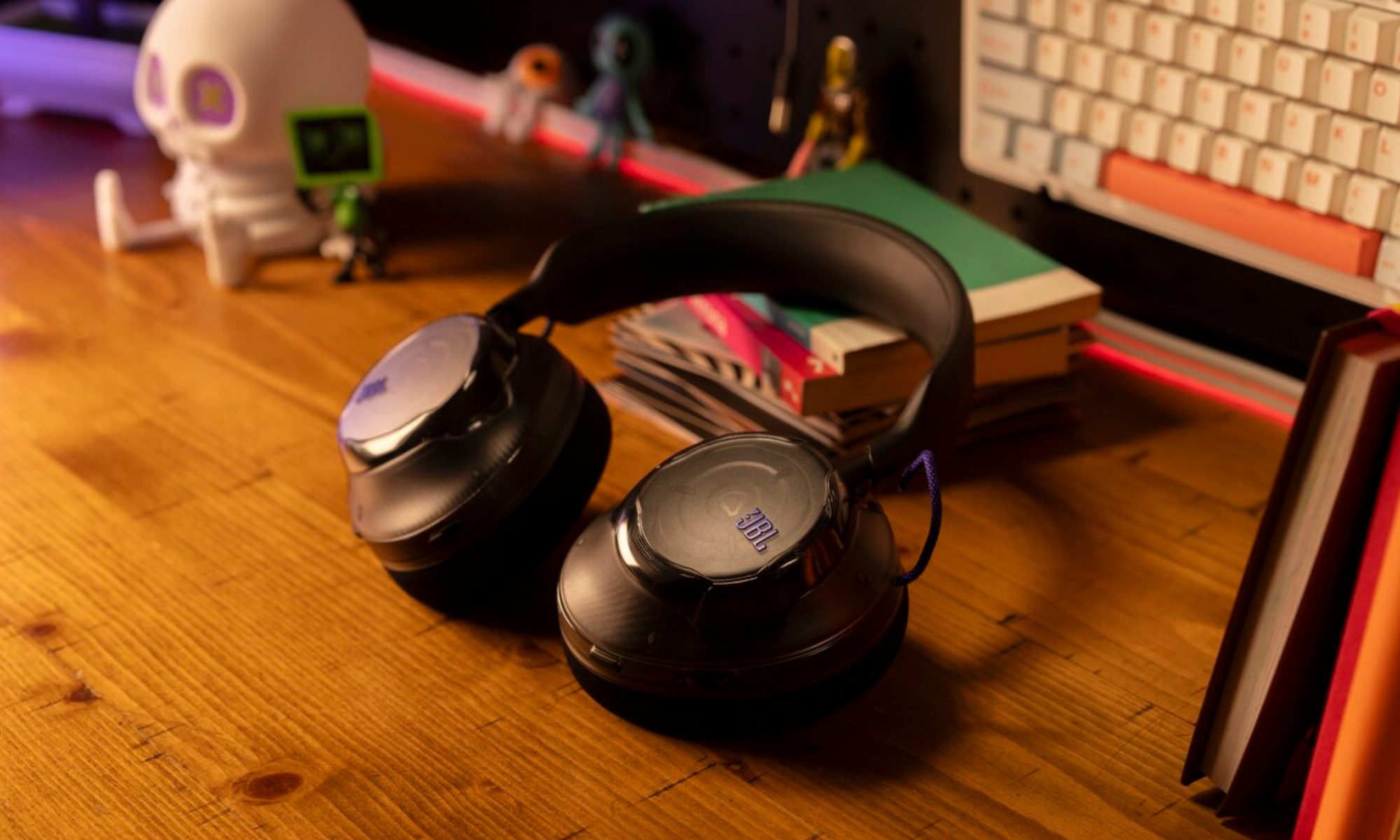
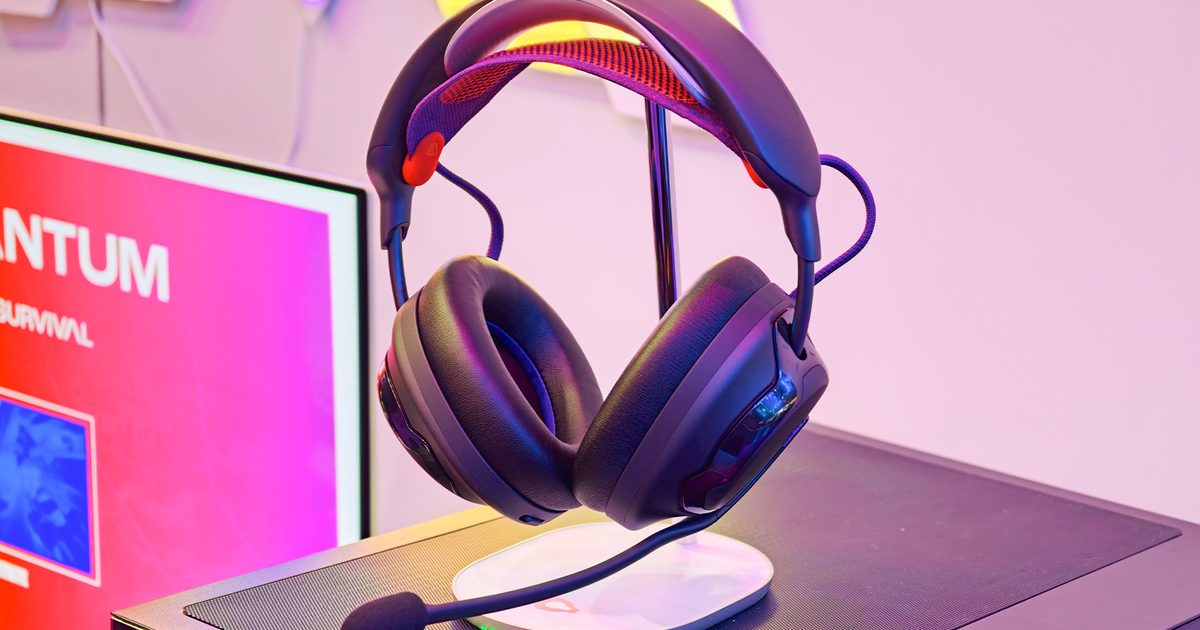
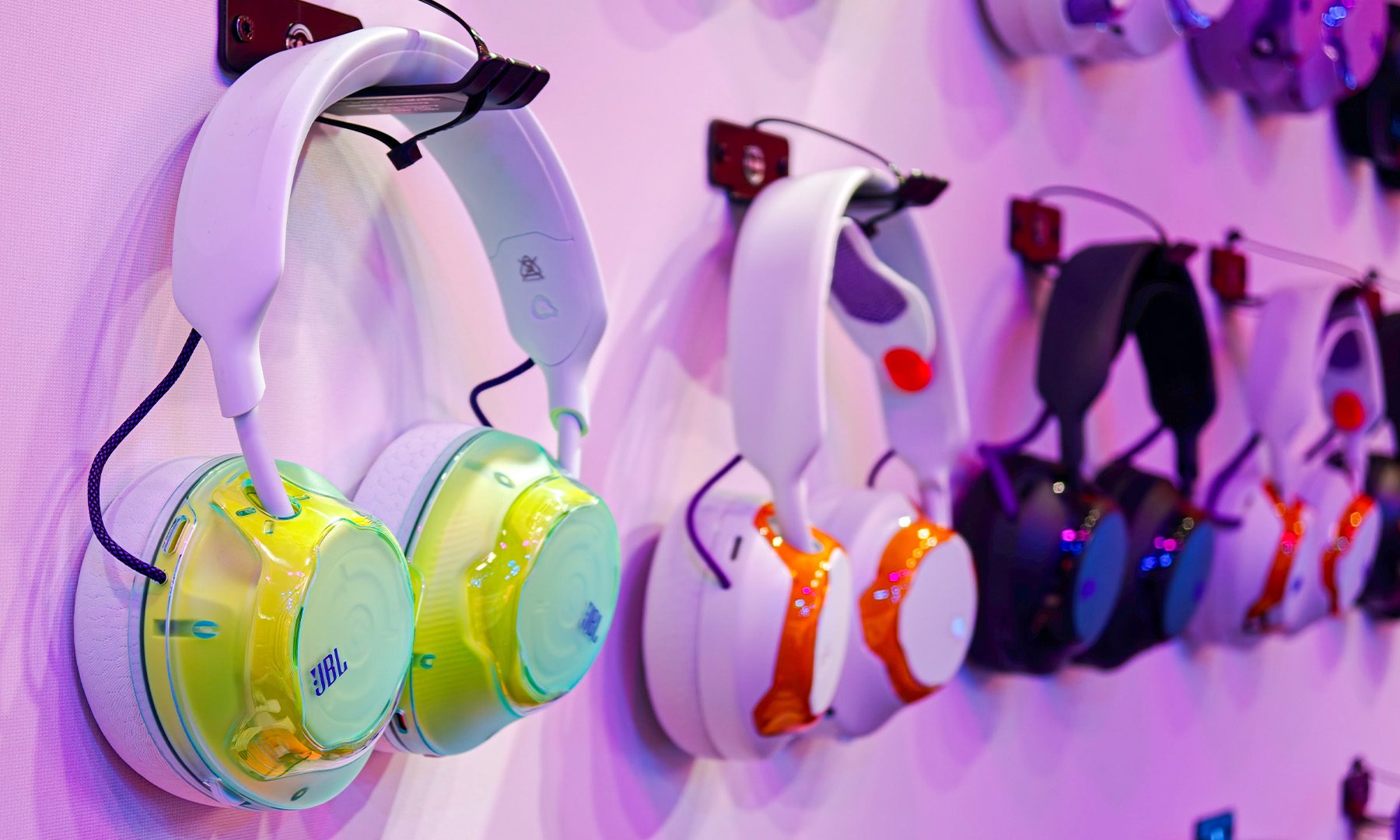
That philosophy is particularly interesting when you look at JBL’s refreshed Quantum lineup. The new $49.95 Quantum 120 and $129.95 Quantum 520X both use 50mm carbon dynamic drivers, as does the company’s higher-end Quantum range.
“Whether we are making a $400 headset or a $45 headset, we use the exact same driver — a 50mm carbon dynamic driver.”
And JBL clearly wants us to pay attention to that driver. Carbon-based diaphragms are valued in dynamic-driver design for their combination of stiffness and low mass, which can help control unwanted diaphragm flexing and resonance. JBL says its particular carbon damping material is designed for low distortion and detailed sound, while its latest Quantum 850 adds enhanced high-frequency extension to improve sound localization.
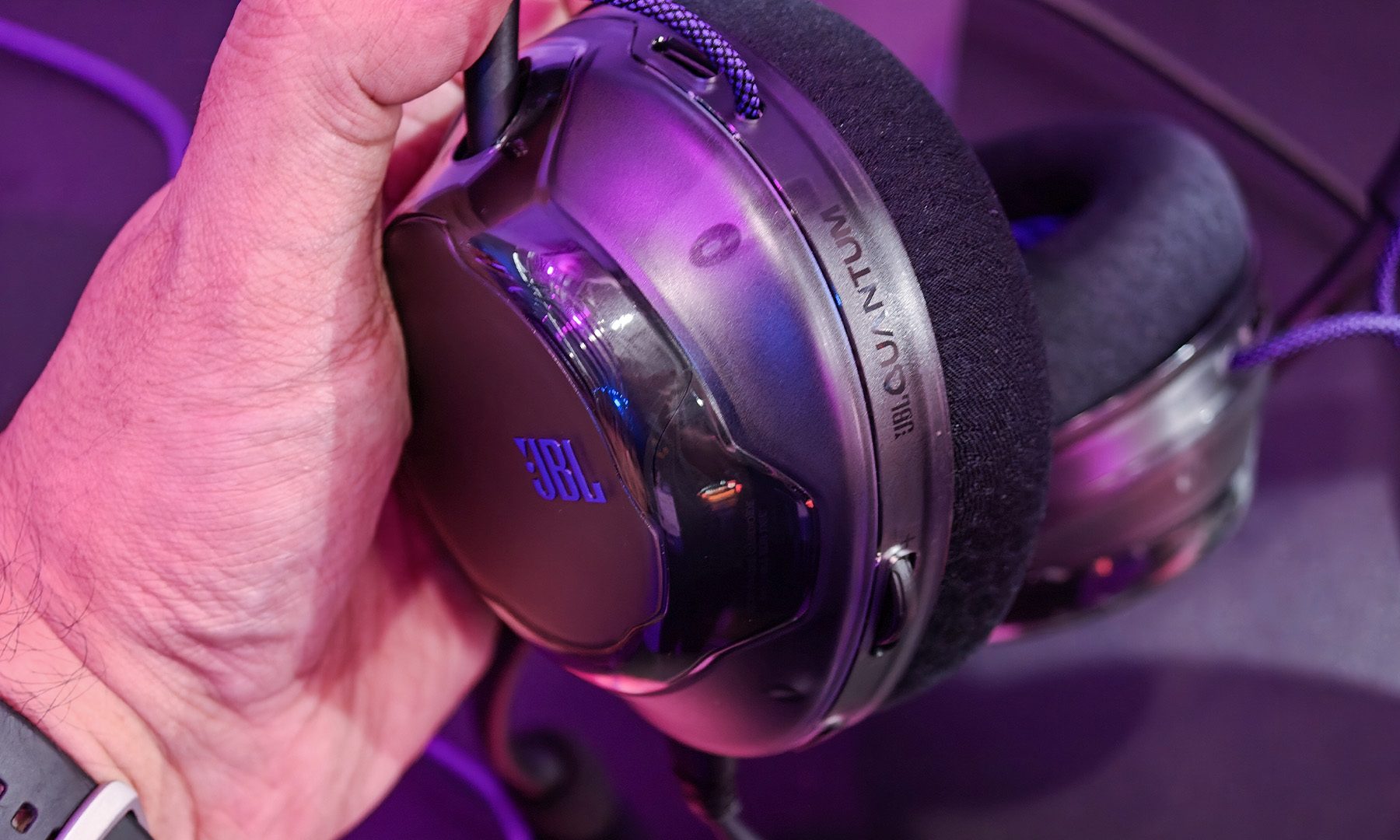
In less audiophile-ish terms: the driver is essentially the bit doing the shouting inside your headset. A better-controlled driver can make tiny details cleaner and easier to pick out — useful when that distant footstep is the difference between “I heard something” and “there’s a Jett behind me.”
AI wants to hear your enemy before you do
The most intriguing part of our conversation was JBL’s AI Footstep Booster. Unlike a static EQ that blindly boosts high frequencies and turns every nearby flashbang into an ear-piercing nightmare, JBL says its engine continuously analyses the game audio and dynamically identifies important sounds, from footsteps and voices to gunshots and explosions.
“Our algorithm actually analyzes and understands game sound to isolate and automatically boost footstep frequencies dynamically.”
As someone who has spent an embarrassing amount of time tweaking EQ settings specifically to hear footsteps in Valorant, I’m intrigued. The problem with the traditional approach is that boosting the frequencies where footsteps live can also make everything else louder and harsher.
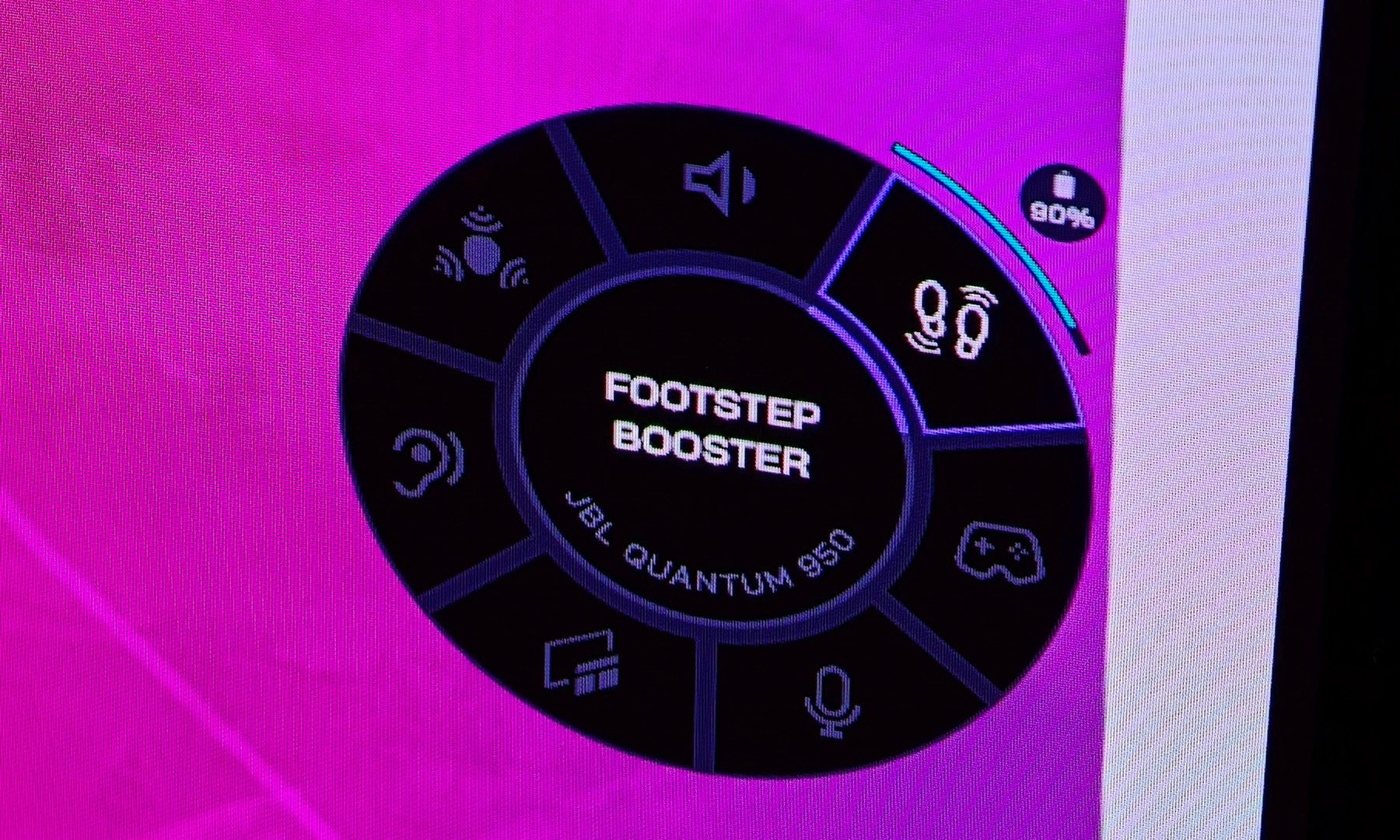
If JBL can genuinely isolate the useful stuff without turning the rest of the game into audio mush, that’s considerably more interesting than another EQ slider. The feature is currently planned for Q4 2026 and initially targets leading FPS games.
TWS is brilliant… until the battery dies
We also got onto True Wireless earbuds, an area where JBL has already established a presence with its Quantum TWS range.
This one became particularly personal because I actually use the JBL Quantum TWS. I love the comfort, sound, and immediacy of the in-ear design. My biggest complaint, though? Battery life. During Valorant, two matches can be enough to make me start eyeing the charging case.
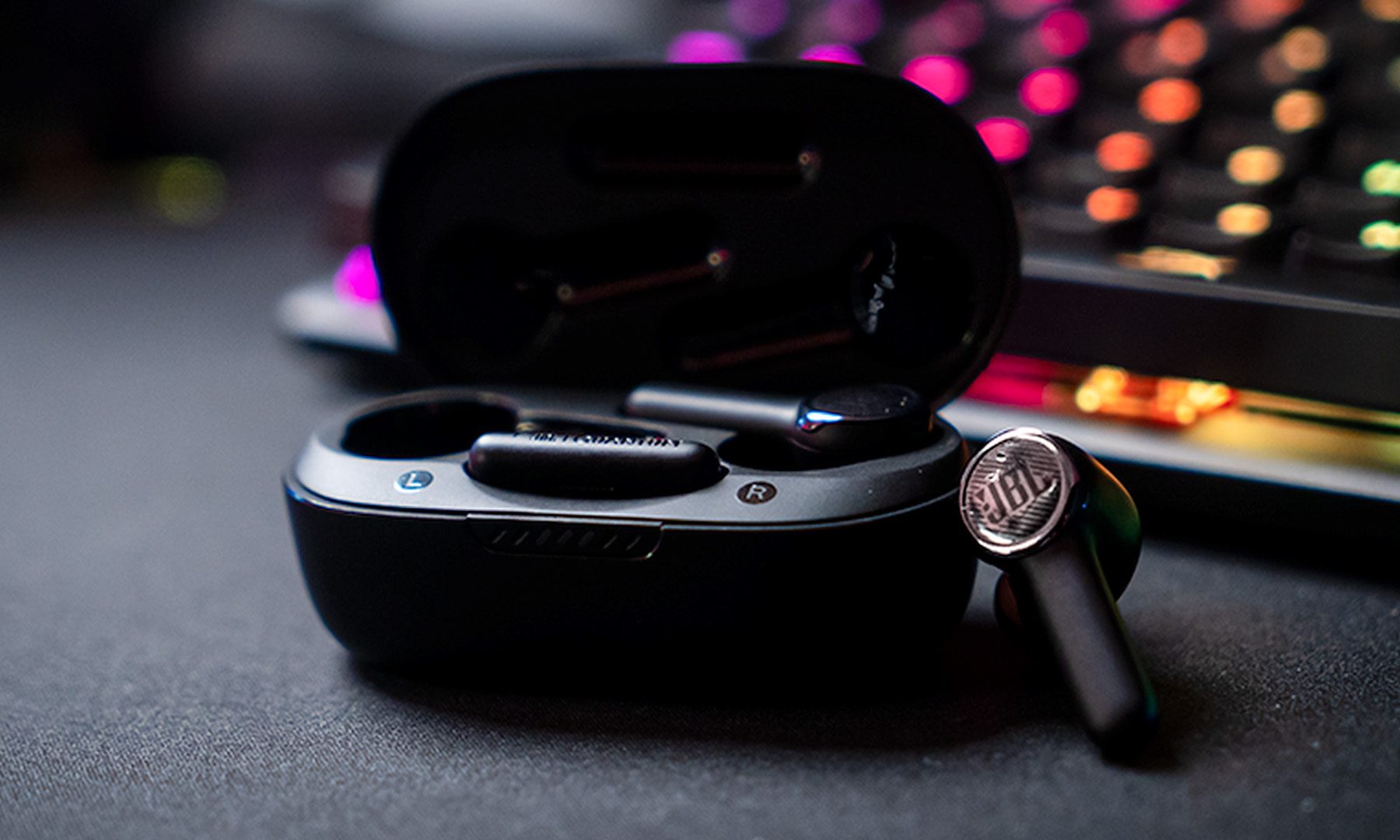
Thankfully, Gordon was refreshingly candid about the trade-off. TWS makes particular sense for mobile gaming, while PC and console gamers are more likely to treat it as a multipurpose device. And honestly, physics remains undefeated: tiny earbuds simply don’t have the battery capacity of a full-size headset.
JBL isn’t trying to be Razer
Perhaps the most revealing thing Gordon told me is that JBL isn’t trying to beat its gaming competitors by copying them.
“While competitors have been in gaming for decades, JBL launched its Quantum line six years ago. Rather than relying on traditional marketing, we focus on real, personalized sound technology.”
That’s ultimately what I took away from our conversation. JBL entered gaming later than many of today’s established players, so trying to become another Razer or Logitech would hardly be the smartest way to stand out. Instead, it is leaning into sound, then building smarter software around it. Wireless has become fast enough that latency alone isn’t much of a differentiator anymore. Headsets are getting smarter, game-specific profiles are becoming more sophisticated, and AI is starting to do something more useful than simply appearing in a product’s marketing slide.
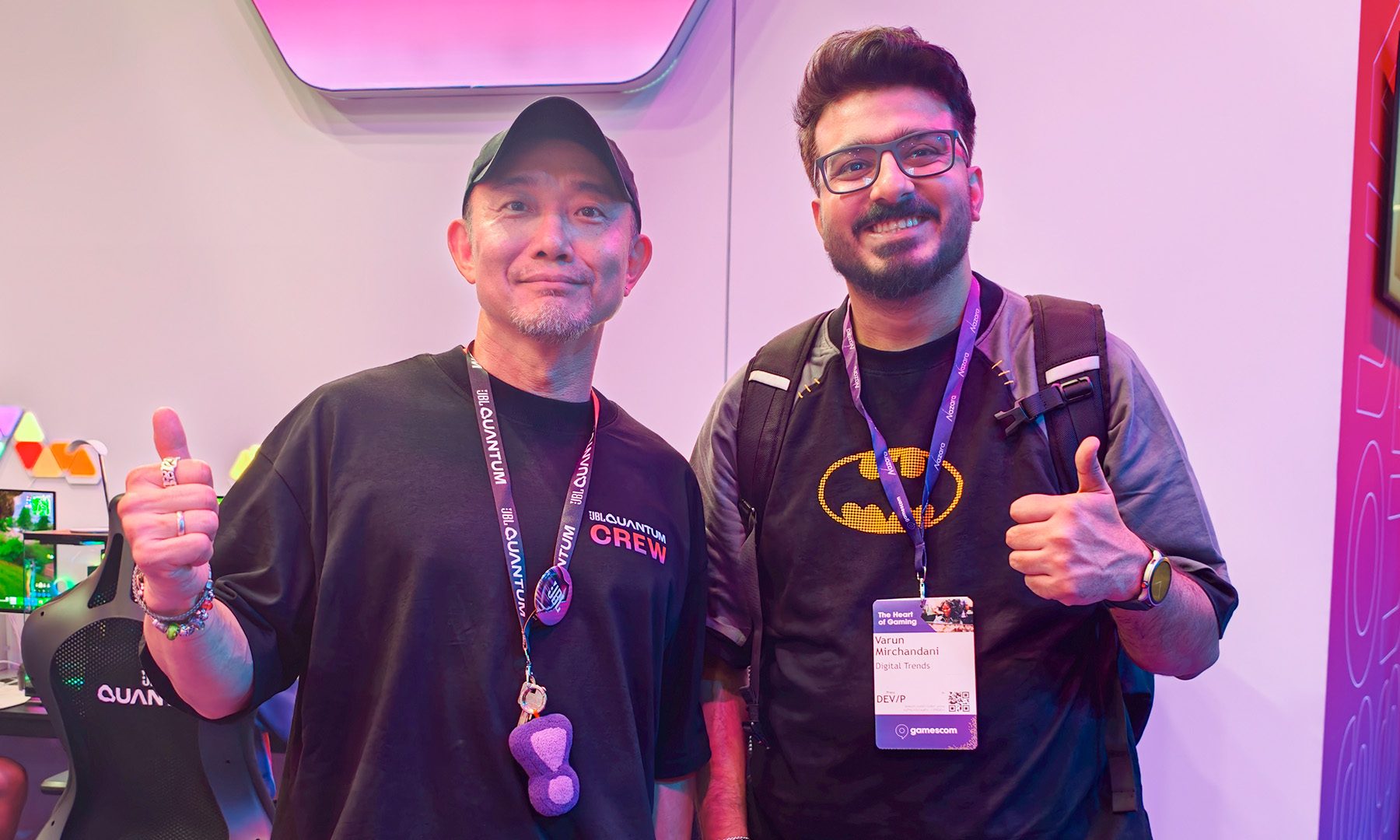
JBL bets that the next battle will be about what those technologies actually do for your ears. And if it can make an affordable headset sound more like JBL while helping you hear the enemy sneaking up behind you, that’s a gaming strategy I can get behind.