



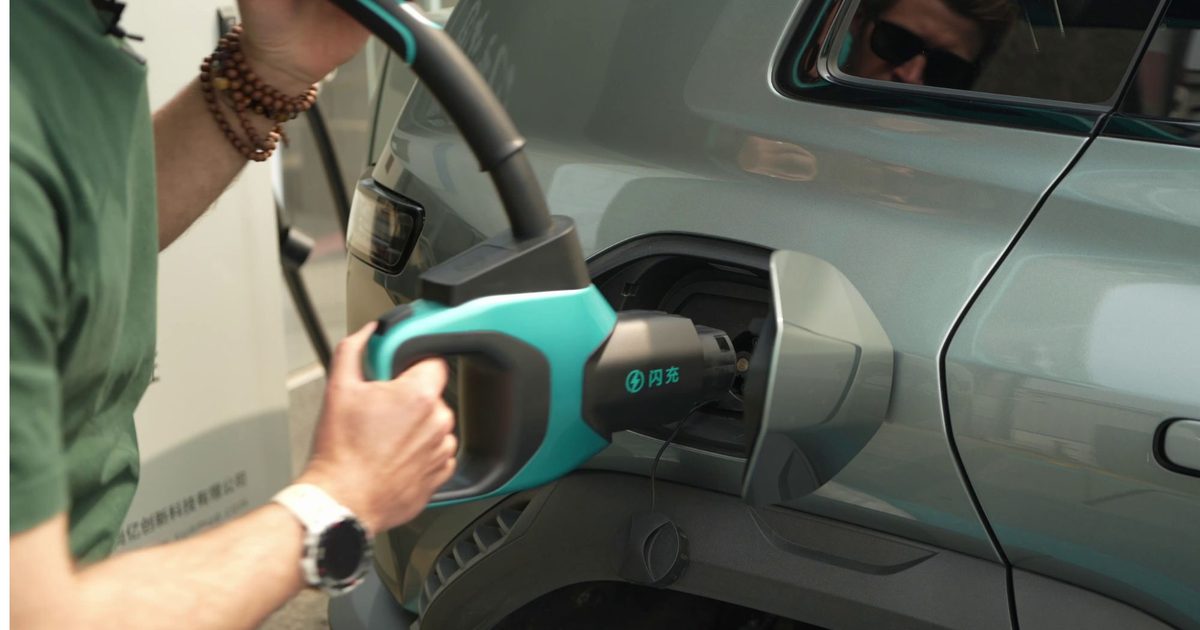
A real-world test of BYD’s Megwatt Flash Charge technology showed the battery hitting 169.6°F during a charging session. That’s hot enough to roast a turkey, and well above China’s recommended safety ceiling of 149°F for lithium iron phosphate battery cells. The test, conducted by an automotive blogger who livestreamed the session (via ChinaEVHome), has raised concerns about whether the heat generated by ultra-fast charging degrades long-term battery health.
Why the heat matters
Under normal driving and charging conditions, EV battery cells typically operate between 68°F and 86°F, with most vehicles flagging overheating warnings above 140°F. Temperatures in the range recorded during the test put stress on the Solid Electrolyte Interphase (SEI) layer, a protective barrier that keeps the electrolyte separated from the anode while still allowing lithium ions to flow.
Battery experts say this layer can start breaking down above 158°F. This raises questions about whether repeated exposure to such temperatures could accelerate battery wear over time.
BYD reportedly anticipated the scrutiny. When it unveiled the second-gen Blade Battery, company executives pointed to a lifetime warranty on battery cells and said the new pack raises capacity retention standards by 2.5% over the previous generation. BYD also demonstrated the battery’s resilience by deliberately short-circuiting four cells and leaving them in that state for 24 hours, with no fire or explosion reported.
The bigger picture
BYD is not alone in pushing the limits of charging speed. While its technology outpaces several automakers, including Tesla, Porsche, Hyundai, and Lucid, Chinese competitors like CATL and Geely have developed battery platforms with charging rates that exceed BYD’s current megawatt charging performance.
As the industry races toward ever-faster charging, managing heat without sacrificing battery longevity is becoming just as important as the speed itself. CATL has already claimed to have cracked the problem with its 5C lithium-ion battery, though the tech has yet to reach the market.