






A fake beard might be the funniest new loophole in online safety check. According to a recent Internet Matters report, some children have been drawing facial hair on themselves to trick facial age-estimation tools into thinking they are older. One parent said their 12-year-old used an eyebrow pencil to draw a moustache and was verified as 15.
Can a fake beard really beat online age checks?
It sounds funny at first, however, this trick points to a much bigger cat-and-mouse problem. Platforms are adding stricter checks because of laws like the U.K. Online Safety Act, while younger users are finding ways around them almost as quickly. Internet Matters found that 53% of children had recently been asked to verify their age online, but 46% said age checks are easy to bypass. A third of children said they had already done so.
The workarounds are not always high-tech. Kids still use fake birthdates, someone else’s login, a parent’s or sibling’s device, or another person’s ID. Others use VPNs, upload photos or videos of older people, or point their phone’s camera at a screen showing an adult-looking face. In one reported workaround, users displayed Sam Porter Bridges from Death Stranding 2, played by Norman Reedus, in the game’s high-fidelity photo mode and used that image to get past face-based age checks.
Why are platforms struggling to keep kids out?
Age checks are also becoming more common across major platforms, especially where chats, mature content, and teen safety settings are involved. Roblox, for example, has been tightening rules around age-based chat access, while Discord’s age verification rollout showed how messy these systems can get when users are suddenly asked to prove their age. Meta is leaning on AI to detect whether teens are being honest about their age, and Steam’s adult content crackdown shows how age checks are now affecting gaming stores too. Platforms are under pressure to keep younger users away from inappropriate spaces, but every new barrier also gives kids another workaround to test.
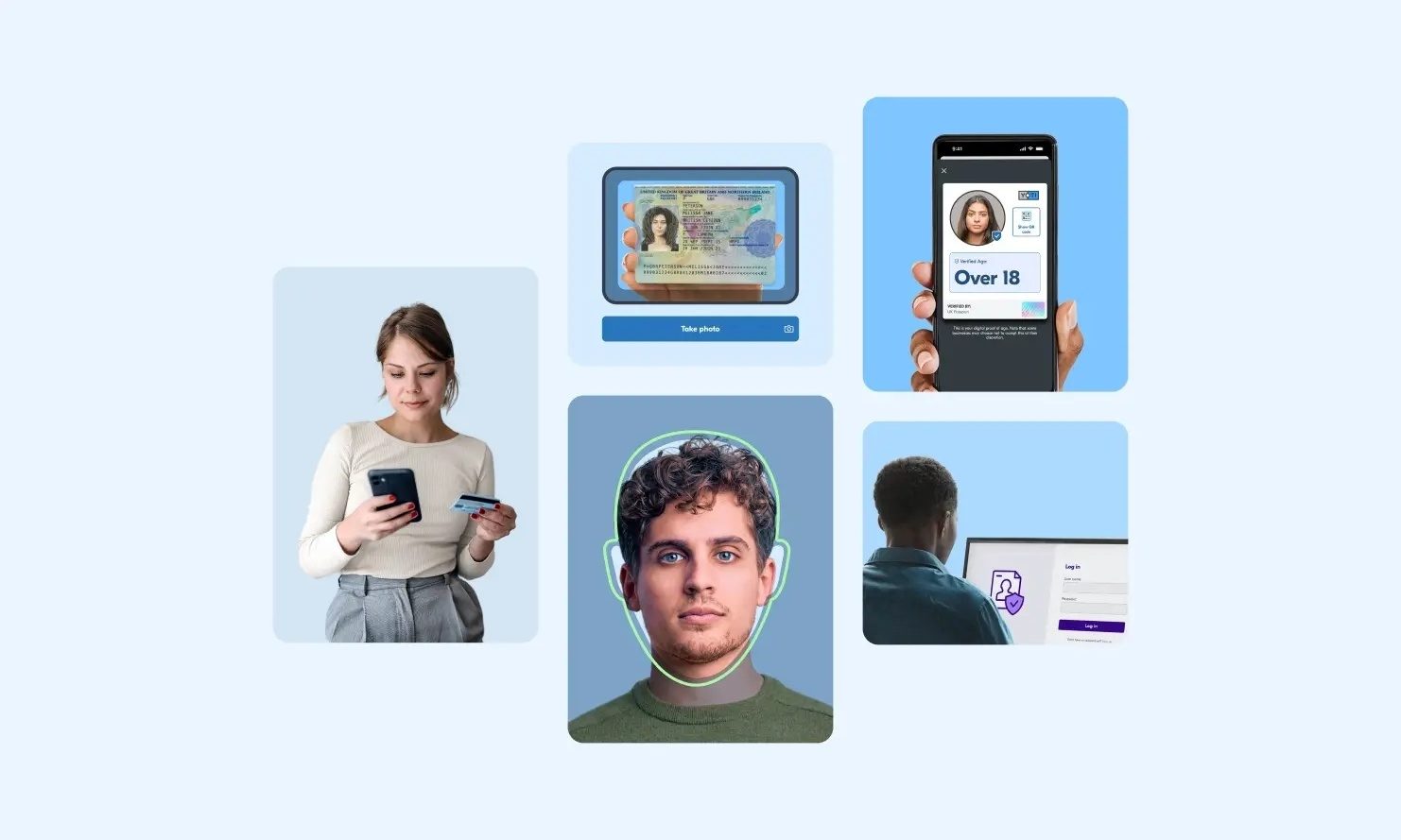
Tougher checks also come with their own baggage. Face scans, ID uploads, and AI age estimation can create privacy concerns, add friction, and wrongly flag users. Internet Matters found that parents and children worry about how personal data and biometric information might be used, a concern that is becoming more relevant as the U.K. Online Safety Act, the EU’s Digital Services Act, and Australia’s under-16 social media law push platforms toward tougher verification rules.
Age checks are becoming harder to avoid, but the fake beard trick shows the technology still has plenty of catching up to do.
